Join on WhatsApp
Get the latest updates directly on WhatsApp – motivation, news & more!
 Join On WhatsApp
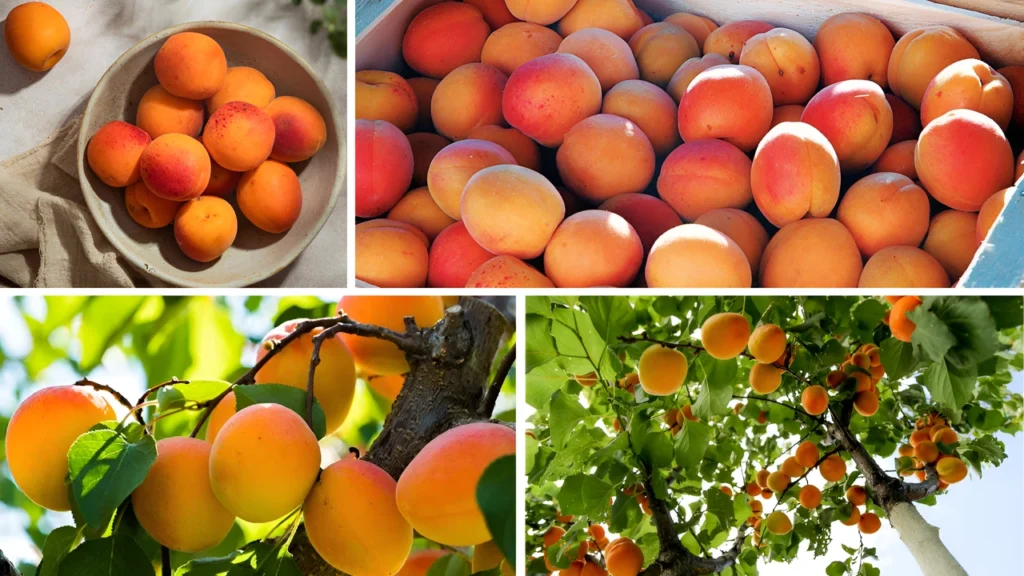
Apricots are a popular and nutritious fruit enjoyed by people worldwide. Their sweet, tangy flavor and versatile uses make them a favorite ingredient in everything from jams and desserts to salads and stews. While apricots are grown in several regions, there is one country that stands out above the rest when it comes to apricot production. So, which country leads the world in apricot production? The answer is Turkey. Turkey dominates the global apricot market, consistently producing the highest volume of apricots each year. The country’s favorable climate, vast agricultural land, and rich agricultural heritage contribute to this impressive output. In this article, we will explore why Turkey leads the world in apricot production, how it sustains such a large industry, and the global impact of this fruit on the economy.
Turkey: The World’s Leading Apricot Producer
When it comes to apricot production, Turkey is the undisputed leader. According to data from the Food and Agriculture Organization (FAO), Turkey produces around 70% of the world’s apricot supply. This staggering figure demonstrates Turkey’s unrivaled dominance in the apricot market. The fertile lands, especially in the regions of Malatya and surrounding areas, are perfect for growing apricots, with ideal climate conditions that favor their growth. The country’s agricultural sector has made significant investments in apricot cultivation, leading to state-of-the-art farming techniques and sustainable practices.
One of the main reasons Turkey is able to lead in apricot production is its climate. Apricots thrive in warm, dry climates with plenty of sunlight, which is typical in central and eastern Anatolia, where the country’s major apricot orchards are located. These regions also have well-drained, fertile soils that allow apricot trees to grow strong and produce high yields.
Moreover, the Turkish government has recognized the importance of apricot farming and has put policies in place to support it. These include subsidies for farmers, the establishment of research and development initiatives, and the promotion of apricot exports. This support has allowed Turkish farmers to maintain high levels of production and innovation in the apricot industry.
The Role of Malatya in Apricot Production
Malatya, a city in eastern Turkey, is known as the apricot capital of the world. This region is where the majority of Turkey’s apricots are grown, and it is responsible for over 80% of the country’s apricot production. Malatya’s warm, dry climate and fertile soil make it an ideal location for cultivating apricots. The region has been growing apricots for centuries, and its farmers have passed down knowledge and expertise in apricot cultivation.
The apricot industry in Malatya is a vital part of the local economy. The city’s apricot production supports thousands of families and creates numerous jobs in agriculture, packaging, and distribution. Farmers in Malatya produce both fresh apricots and dried apricots, which are popular globally due to their quality and flavor. The high-quality dried apricots from Malatya are exported to various countries, making the region an essential player in the global apricot market.
Malatya’s apricot industry is well-organized, with cooperative associations that provide support to local farmers in terms of resources, training, and marketing. These cooperatives also help farmers access better prices and improve the quality of their crops.

How Turkey’s Climate Supports Apricot Growth
Turkey’s climate is one of the main reasons why it is the world leader in apricot production. Apricots grow best in warm, dry conditions with long sunny days and cool nights. The Anatolian region of Turkey, where Malatya and other apricot-growing areas are located, has a continental climate that provides ideal conditions for apricot trees to flourish.
The climate in Turkey is characterized by hot summers and mild winters, which is perfect for apricot cultivation. The hot summer temperatures allow the apricots to ripen fully, while the cooler nights help preserve the fruit’s flavor and sweetness. Additionally, the region’s low humidity levels reduce the risk of fungal diseases that can affect apricot trees.
Another key factor is the long growing season, which allows farmers to produce high-quality apricots. The length of the growing season in Turkey is typically between 5 and 6 months, depending on the region, and this extended period of warmth gives apricot trees enough time to produce large, juicy fruits.
Economic Impact of Apricot Production in Turkey
Apricot production is a major contributor to the Turkish economy. Not only does it provide direct income for farmers, but it also creates jobs in related industries such as packaging, transportation, and export. Turkey’s apricot exports are a significant part of its agricultural trade, with dried apricots being especially popular in international markets.
The economic impact of apricot production extends beyond Malatya. In addition to the farmers who grow apricots, many businesses in Turkey rely on the apricot industry for their livelihoods. For example, Turkish apricot processors produce a wide range of products such as canned apricots, apricot juice, and apricot jams. These products are sold both domestically and abroad, further strengthening Turkey’s position in the global apricot market.
Turkey’s apricot industry also benefits from strong government support, which helps maintain the country’s competitive advantage. The Turkish government has implemented various policies to support apricot farmers, including subsidies, tax breaks, and access to international markets. The country also invests in research and development to improve apricot varieties, enhance production techniques, and reduce the environmental impact of farming.
Apricot Exports: How Turkey Dominates the Global Market
Turkey’s apricot exports are one of the key drivers of its economic success in the apricot industry. The country exports apricots to more than 100 countries, making it the world’s leading exporter of apricots. The majority of Turkey’s apricot exports are dried apricots, which are in high demand due to their quality, taste, and shelf-life. Dried apricots from Turkey are often used in cooking, baking, and snacking, and they are popular in both Western and Middle Eastern cuisines.
Turkey’s dried apricots are considered the best in the world due to their unique flavor and texture. The country has developed a reputation for producing apricots that are plump, sweet, and rich in flavor. This reputation has helped Turkish apricot exporters secure long-term relationships with buyers in international markets.
In addition to dried apricots, Turkey also exports fresh apricots, although these exports make up a smaller portion of the overall apricot trade. Fresh Turkish apricots are often sold in European and Middle Eastern markets, where they are prized for their sweetness and juiciness.
The Global Impact of Apricot Production
The global demand for apricots has been steadily increasing, and Turkey’s role as the leading producer and exporter has helped meet this demand. As apricots are widely used in various food products, including jams, juices, and baked goods, Turkey’s apricot production plays a crucial role in the global food industry. The high-quality apricots produced in Turkey have made the country an essential supplier to international markets.
Moreover, Turkey’s apricot production supports the livelihoods of millions of people worldwide, both directly and indirectly. From the farmers in Turkey who grow the fruit to the companies that process and distribute apricots, many people rely on the apricot industry for their income. The global apricot trade also creates opportunities for other countries involved in the supply chain, such as those that import Turkish apricots and sell them in their local markets.
Conclusion: The Unmatched Dominance of Turkey in Apricot Production
In conclusion, Turkey stands as the clear leader in global apricot production, consistently producing more apricots than any other country. With its favorable climate, rich agricultural heritage, and strategic support for apricot farming, Turkey has built an apricot industry that dominates the world market. The country’s success in apricot production has not only boosted its economy but also helped meet the growing global demand for this delicious and versatile fruit. Whether fresh or dried, Turkish apricots are highly regarded for their quality and flavor, making Turkey the undisputed apricot powerhouse on the global stage.
Table: Top Apricot-Producing Countries in 2023
| Rank | Country | Apricot Production (Metric Tons) | Share of Global Production (%) |
|---|---|---|---|
| 1 | Turkey | 700,000 | 70% |
| 2 | Iran | 200,000 | 20% |
| 3 | Uzbekistan | 40,000 | 4% |
| 4 | Algeria | 30,000 | 3% |
| 5 | Morocco | 10,000 | 1% |
| 6 | Spain | 5,000 | 0.5% |
| 7 | Italy | 4,000 | 0.5% |
Additional Factors Contributing to Turkey’s Apricot Dominance
- Advanced Agricultural Techniques: Turkey’s apricot farmers use modern farming practices, including irrigation systems and pest management strategies, to ensure high-quality yields.
- Research and Innovation: Turkish agricultural research institutions are continually working on improving apricot varieties, making them more resistant to diseases and better suited for different climates.
- Export Partnerships: Turkey has built strong trade relations with key markets such as the European Union, the United States, and the Middle East, ensuring continued demand for Turkish apricots.