Join on WhatsApp
Get the latest updates directly on WhatsApp – motivation, news & more!
 Join On WhatsApp
If you’re just starting your journey into the world of air plants, also known as Tillandsias, you’re in for a fascinating and low-maintenance indoor gardening experience. This complete beginner’s guide to air plant care will walk you through everything you need to know—from choosing your first Tillandsia to ensuring it thrives both indoors and out. Air plants are unlike traditional houseplants; they don’t require soil, making them perfect for small spaces, creative displays, and anyone looking for a plant with a unique twist. Whether you’re keeping them on a windowsill or hanging them on your patio, proper air plant care ensures your Tillandsia stays healthy and beautiful all year round.
What Makes Air Plant Care Unique for Beginners?
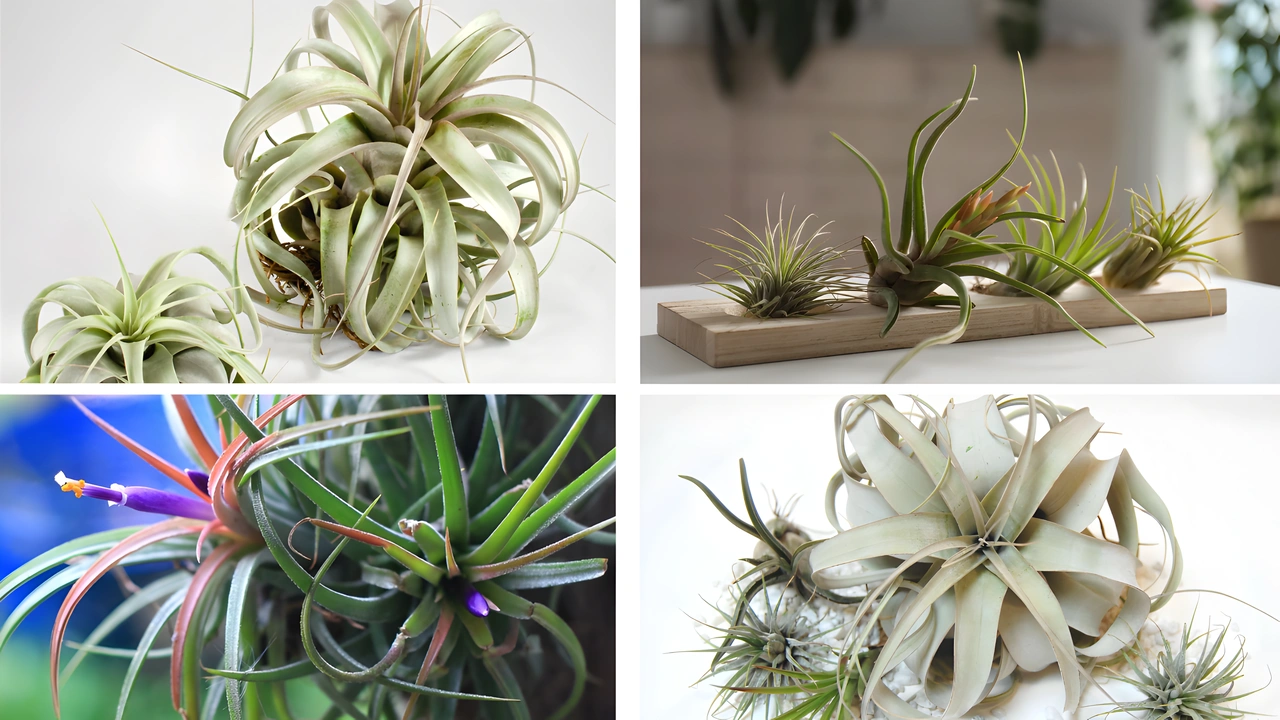
Understanding air plant care starts with recognizing what makes Tillandsias different from other indoor plants. Air plants are epiphytes, which means they absorb moisture and nutrients from the air through their specialized leaves. As a beginner, this feature alone simplifies many aspects of traditional plant care—you don’t need pots, soil, or drainage trays. In this complete beginner’s guide to air plant care, we focus on the key habits that will help your plants thrive indoors and out, such as proper hydration, light exposure, and air circulation. By learning what makes them tick, you’ll quickly master the basics of air plant care.
Choosing the Right Air Plants: A Beginner’s Starting Point
As a beginner, selecting the right air plants is the first and most exciting step in this journey. The complete beginner’s guide to air plant care recommends starting with hardy varieties like Tillandsia ionantha, Tillandsia caput-medusae, and Tillandsia xerographica. These species are known for their tolerance to a range of indoor and outdoor environments and are very forgiving to beginners. When selecting your Tillandsias, always inspect the color, firmness, and leaf texture. A healthy air plant will have vibrant leaves and no brown or black spots. By choosing wisely from the start, your air plant care routine will be much easier to manage indoors and out.
Lighting Needs: Helping Your Tillandsia Thrive Indoors and Out
One of the most important factors in air plant care is providing the right amount of light. This guide to air plant care for beginners emphasizes the difference between indoor and outdoor light conditions. Indoors, Tillandsias do best with bright, indirect light. A south- or east-facing window is ideal, as direct sunlight can cause leaf burn. Outdoors, air plants enjoy filtered light or partial shade, especially in hot climates. If you’re displaying your air plants outside, be sure they are protected from harsh midday sun. By adjusting the lighting to suit your plant’s location, you’ll help your Tillandsia thrive indoors and out with ease.
Watering Techniques for Beginner-Friendly Air Plant Care
Contrary to their name, air plants still need regular watering to stay healthy. One of the most common mistakes beginners make in air plant care is under- or over-watering. This complete guide to air plant care recommends soaking your Tillandsia in room-temperature water for 20–30 minutes once a week. After soaking, always shake off excess water and allow the plant to dry completely within 4 hours to prevent rot. In dry or hot environments, misting between soakings can help. For those keeping their plants outdoors, rainwater can be a natural bonus—but be mindful of humidity and temperature shifts. Proper watering is the heart of air plant care for beginners, no matter the location.

Air Circulation and Humidity: Keeping Your Tillandsia Happy
Good air circulation is crucial in air plant care and is especially important for helping Tillandsias thrive both indoors and out. After watering, your plant must dry thoroughly, or it could develop rot. Beginners should place air plants in areas with gentle airflow—near a fan, open window, or vent is ideal indoors. Outdoors, natural breezes usually do the trick. As for humidity, air plants enjoy moderate levels (between 40–60%), which makes bathrooms and kitchens great indoor homes. However, if you’re growing your air plants outdoors in a dry climate, consider increasing humidity by misting regularly. Keeping the balance between air and moisture is a key point in every beginner’s guide to air plant care.
Displaying Your Air Plants: Creative and Practical Ideas
One of the joys of air plant care is the creative freedom it offers. Because Tillandsias don’t need soil, you can display them in glass globes, driftwood, shells, or mounted on walls. This makes them ideal for small apartments or minimalist décor. In this complete beginner’s guide to air plant care, we suggest keeping form and function in mind. Make sure your display doesn’t trap moisture or block air circulation. Outdoors, you can secure air plants to trees or hang them under shaded pergolas for a natural look. Your creativity, combined with smart placement, will ensure your Tillandsia thrives indoors and out.
Fertilizing and Long-Term Air Plant Care for Beginners
Air plants don’t need frequent feeding, but occasional fertilizing can promote blooming and pup production (baby plants). Use a bromeliad or air plant-specific fertilizer once a month during spring and summer. Dilute it to half-strength and add it to your soaking water. This extra boost helps Tillandsias stay strong and vibrant, especially for those kept indoors where nutrients from nature are limited. For beginners, fertilizing can seem optional, but in this complete guide to air plant care, we highlight it as a helpful step for long-term plant health. With consistent care, your Tillandsia will not only thrive—it will multiply.
Table: Quick Reference for Beginner Air Plant Care
Here’s a simple table summarizing the key points from this complete beginner’s guide to air plant care:
| Air Plant Care Element | Indoors | Outdoors |
|---|---|---|
| Lighting | Bright, indirect light | Filtered light or partial shade |
| Watering | Soak weekly + mist as needed | Rainwater + soak in dry spells |
| Air Circulation | Fan or open window | Natural breeze |
| Humidity | 40–60% (misting may help) | Mist if in dry climate |
| Fertilizer | Monthly in warm seasons | Monthly, especially in non-humid zones |
| Display Ideas | Glass globes, terrariums, shells | Mounted on trees, hanging from wood |
This table is a quick snapshot from our complete beginner’s guide to air plant care, helping you apply each tip whether your Tillandsia lives indoors or out.
Seasonal Tips to Help Your Tillandsia Thrive Year-Round
Caring for air plants across seasons takes just a bit of planning. In colder months, if you’re keeping your Tillandsias outdoors, make sure to bring them in if temperatures dip below 45°F (7°C), as they’re sensitive to frost. Indoors, heaters can dry the air, so consider misting more frequently in winter. During summer, increased heat means your air plant may need more frequent soaking, especially if kept outside. These seasonal shifts are part of what every beginner should learn in this complete guide to air plant care—adjusting your routine slightly ensures your Tillandsia thrives indoors and out, no matter the time of year.
Common Beginner Mistakes in Air Plant Care (and How to Avoid Them)
Every complete beginner’s guide to air plant care should warn about a few common pitfalls. First, avoid overwatering—wet leaves that stay moist too long are a fast track to rot. Always let your Tillandsia dry fully. Second, avoid dark or closed-off spaces. Remember, air circulation and light are essential. Third, never use tap water with high chlorine content; instead, use filtered or rainwater. And finally, don’t glue your plants into displays—they need to be removable for soaking. By sidestepping these simple mistakes, you’ll be well on your way to mastering air plant care and helping your Tillandsia thrive indoors and out.
The Complete Beginner’s Guide to Air Plant Care: Final Thoughts
To sum it all up, this complete beginner’s guide to air plant care offers you the knowledge and confidence to raise happy, healthy Tillandsias in any setting. From selecting beginner-friendly varieties to mastering the balance of light, water, and air, caring for air plants is truly a rewarding experience. Their soil-free lifestyle and versatility make them a perfect fit for creative displays, small spaces, and both indoor and outdoor environments. With just a bit of attention and the easy tips shared in this guide, your Tillandsia will not only survive but truly thrive indoors and out—bringing a unique, natural touch to any space you call home.