Join on WhatsApp
Get the latest updates directly on WhatsApp – motivation, news & more!
 Join On WhatsApp
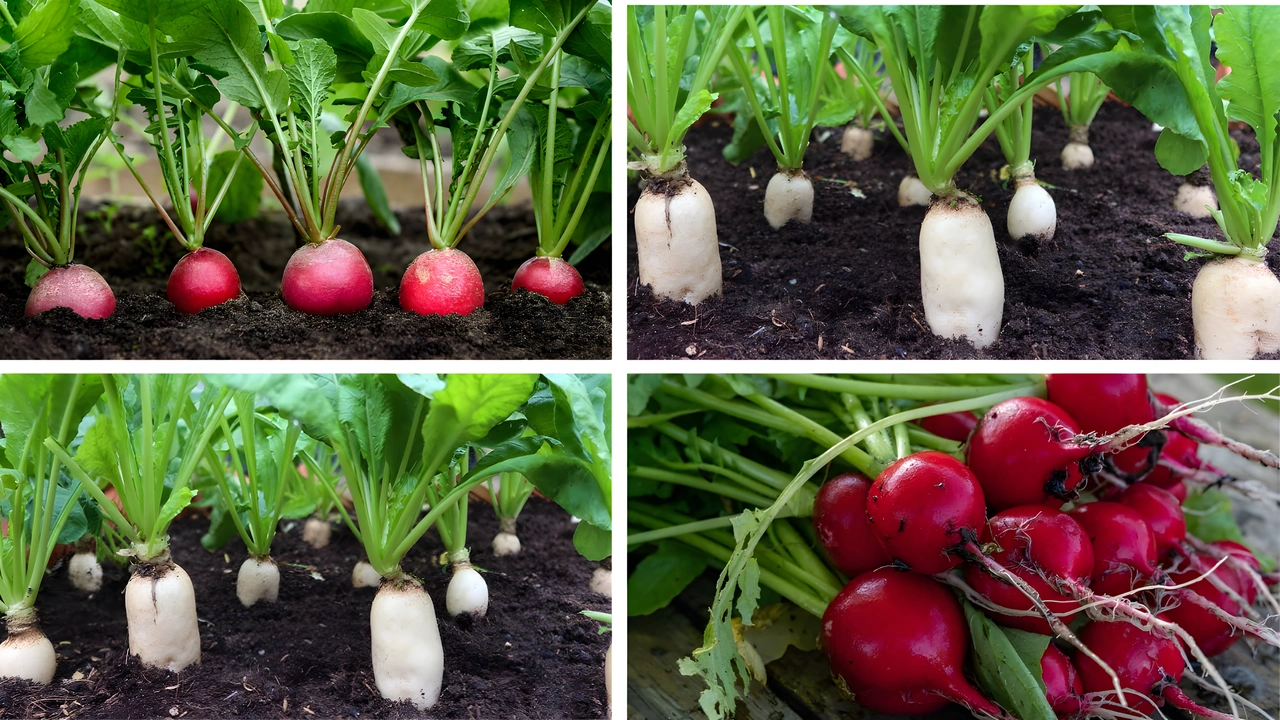
Radishes are one of the easiest and fastest vegetables to grow, making them an ideal choice for gardeners of all skill levels. Whether you’re planting them in a raised bed, container, or directly in the ground, knowing how to grow and care for radishes naturally can ensure you get crisp, flavorful roots every time. This guide offers a complete, organic approach to planting, watering, harvesting, and keeping radish roots healthy in every season. From seed to storage, every step in this natural gardening process matters for the overall health and success of your radish crop.
Understanding the Basics: Why Grow and Care for Radishes Naturally?
Before diving into how to grow and care for radishes naturally, it’s important to understand why a natural approach is beneficial. Radishes are fast-growing, which means they absorb nutrients and water quickly. Using natural methods ensures that no harmful chemicals end up in your soil, water, or food.
Natural care involves:
- Organic soil preparation
- Chemical-free pest control
- Seasonal maintenance
- Companion planting
- Compost-based fertilization
Choosing natural gardening also promotes biodiversity, healthier soil, and better-tasting radishes. Ultimately, growing and caring for radishes naturally supports both your health and the environment.
Best Varieties for Growing and Caring for Radishes Naturally
To fully embrace a natural gardening approach, it’s helpful to choose radish varieties that are well-suited to your climate and soil type. This will make your job easier and improve the likelihood of a successful, chemical-free harvest.
| Variety Name | Type | Growing Season | Days to Maturity | Notes for Natural Growing |
|---|---|---|---|---|
| Cherry Belle | Spring | Spring/Fall | 22–28 days | Very fast and reliable |
| French Breakfast | Spring | Spring/Fall | 25–30 days | Mild flavor, ideal for beds |
| Daikon | Winter | Fall/Winter | 60–70 days | Needs deep, loose soil |
| Watermelon | Specialty | Late Summer | 60–65 days | Sweet with striking color |
Choose varieties that thrive in your region and use local heirloom or untreated seeds to grow and care for radishes naturally.
Preparing the Soil to Grow and Care for Radishes Naturally
Soil preparation is the foundation of any successful gardening effort. To truly grow and care for radishes naturally, your soil must be light, well-draining, and rich in organic matter.
Steps to Naturally Prepare Soil for Radishes:
- Loosen the Soil
Radishes are root crops, so compacted soil leads to poor formation. Use a broadfork or garden fork to aerate the top 8–10 inches. - Add Organic Matter
Mix in compost, aged manure, or leaf mold to boost nutrient levels without synthetic fertilizers. - Adjust pH if Needed
Radishes prefer a pH of 6.0 to 7.0. Add wood ash or lime naturally if soil is too acidic. - Avoid High Nitrogen
Too much nitrogen promotes leafy growth at the expense of roots. Stick to balanced, compost-based fertilizers.
By investing time in organic soil prep, you set yourself up for success and ensure you’re following through with how to grow and care for radishes naturally from the ground up—literally.
Planting Techniques to Grow and Care for Radishes Naturally
Planting radishes correctly is essential to ensure they develop quickly and healthily. Since they mature in just a few weeks, even small mistakes can reduce your harvest.
Key Tips for Planting Radishes Naturally:
- Sow Directly:
Radishes dislike transplanting. Sow seeds directly where they will grow. - Spacing:
Plant seeds ½ inch deep, spaced 1 inch apart in rows at least 6 inches apart. Thin seedlings to 2 inches apart to allow space for roots to develop. - Succession Planting:
Sow a new batch every 10–14 days to enjoy a continuous supply. - Companion Planting:
Grow radishes near carrots, lettuce, and peas. Avoid planting near brassicas, which can attract root maggots.
By following these methods, you ensure that your approach to planting and growing radishes naturally is both efficient and productive.
Watering Tips to Keep Radish Roots Healthy in Every Season
Watering is one of the most critical parts of learning how to grow and care for radishes naturally. Inconsistent watering leads to cracked roots or spicy, woody textures. Here’s how to do it right:
- Consistency is Key
Radishes need steady moisture. Water them regularly to keep the soil moist but not waterlogged. - Water Early in the Day
Morning watering reduces the risk of fungal diseases and ensures plants absorb moisture before the heat. - Use Mulch
A light layer of straw or shredded leaves helps retain moisture and suppress weeds naturally. - Adjust by Season
During hot months, increase watering frequency. In cooler months, reduce watering slightly to prevent rot.
Correct watering keeps radish roots tender, crisp, and healthy throughout the year—an essential part of keeping radish roots healthy in every season.
Harvesting Radishes Naturally and at the Right Time
Radishes grow quickly, but harvesting at the right time is key to flavor and texture. When you’re committed to learning how to grow and care for radishes naturally, knowing when and how to harvest is part of the journey.
- Harvest When Ready
Most radishes are ready in 22–35 days. Once the root reaches the size of a large marble, it’s time. - Check Often
Radishes left in the ground too long become woody or spicy. - Harvest by Hand
Gently pull radishes straight from the soil. Water the area first if the soil is compact. - Use the Greens
Radish leaves are edible and nutrient-rich. Add them to salads, pestos, or soups.
By harvesting at the ideal time, you’re not only maximizing taste but also practicing what it means to grow and care for radishes naturally from seed to plate.
Seasonal Care to Keep Radish Roots Healthy in Every Season
Radishes can be grown in spring, fall, and even winter (depending on your climate). Tailoring your care to each season is key to keeping radish roots healthy in every season.
| Season | Key Tasks |
|---|---|
| Spring | Start early sowing, prepare well-drained beds |
| Summer | Provide shade, water consistently, harvest quickly |
| Fall | Sow late crops, protect from early frost |
| Winter | Grow in cold frames or under row covers if in mild zones |
Adapting your techniques ensures success all year round. That’s the essence of growing and caring for radishes naturally, even in changing conditions.
Common Pests and Natural Ways to Keep Radish Roots Healthy
Radishes can be affected by pests, especially in warm, wet conditions. However, natural solutions can effectively manage these problems without chemicals.
Typical Pests and Organic Controls:
- Flea Beetles:
Small holes in leaves are a tell-tale sign. Use row covers and diatomaceous earth. - Root Maggots:
These pests damage the root system. Practice crop rotation and avoid planting in the same spot every season. - Aphids:
Spray with a mix of water and neem oil or encourage beneficial insects like ladybugs.
Maintaining natural pest control is part of the holistic approach to keeping radish roots healthy in every season.
Final Thoughts on How to Grow and Care for Radishes Naturally
Radishes are a rewarding crop for gardeners who value quick results and fresh, nutritious food. When you understand how to grow and care for radishes naturally, you’re not only cultivating a healthy harvest but also nurturing your soil, supporting local ecosystems, and reducing your reliance on synthetic chemicals. This complete guide has walked you through the key practices of planting, watering, harvesting, and keeping radish roots healthy in every season, ensuring that your approach to radish gardening is effective, sustainable, and in harmony with nature.
By following these natural techniques throughout the year, you’ll enjoy crisp, flavorful radishes that are good for you, your garden, and the planet.