Join on WhatsApp
Get the latest updates directly on WhatsApp – motivation, news & more!
 Join On WhatsApp
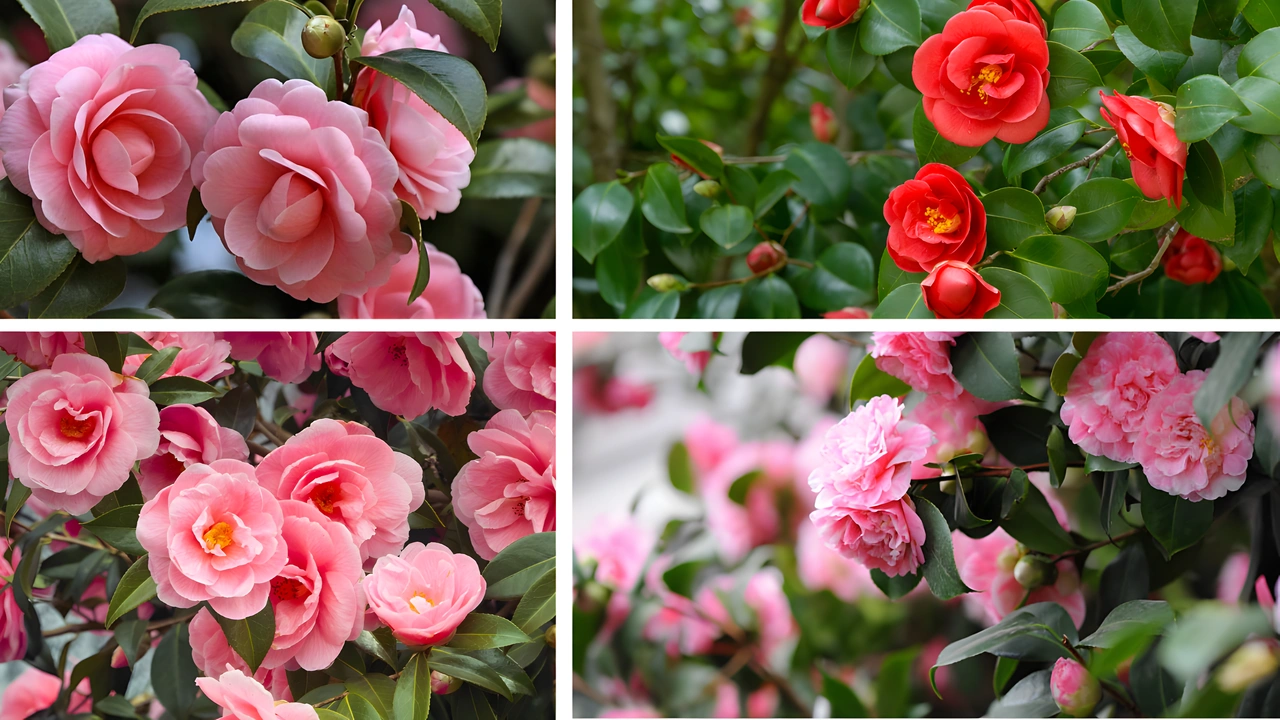
Camellias are elegant evergreen shrubs known for their glossy foliage and exquisitely shaped blooms that range from snowy whites to deep reds. If you’re looking to bring timeless beauty into your garden, learning how to grow and care for camellias naturally is essential. This guide offers a complete walkthrough—from planting and soil prep to pruning and watering techniques—so you can keep your camellia flowers healthy year-round without relying on harsh chemicals or synthetic fertilizers. Whether you’re a beginner or a seasoned gardener, the principles of natural camellia care will help you create a thriving, vibrant, and sustainable floral sanctuary.
Understanding Camellias: Varieties and Natural Preferences
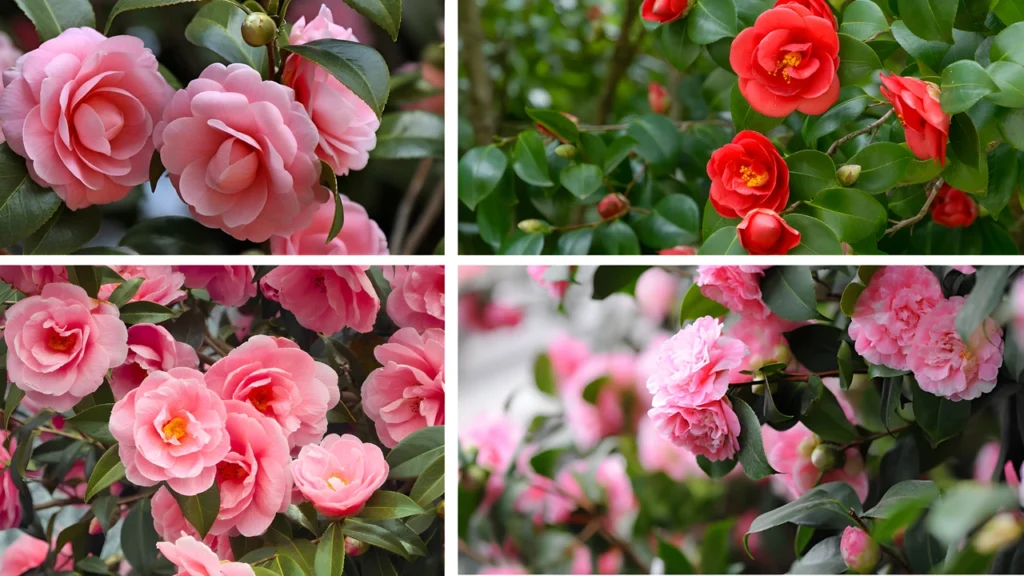
Before you can successfully grow and care for camellias naturally, it’s important to understand the varieties and environmental needs of these stunning shrubs. The most commonly cultivated camellia species include:
- Camellia japonica – Classic large flowers, ideal for partial shade.
- Camellia sasanqua – Smaller blooms, more sun-tolerant, and earlier blooming.
- Camellia reticulata – Large, showy flowers with a more open growth habit.
Camellias thrive in acidic, well-draining soil rich in organic matter. Naturally, they prefer woodland conditions with filtered light, cool roots, and a consistent supply of moisture. Mimicking these native conditions is the key to growing and caring for camellias naturally.
How to Plant Camellias for Long-Term Natural Growth
Proper planting is foundational to growing camellias naturally. Whether you’re starting with a container-grown camellia or transplanting a young shrub, follow these steps for long-term success:
- Choose the Right Location
Camellias love dappled sunlight and protection from harsh winds. Avoid planting in full afternoon sun or deep shade. - Prepare the Soil Naturally
Use composted pine bark, leaf mold, or peat moss to create the slightly acidic, moisture-retentive, and airy soil they crave. - Plant at the Right Depth
Set the camellia so that the top of the root ball is just above soil level. Avoid planting too deeply, which can suffocate the roots. - Water and Mulch Wisely
After planting, water deeply and apply 2–3 inches of organic mulch such as pine straw. This keeps the soil moist and cool, imitating natural woodland conditions.
By planting thoughtfully, you ensure that your efforts to grow and care for camellias naturally start off on the right foot.
Watering Camellias the Natural Way
Watering is an essential part of how to care for camellias naturally. These plants don’t like to dry out completely, nor do they appreciate soggy soil. Here’s how to water camellias organically and effectively:
- Deep Watering, Infrequently
Water thoroughly but only when the top few inches of soil begin to dry. This encourages deep root growth. - Morning is Best
Watering in the morning helps prevent fungal issues and gives plants time to absorb moisture before the heat of the day. - Rainwater Preferred
Camellias prefer slightly acidic water. Collecting rainwater in barrels is a sustainable and natural way to meet their needs.
By following these practices, you align with nature and support healthy growth as you grow and care for camellias naturally.
Natural Fertilizing Tips for Healthy Camellia Flowers
Fertilization plays a key role in how to keep camellia flowers healthy year-round, especially when done without synthetic inputs. Natural fertilizers not only enrich the soil but also improve microbial life and plant immunity.
- Best Time to Fertilize Naturally
Feed camellias in early spring and again in midsummer, after flowering but before new buds set. - Compost and Leaf Mold
Topdress with finished compost or decomposed leaf mold around the base of the plant. - Organic Acidic Fertilizers
Use products like cottonseed meal, blood meal, or fish emulsion to maintain the desired soil pH and boost flower production.
Avoid over-fertilizing, as camellias grow slowly. Supporting their natural growth rate is key when you aim to grow and care for camellias naturally.
Pruning Camellias for Natural Beauty and Structure
Pruning is not just about shape—it’s essential for maintaining health, airflow, and flower quality. Done properly, it’s a vital part of growing and caring for camellias naturally.
- When to Prune
Prune immediately after blooming to avoid cutting off next year’s flower buds. - Remove Dead or Crossing Branches
This improves air circulation and reduces disease risk. - Encourage a Strong Framework
Light shaping enhances natural beauty and directs growth without stress.
Use clean, sharp tools and avoid cutting too aggressively. A little thoughtful pruning goes a long way toward helping you keep camellia flowers healthy year-round.
Seasonal Care to Keep Camellia Flowers Healthy Year-Round
Caring for camellias is a year-round commitment. Each season requires attention if you’re serious about learning how to grow and care for camellias naturally.
| Season | Camellia Care Focus |
|---|---|
| Spring | Fertilize, mulch, prune after flowering |
| Summer | Maintain watering, check for pests, mulch again |
| Autumn | Remove dead leaves, prep for blooming |
| Winter | Protect from frost, enjoy the blooms |
Adapting your care routine to the plant’s natural rhythm helps you keep camellia flowers healthy year-round with minimal intervention.
Common Pests and Natural Solutions for Camellias
Even in a naturally maintained garden, pests may appear. Learning how to prevent and treat them naturally is part of knowing how to grow and care for camellias naturally.
- Tea Scale – Tiny white or brown insects on leaf undersides
Natural Solution: Spray neem oil or horticultural soap. - Aphids – Small green or black insects near flower buds
Natural Solution: Encourage ladybugs, or use a strong stream of water. - Root Rot – Caused by poor drainage
Natural Solution: Improve soil structure and avoid overwatering.
Regular inspections and gentle interventions keep your plants resilient and your goal to keep camellia flowers healthy year-round well on track.
Propagating Camellias Naturally: A Long-Term Investment
Propagation is a beautiful way to share your plants and extend your camellia collection. Naturally propagating camellias from cuttings is both satisfying and sustainable.
- Select a Healthy Cutting
Take semi-hardwood cuttings in late summer. - Use Natural Rooting Mediums
Mix perlite and composted bark for a loose, well-draining base. - Keep Humidity High
Place in a shaded area with a plastic dome or humidity tent.
With time and care, your new plants will flourish, helping you to grow and care for camellias naturally for generations to come.
Final Thoughts on How to Grow and Care for Camellias Naturally
Learning how to grow and care for camellias naturally means working with the rhythms of nature, not against them. From choosing the right location and enriching the soil organically, to pruning wisely and watering with intention, every step contributes to healthier, more resilient plants. Camellias reward patience and attention with unmatched beauty that lasts year-round. By planting thoughtfully, feeding with natural fertilizers, managing pests without chemicals, and following the seasonal rhythms of the garden, you ensure that your camellias not only survive but thrive. Whether you’re cultivating a single specimen or a full camellia hedge, this guide helps you create a sustainable garden where camellia flowers remain vibrant, strong, and healthy throughout every season of the year.