Join on WhatsApp
Get the latest updates directly on WhatsApp – motivation, news & more!
 Join On WhatsApp
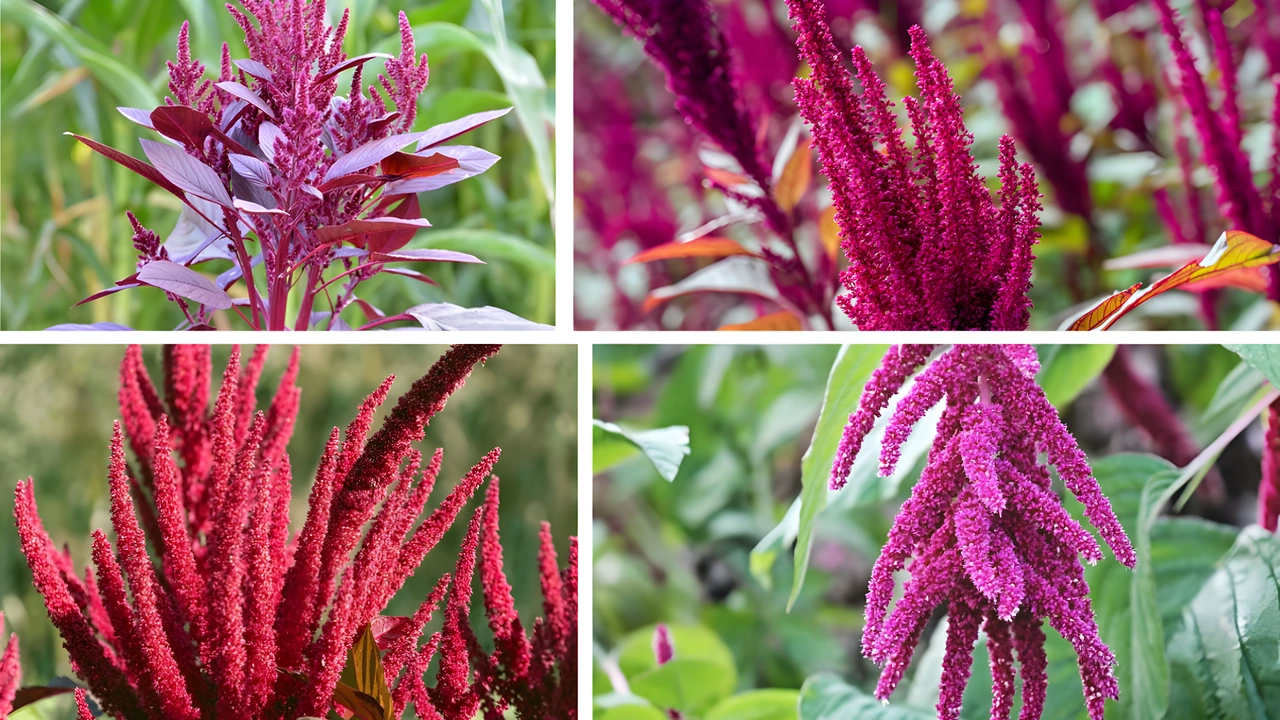
Amaranth is one of the most versatile and vibrant additions you can make to your garden. Known for its striking foliage and flowers, as well as its nutrient-dense grains and leaves, amaranth is truly a colorful, nutrient-rich superplant. If you’re wondering how to grow and care for amaranth, this complete guide will walk you through everything you need to know—from selecting the right variety to planting, harvesting, and ongoing care. Whether you’re looking to enhance your garden’s aesthetic or boost your nutritional intake, amaranth offers exceptional value. Best of all, this hardy plant thrives in many climates and requires minimal maintenance when established properly.
Choosing the Right Variety of Amaranth to Grow and Care For
Before you even begin planting, the first step in understanding how to grow and care for amaranth is selecting the right variety. Amaranth comes in several types, with some varieties grown for their edible grains, others for their nutritious leaves, and still others simply for their ornamental beauty.
Popular varieties include:
- Amaranthus caudatus (Love-Lies-Bleeding): Grown primarily for its showy red tassels and seeds.
- Amaranthus cruentus: Excellent grain-producing variety.
- Amaranthus tricolor: Known for its tri-colored edible leaves and stunning ornamental appeal.
When choosing a type, consider your climate, purpose (edible vs ornamental), and garden space. This step is crucial for long-term success in planting, harvesting, and maintaining your colorful, nutrient-rich superplant.
Soil Preparation and Location: Starting to Grow and Care for Amaranth
To effectively grow and care for amaranth, you need to begin with the right foundation—soil and location. Amaranth prefers well-drained, loamy soil that is rich in organic matter. The soil pH should ideally be between 6.0 and 7.5.
Here are the key considerations:
- Sunlight: Full sun exposure is essential. Amaranth thrives with at least 6–8 hours of direct sunlight.
- Soil drainage: Avoid water-logged soil. Poor drainage can lead to root rot.
- Composting: Enrich your soil with compost or aged manure a few weeks before planting.
Creating optimal growing conditions ensures your plant develops strong roots and vibrant foliage—an important step in growing and caring for amaranth the right way.
Planting Tips: How to Grow and Care for Amaranth from Seed
Amaranth is generally grown from seed, and planting it correctly is key to successful cultivation. Here’s how to plant it step-by-step:
- When to Plant: Wait until after the last frost when the soil has warmed to at least 65°F (18°C).
- How to Plant: Sow seeds directly into the soil ¼ inch deep and about 10–12 inches apart.
- Watering: Keep the soil evenly moist until the seeds germinate—usually within 7 to 14 days.
- Thinning: Once seedlings are 2–3 inches tall, thin them to 18 inches apart to allow ample space for growth.
If you’re wondering how to grow and care for amaranth efficiently, starting with proper planting techniques sets the stage for a bountiful harvest and low-maintenance care.
Caring for Amaranth: A Guide to Maintaining This Colorful, Nutrient-Rich Superplant
Once your seeds have sprouted and your plants are growing, ongoing care becomes the focus. Fortunately, amaranth is quite hardy and low-maintenance, but consistent attention helps maximize its health and yield.
Key Care Tips:
- Watering: Water deeply but infrequently once established. Overwatering can lead to fungal diseases.
- Weeding: Keep the area around the base of the plant weed-free to reduce competition.
- Mulching: Use organic mulch to retain soil moisture and prevent weed growth.
- Fertilizing: Amaranth generally doesn’t need much feeding, but an occasional side-dressing with compost can boost productivity.
- Pest & Disease Control: Look out for leaf miners, aphids, and flea beetles. Use neem oil or insecticidal soap if needed.
Knowing how to grow and care for amaranth means understanding its rhythms and giving it the right balance of neglect and attention.
Harvesting Amaranth: How and When to Harvest This Nutrient-Rich Superplant
Harvesting amaranth can be done for both leaves and seeds. Timing and technique matter when you’re learning how to grow and care for amaranth to make full use of its edible parts.
For Leaves:
- When to Harvest: Begin harvesting young, tender leaves when the plant is about 6–8 inches tall.
- How to Harvest: Pinch or cut the outer leaves, allowing the central growth to continue.
For Seeds:
- When to Harvest: Seeds are ready when the flowers dry out and start to shed.
- How to Harvest: Cut the flower heads, let them dry in a paper bag for a few days, then shake or rub them to release the seeds.
Dry the seeds thoroughly before storage to prevent mold. This dual-use plant ensures your efforts in growing and caring for amaranth are richly rewarded.
Amaranth in All Seasons: Maintaining This Superplant Year-Round
While amaranth is generally grown as an annual, understanding how to extend its benefits year-round is part of learning how to grow and care for amaranth more effectively.
- In Warm Climates: Continuous sowing every 2–3 weeks can provide an ongoing harvest.
- In Colder Climates: Amaranth can be started indoors 6–8 weeks before the last frost and transplanted after.
- Seed Saving: Store dried seeds in a cool, dry place to plant in the following season.
- Composting Dead Plants: After harvest, compost plant remains to return nutrients to the soil.
Sustainable gardening practices are essential to maintaining your colorful, nutrient-rich superplant through multiple seasons.
Common Challenges in Growing and Caring for Amaranth
Understanding the potential issues you may face while learning how to grow and care for amaranth helps you take proactive measures. Although it’s a hardy plant, amaranth isn’t completely immune to problems.
| Challenge | Cause | Prevention/Treatment |
|---|---|---|
| Leaf Discoloration | Nutrient Deficiency | Add compost or balanced fertilizer |
| Stunted Growth | Overcrowding or poor soil | Thin plants and improve soil quality |
| Pest Infestation | Aphids, beetles, caterpillars | Use neem oil or insecticidal soap |
| Wilting | Overwatering or root rot | Water only when the soil is dry |
| Seed Loss | Harvesting too late | Harvest seed heads promptly when dry |
Being prepared for these problems ensures success in planting, harvesting, and maintaining your nutrient-rich superplant throughout its life cycle.
Table: Key Facts on How to Grow and Care for Amaranth
| Step | Details |
|---|---|
| Best Soil Type | Loamy, well-drained, rich in organic matter |
| Sunlight Requirement | Full sun (6–8 hours/day) |
| Ideal Planting Time | After last frost, soil temperature above 65°F (18°C) |
| Spacing Between Plants | 10–18 inches |
| Watering Frequency | Moderate; deep watering once soil dries |
| Days to Maturity | 90–120 days for seeds, 30–50 days for leaves |
| Harvest Methods | Cut leaves or dry flower heads for seeds |
| Storage | Dry seeds/leaves completely and store in airtight containers |
| Lifespan | Annual (but self-seeds easily) |
| Pests and Diseases | Leaf miners, aphids, root rot |
Conclusion: Mastering How to Grow and Care for Amaranth for Beauty and Nutrition
Whether you’re drawn to its bold colors, its high-nutrient content, or its low-maintenance growing needs, learning how to grow and care for amaranth opens the door to a rewarding gardening experience. This colorful, nutrient-rich superplant adds visual drama to your garden while offering edible leaves and seeds packed with protein, fiber, and minerals. From careful planting and smart harvesting techniques to thoughtful maintenance year-round, every step plays a role in ensuring success. By following this complete guide, you’ll be equipped not only to cultivate amaranth but also to enjoy its full spectrum of benefits for seasons to come.