Join on WhatsApp
Get the latest updates directly on WhatsApp – motivation, news & more!
 Join On WhatsApp
Grapes are not just a delicious snack or a key ingredient for wines—they’re a rewarding fruit to grow. Whether you’re an experienced gardener or a beginner, understanding how to grow and care for grapevines is essential for success. Grapevines are hardy plants, but they do require attention and the right environment to thrive. This guide will walk you through everything you need to know about growing and caring for grapes, ensuring you get healthy vines, bountiful harvests, and a sustainable approach to grape cultivation.
Choosing the Right Grape Variety
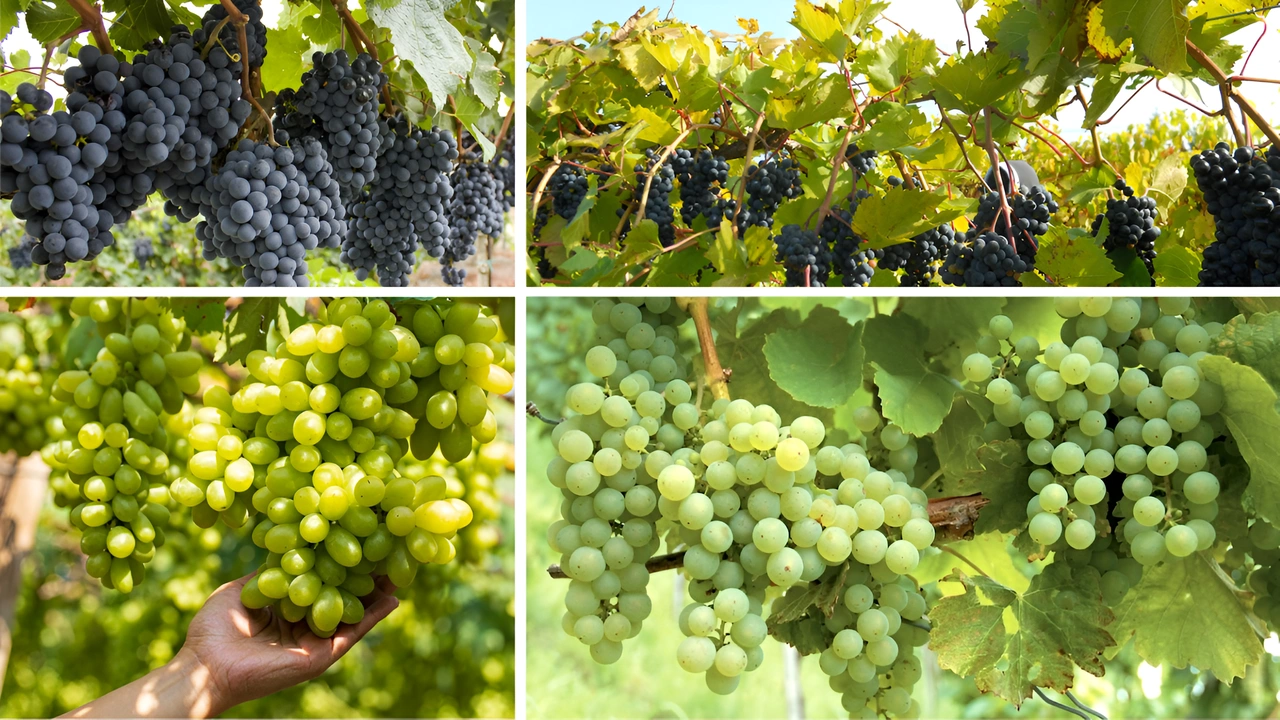
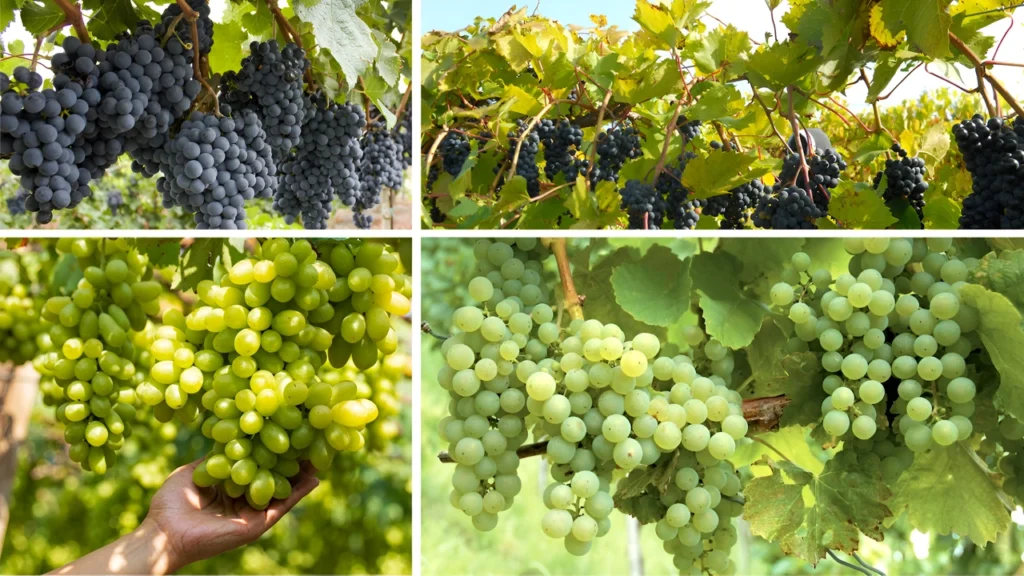
One of the first steps in growing grapes is selecting the right variety for your region. Grapevines are incredibly diverse, with varieties that grow better in specific climates and soils. There are two main types of grapes: European (Vitis vinifera) and American (Vitis labrusca). Each type has different requirements for temperature, humidity, and soil conditions.
European Grapes:
These are commonly used for wine production and require a warmer climate. Varieties like Chardonnay, Cabernet Sauvignon, and Pinot Noir are well-known but require long, hot summers to fully ripen.
American Grapes:
American varieties, like Concord and Niagara, are more tolerant of colder climates. These grapes are often used for juice, jams, or table grapes and are ideal for gardeners in regions with shorter growing seasons.
Selecting the Best Site for Your Grapevines
The location you choose for planting your grapevines plays a critical role in their growth. Grapevines require full sunlight to thrive, which is vital for photosynthesis and the production of sugars that help the plant grow. When deciding where to plant, consider the following factors:
- Sunlight: Grapevines need at least 6-8 hours of direct sunlight per day. Ensure your vineyard or garden bed is not shaded by tall trees or buildings.
- Soil Type: Grapes prefer well-drained, slightly acidic soil with a pH level between 5.5 and 7.0. Sandy loam or clay loam is ideal. Avoid heavy, waterlogged soils as they can lead to root rot.
- Slope: Grapevines thrive on slightly sloped land, which provides better air circulation and drainage. If you’re planting on a flat surface, ensure the soil drains well.
Soil Preparation for Grapevines
Once you’ve selected the perfect spot, preparing the soil is crucial for healthy vine growth. Follow these steps to ensure the soil is ready for planting:
- Test the Soil: Before planting, it’s a good idea to conduct a soil test to determine pH, nutrient levels, and drainage. This will help you amend the soil to the right conditions.
- Amend the Soil: Grapevines are sensitive to the soil’s nutrient balance. Add organic compost to enrich the soil and improve its structure. You may also need to add lime if the soil is too acidic or sulfur if it’s too alkaline.
- Dig a Hole: Dig holes about 12-18 inches deep and 18-24 inches wide. Space each vine about 6-8 feet apart to ensure ample airflow and reduce the risk of disease.
Planting Grapevines
Planting is an important step in growing and caring for grapes. The timing of your planting and the method you use will influence the success of your grapevines.
Timing:
The best time to plant grapes is in early spring, after the last frost has passed. This allows the vines to establish themselves before the heat of summer sets in.
Method:
- Bare-root vines: If you’re planting bare-root grapevines, soak the roots in water for several hours before planting.
- Potted vines: If you’re using potted grapevines, plant them at the same depth they were growing in their container.
After planting, water thoroughly and mulch around the base of the vine to retain moisture and keep weeds at bay.
Pruning and Training Grapevines for Healthy Growth
Pruning and training your grapevines is essential for strong growth, abundant fruit, and proper vine management. Grapevines naturally grow in a sprawling, uncontrolled manner, but careful pruning will help maintain a manageable shape and encourage healthy vine development.
When to Prune:
Prune grapevines during their dormant season, which is usually late winter or early spring. This allows the plant to direct its energy into new growth once the growing season begins.
How to Prune:
- Remove dead wood: Start by removing any dead or diseased wood.
- Cut back older canes: Grapevines fruit on one-year-old canes. Remove older canes from the previous year, leaving healthy, younger canes for the upcoming season.
- Form a framework: You can train your grapevine to grow on a trellis, fence, or wire system. Ensure the vine has support as it grows upward.
Watering and Fertilizing Grapevines
Proper watering and fertilizing are essential for the health and growth of your grapevines. Here are some tips to keep your vines hydrated and well-fed:
Watering:
Grapevines have deep roots that can access water deeper in the soil, but they still need consistent watering during dry spells. Water deeply and less frequently to encourage root growth. During the growing season, water at least once a week, but reduce watering once the grapes begin to ripen to prevent dilution of flavor.
Fertilizing:
Fertilizing helps to replenish the nutrients your vines use to produce grapes. Use a balanced, slow-release fertilizer, ideally one formulated for grapevines. Apply the fertilizer in early spring before growth begins and again in mid-summer if necessary. Avoid over-fertilizing, as this can lead to excessive foliage growth and fewer grapes.
Managing Pests and Diseases in Grapevines
While grapes are generally hardy plants, they can be susceptible to certain pests and diseases. Effective pest and disease management is crucial for a healthy harvest.
Common Pests:
- Grape phylloxera: A root-feeding insect that can cause significant damage. Plant resistant rootstocks to mitigate this issue.
- Japanese beetles: These insects can eat the leaves and fruit of grapevines. Use insecticidal soap or introduce natural predators like nematodes.
- Spider mites: These tiny pests can cause grapevine leaves to yellow and drop prematurely. Use insecticidal soap or neem oil to control their population.
Common Diseases:
- Powdery mildew: A fungal disease that appears as white, powdery spots on leaves and shoots. Prevent it by ensuring good airflow around the plants and applying fungicides as needed.
- Downy mildew: Causes yellow spots and fuzzy white growth on leaves. Practice crop rotation and remove infected leaves to control this disease.
Harvesting Grapes for Maximum Yield
The final stage in growing grapes is harvesting. Proper timing is essential for a flavorful, bountiful harvest.
When to Harvest:
Grapes are ready for harvest when they’ve reached full color and their sugar content is high. This usually occurs late summer or early fall, depending on the variety and climate. You can test their ripeness by tasting a few grapes or using a sugar meter (Brix meter).
How to Harvest:
Use sharp scissors or pruning shears to cut the grape clusters from the vine. Be gentle when handling the fruit to avoid bruising. Harvesting in the morning, after the dew has dried but before the heat of the day, will help preserve the flavor.
Conclusion
Growing and caring for grapes can be a rewarding experience, yielding not only delicious fruit but also a deeper understanding of the plant’s growth cycle. By choosing the right grape variety, preparing the soil, planting properly, and maintaining your vines through pruning, watering, and pest control, you will be well on your way to a successful grape harvest. Remember, patience and attention to detail are key to growing healthy vines and ensuring an abundant, sustainable crop. With the right care, your grapevines will thrive year after year, offering you beautiful, delicious grapes for both eating and making wine.
Table: Key Tips for Growing and Caring for Grapes
| Task | Details |
|---|---|
| Choosing Grape Variety | Select a variety suited to your climate (European or American grapes). |
| Soil Preparation | Test soil, amend with compost, and ensure good drainage. |
| Planting | Plant in early spring, ensuring adequate spacing for airflow. |
| Pruning | Prune during the dormant season to remove dead wood and promote new growth. |
| Watering | Water deeply but less frequently, reducing watering as the grapes ripen. |
| Fertilizing | Use balanced, slow-release fertilizer, especially in early spring. |
| Pest & Disease Control | Monitor for pests like phylloxera and mildew; apply treatments as needed. |
| Harvesting | Harvest when grapes are fully ripe, using sharp tools to avoid damaging fruit. |