Join on WhatsApp
Get the latest updates directly on WhatsApp – motivation, news & more!
 Join On WhatsApp
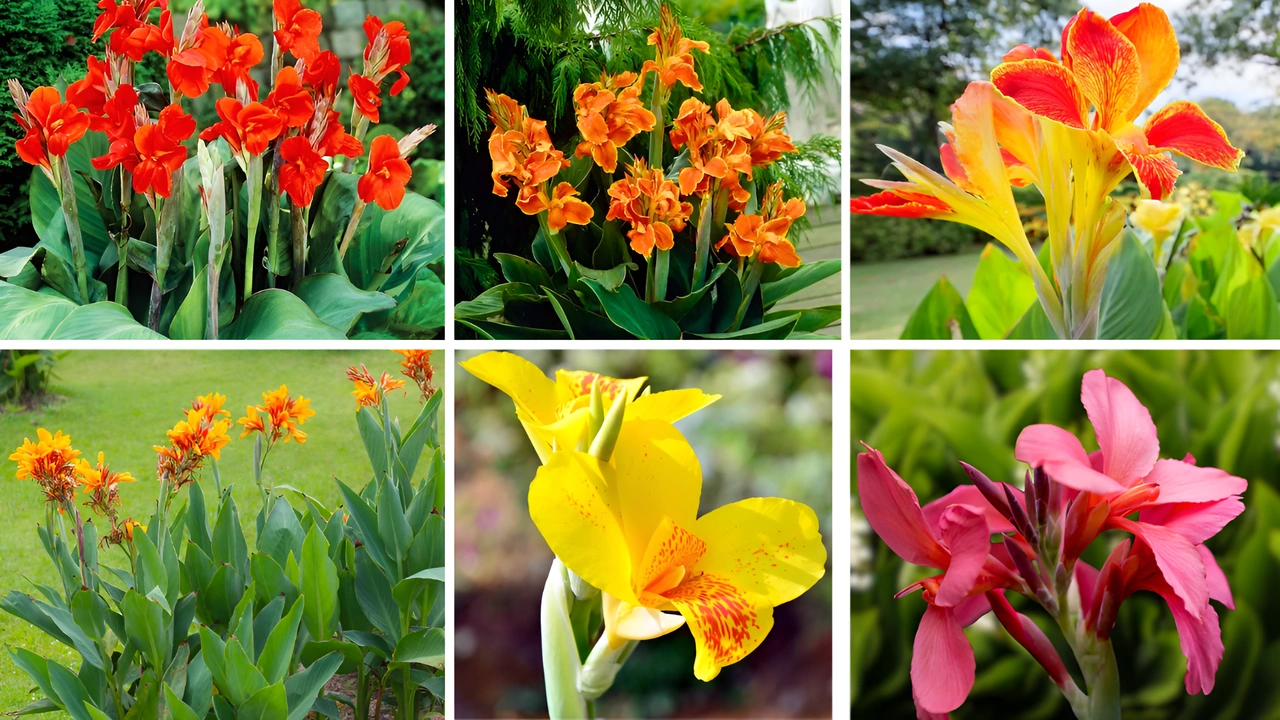
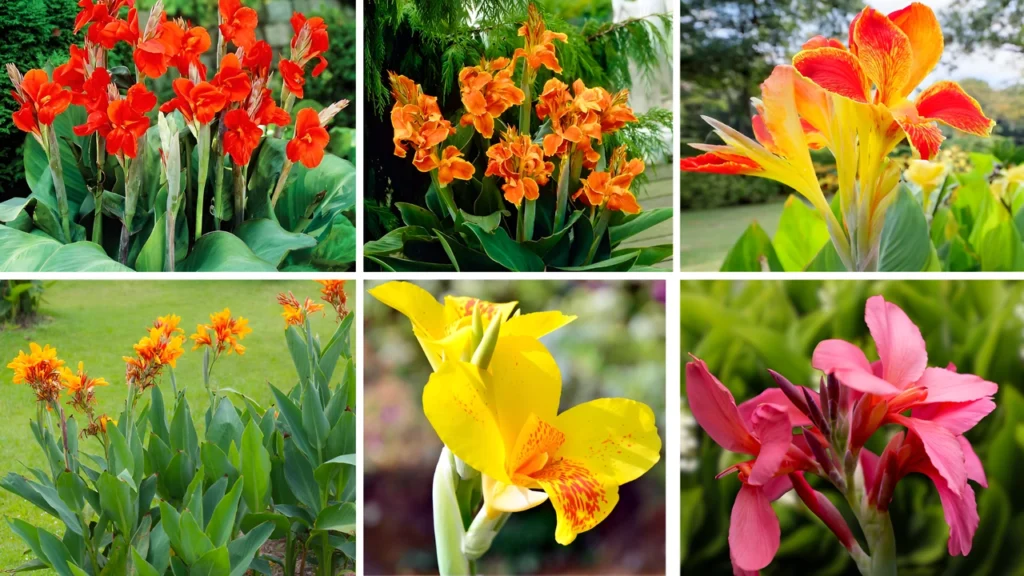
Canna lilies are among the most stunning and easy-to-grow plants that can bring vibrant color and year-round beauty to your garden. With their bold, tropical foliage and vibrant flowers in shades of red, orange, pink, and yellow, these plants are perfect for creating striking garden displays. Whether you are new to gardening or a seasoned pro, learning how to grow and care for Canna lilies will help ensure they thrive and continue to beautify your landscape. This guide will walk you through everything you need to know about growing and caring for Canna lilies, from planting and watering to pest control and winterizing.
Understanding Canna Lilies: The Basics
Before diving into how to grow and care for Canna lilies, it’s important to understand what these plants are and what they require for optimal growth.
Canna lilies are tropical plants that belong to the Cannaceae family. Unlike true lilies, they produce large, ornamental flowers and broad, green or bronze leaves that resemble those of banana plants. They thrive in sunny, warm environments and are generally planted as perennials in USDA hardiness zones 7-10. However, in cooler regions, they are often treated as annuals or dug up and stored over the winter.
Selecting the Right Variety of Canna Lily
Canna lilies come in a variety of colors, sizes, and growth habits, so choosing the right variety for your garden is key to achieving vibrant blooms and healthy growth. Some varieties are better suited for borders and containers, while others can make stunning focal points in large garden beds.
Popular Canna Lily Varieties:
- Canna ‘Tropicana’: Known for its bold, red and orange flowers and large, tropical leaves, this variety is perfect for adding dramatic color to your garden.
- Canna ‘Pretoria’: This variety has striking variegated foliage with yellow and green stripes and is often used as a backdrop to other plants.
- Canna ‘Lucifer’: A variety with brilliant red flowers, ‘Lucifer’ adds a pop of color to any garden and grows tall, reaching up to 6 feet.
- Canna ‘Cleopatra’: With bright orange-red flowers and bronze leaves, this variety is an excellent choice for creating a tropical feel in the garden.
Planting Canna Lilies: A Step-by-Step Guide
The process of planting Canna lilies is fairly straightforward. To ensure strong growth and vibrant blooms, it’s important to follow a few essential steps when planting them in your garden.
When to Plant:
The best time to plant Canna lilies is in the spring, after the danger of frost has passed. They need warm soil to establish their roots, ideally around 70°F (21°C). In most climates, planting is best done between late April and early May.
Choosing the Right Location:
Canna lilies thrive in full sun (at least 6 hours per day) and prefer rich, well-drained soil. They will tolerate a range of soil types but perform best in loamy or slightly acidic soil. When choosing a spot for your Canna lilies, make sure to avoid locations that are prone to standing water, as this can cause the bulbs to rot.
Planting Process:
- Prepare the soil: Loosen the soil to a depth of about 4-6 inches. Amend the soil with compost to improve fertility and drainage. Canna lilies prefer slightly acidic soil, with a pH between 5.5 and 6.5.
- Plant the rhizomes: Canna lilies are grown from rhizomes, which are thick, underground stems. Plant the rhizomes about 4-6 inches deep and space them 12-18 inches apart, depending on the variety.
- Water thoroughly: After planting, water the rhizomes well to settle the soil around them.
Watering and Fertilizing Canna Lilies for Healthy Growth
Proper watering and fertilizing are crucial components of how to grow and care for Canna lilies. These plants are relatively low-maintenance but require consistent moisture and nutrition to produce healthy foliage and abundant flowers.
Watering Canna Lilies:
Canna lilies prefer moist conditions, so ensure they receive consistent watering throughout the growing season. Water them deeply but avoid waterlogging, as Canna lilies do not tolerate standing water. During the growing season, check the soil regularly, and water whenever the top inch of soil feels dry.
In containers, Canna lilies may need more frequent watering, as their soil tends to dry out faster than in-ground plantings. Be sure the container has good drainage to prevent the roots from sitting in water.
Fertilizing Canna Lilies:
Canna lilies are heavy feeders and benefit from regular fertilization. Apply a balanced fertilizer that is high in phosphorus to encourage flowering and root development.
- Pre-plant fertilization: Before planting, mix slow-release granular fertilizer into the soil to provide a steady supply of nutrients.
- Ongoing fertilization: Once the plants are established, feed them every 4-6 weeks with a balanced liquid fertilizer or a slow-release fertilizer during the growing season.
Mulching:
Applying a layer of mulch around the base of the plants helps retain moisture, suppress weeds, and regulate soil temperature. Mulch also adds organic matter to the soil as it breaks down over time.
Pruning and Deadheading Canna Lilies for Continued Blooms
To maintain a healthy, attractive appearance and encourage continued blooms, proper pruning and deadheading are essential aspects of how to care for Canna lilies.
Deadheading:
Deadheading, or removing spent flowers, is an easy task that helps extend the blooming period of Canna lilies. Simply snap off faded flowers as soon as they begin to wilt. This practice directs the plant’s energy into producing new flowers rather than seed production.
Pruning:
In addition to deadheading, it is a good idea to cut back the foliage at the end of the growing season, once the leaves start to yellow or die back. This will prevent any disease from spreading and improve the appearance of your garden in the fall.
If your Canna lilies have grown too tall or wide, you can trim the foliage to maintain a neat shape. However, avoid cutting back too much during the growing season, as this can reduce flower production.
Dealing with Pests and Diseases in Canna Lilies
Canna lilies are generally hardy and resistant to pests, but like all plants, they can be affected by certain issues. Knowing how to prevent and manage pests and diseases is an important part of growing and caring for Canna lilies.
Common Pests:
- Aphids: These tiny, soft-bodied insects suck the sap from the plants, leading to distorted leaves and weak growth. Use a strong stream of water to wash aphids off the plants or treat them with insecticidal soap.
- Canna Leaf Rollers: These caterpillars roll up the leaves, damaging the plant and making it more susceptible to disease. Hand-pick the caterpillars or treat with a biological insecticide like Bt (Bacillus thuringiensis).
- Japanese Beetles: These shiny, metallic green beetles eat the foliage and flowers of Canna lilies. Hand-pick them or use organic pest control methods like neem oil.
Common Diseases:
- Canna Lily Virus: This virus causes yellowing and streaking of the leaves, often leading to stunted growth. To prevent the spread of the virus, remove and destroy infected plants and avoid using tools on healthy plants that have been in contact with infected ones.
- Root Rot: This fungal disease is caused by poor drainage or overwatering. To prevent root rot, ensure the soil is well-drained and avoid overwatering.
Winterizing Canna Lilies: Extending the Beauty Year-Round
In colder climates, Canna lilies will not survive the winter outdoors. However, with proper care, you can easily overwinter them and enjoy their beauty year after year.
Digging Up Rhizomes:
Before the first frost, carefully dig up the rhizomes of your Canna lilies. Use a spade to lift the rhizomes gently from the soil, and shake off any excess dirt. Allow the rhizomes to dry in a cool, well-ventilated area for several days.
Storing Canna Lilies Over Winter:
Once the rhizomes have dried, store them in a cool, dark place with good air circulation, such as a basement or garage. Place them in a paper bag or box with peat moss or sawdust to keep them dry and prevent them from rotting. Check on them occasionally throughout the winter to ensure they remain in good condition.
Harvesting Canna Lily Seeds (Optional)
While most gardeners prefer growing Canna lilies from rhizomes, it is also possible to grow them from seeds. If you wish to collect seeds for future planting, wait until the seed pods are fully mature and dry. Carefully remove the seeds from the pods and store them in a cool, dry place until you’re ready to plant them.
Conclusion
Growing and caring for Canna lilies offers a rewarding experience for gardeners of all skill levels. With their tropical appearance, vibrant blooms, and ability to thrive in various growing conditions, Canna lilies make an excellent addition to any garden. By selecting the right variety, following proper planting and care guidelines, and managing pests and diseases, you can ensure that your Canna lilies grow strong, produce beautiful blooms, and continue to add year-round beauty to your garden. Whether you’re planting them in borders, containers, or as focal points, these stunning plants will be a source of pride in your landscape for years to come.
Table: Quick Guide to Growing and Caring for Canna Lilies
| Task | Details |
|---|---|
| Planting | Plant in spring, 4-6 inches deep, in well-drained soil with full sun. |
| Watering | Keep soil moist but well-drained, especially during the growing season. |
| Fertilizing | Use balanced fertilizer before planting and throughout the growing season. |
| Pruning & Deadheading | Remove spent flowers to encourage new blooms. Cut back foliage in fall. |
| Pests & Diseases | Manage aphids, leaf rollers, and root rot with organic treatments. |
| Winterizing | Dig up rhizomes before frost, dry them, and store them in a cool, dry place. |
By following these tips for growing and caring for Canna lilies, you’ll enjoy their tropical beauty and vibrant colors for years to come.