Join on WhatsApp
Get the latest updates directly on WhatsApp – motivation, news & more!
 Join On WhatsApp
Complete Guide to Growing and Caring for Almond Trees: Almond trees are among the most rewarding fruit trees to grow, especially for gardeners who appreciate the nutritional benefits and unique flavor of almonds. Growing an almond tree requires some specific knowledge, care, and attention to detail, but with the right practices, you can enjoy a healthy, productive tree in your garden or orchard. In this comprehensive guide, we will walk you through everything you need to know about growing and caring for almond trees, from choosing the right variety to harvesting your first crop of almonds. Whether you’re a beginner or an experienced gardener, the following tips and techniques will help you achieve success in growing almonds.
Understanding the Basics of Almond Trees
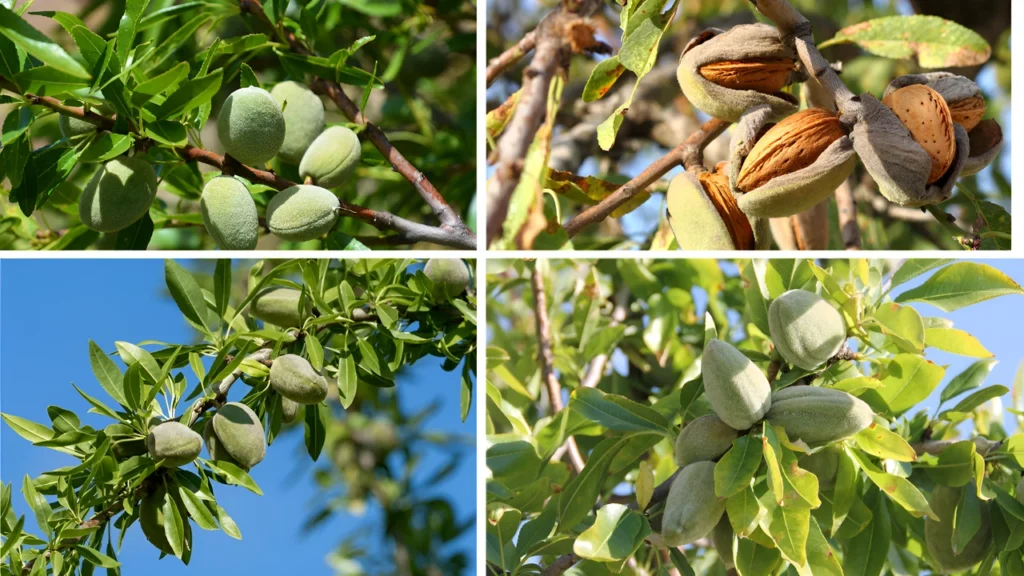
Before you start planting, it’s essential to have a solid understanding of the almond tree’s characteristics and needs. Almond trees (Prunus dulcis) are deciduous trees that belong to the rose family. Native to the Middle East and South Asia, almonds thrive in warm climates with mild winters and long, hot summers. Almond trees can be grown in USDA hardiness zones 7-9, and they require well-draining soil and full sunlight to grow properly.
The almond tree produces both ornamental flowers and edible seeds (the almonds). These trees can reach heights of 10-15 feet when grown as a dwarf variety, or up to 30 feet for standard varieties. They typically have gray-brown bark and elongated, lance-shaped leaves. When in bloom, almond trees display beautiful white or pink flowers, which are followed by the almond nuts themselves.
Choosing the Right Variety of Almond Tree
The first step to growing a healthy almond tree is selecting the right variety. There are two primary types of almond trees: sweet almonds and bitter almonds. Sweet almonds are the ones typically consumed as food, while bitter almonds contain amygdalin, a compound that can release cyanide when ingested, making them unsafe for direct consumption.
For most home gardeners, sweet almonds are the preferred choice. When choosing the right variety, consider the following factors:
- Climate Compatibility: Some almond varieties are more cold-hardy than others. Varieties like ‘Nonpareil’ and ‘Carmel’ are well-suited for warmer climates, while ‘Tuono’ and ‘Sonora’ are more resistant to colder temperatures.
- Pollination Needs: Almond trees are self-sterile, meaning you need at least two different varieties for cross-pollination. Be sure to plant at least one compatible pollinator tree to ensure good yields.
- Harvest Time: Different varieties mature at different times of the year. If you want a longer harvest window, consider planting several varieties with staggered blooming times.
Planting Almond Trees: Preparing the Soil and Site
Almond trees require specific conditions for optimal growth. When preparing your site for planting, follow these guidelines to create the best environment for your tree:
- Choosing the Right Location: Select a location with full sunlight (at least 6 hours of direct sunlight per day) to promote healthy growth and fruit production. Almond trees do not thrive in shaded or damp areas.
- Soil Quality: Almond trees prefer well-drained, sandy or loamy soil. They do not tolerate waterlogged conditions, so it’s essential to ensure proper drainage. The soil’s pH should be between 6.0 and 7.5.
- Soil Preparation: Before planting, improve soil fertility by adding compost or well-rotted manure. This will help ensure the soil has adequate nutrients to support the tree’s growth.
- Spacing: Almond trees need space to grow. For standard trees, space them about 20-25 feet apart, while dwarf varieties should be spaced around 10-15 feet apart. Proper spacing ensures good air circulation, reducing the risk of diseases.
How to Plant Almond Trees
- Digging the Hole: Dig a hole that is about 2-3 times the size of the almond tree’s root ball. This allows the roots to spread out and establish themselves more easily.
- Planting Depth: Place the tree in the hole so that the soil level on the root ball is slightly above the surrounding soil. Do not bury the trunk of the tree, as this can lead to rot.
- Watering After Planting: Water the tree generously after planting to help settle the soil around the roots. Keep the soil moist but not soggy for the first few weeks as the tree establishes itself.
- Mulching: Apply a layer of organic mulch around the base of the tree to help retain moisture, suppress weeds, and regulate soil temperature.
Watering Almond Trees for Healthy Growth
Almond trees require regular watering, especially in the first few years of growth. However, it’s important to avoid overwatering, as almond trees are sensitive to root rot. Water your almond tree deeply and infrequently rather than giving it frequent shallow waterings. Here’s how you can manage watering:
- Young Trees: For newly planted almond trees, water them every 3-4 days during the first growing season. Ensure the soil stays consistently moist but not soggy.
- Mature Trees: Once the tree is established, water it deeply once every 7-10 days during dry periods. The soil should dry out between waterings, so always check the moisture levels before irrigating.
Pruning Almond Trees: Why It’s Important
Pruning almond trees is crucial for maintaining their shape, improving airflow, and encouraging higher fruit production. Pruning also helps remove diseased or damaged wood, which can attract pests and diseases. Here’s how to prune almond trees for healthy growth:
- When to Prune: The best time to prune almond trees is during the late winter or early spring, just before new growth begins. Avoid pruning during the fall or summer, as this can make the tree vulnerable to diseases.
- How to Prune: Start by removing any dead or damaged branches. Then, focus on thinning the tree to improve air circulation. Remove any inward-growing branches or those that cross over each other. The goal is to create an open canopy that allows sunlight to penetrate all parts of the tree.
- Shape and Size: If you’re growing a standard almond tree, pruning can help control its size and shape, keeping it manageable and productive. For dwarf varieties, regular pruning can ensure that the tree remains compact.
- Tools: Use sharp, clean pruning shears for small branches and a pruning saw for larger branches. Always sanitize your tools before and after use to prevent the spread of disease.
Harvesting Almonds: When and How to Harvest Almonds
Harvesting almonds at the right time is crucial for ensuring that the nuts are ripe and ready to eat. Almonds typically take 7-8 months to ripen after the tree flowers, but the exact timing can vary depending on the variety and climate.
- Signs of Ripeness: When almonds are ready to harvest, the green outer hulls will begin to split open, revealing the hard, brown shell inside. The nuts should also rattle when shaken, indicating that they’ve separated from the hull.
- How to Harvest: Gently shake the tree or use a long pole to knock the almonds from the branches. You can also spread a tarp beneath the tree to catch the falling almonds. After harvesting, remove the hulls from the nuts and allow them to dry in a cool, dry place for several days.
- Storage: Store harvested almonds in a cool, dry place. If you plan to store them for a long period, you can freeze them to prevent spoilage. Ensure they are fully dried before storing them to avoid mold growth.
Common Pests and Diseases in Almond Trees
Almond trees are susceptible to various pests and diseases, so regular monitoring is essential for maintaining healthy trees. Common pests include:
- Aphids: These tiny insects feed on the sap of almond trees, causing leaves to curl and distort. If left unchecked, aphids can weaken the tree. Use insecticidal soap or neem oil to control aphid infestations.
- Caterpillars and Moths: The larvae of certain moths can damage almond trees by eating the leaves or nuts. Handpicking caterpillars or using organic pest control methods can help mitigate damage.
- Fungal Diseases: Almond trees can be prone to fungal infections such as powdery mildew and rust. Proper spacing, good air circulation, and avoiding overhead watering can help prevent fungal growth.
Conclusion: Growing and Caring for Almond Trees
Growing and caring for almond trees is a rewarding experience that requires knowledge and effort, but the benefits are well worth it. By selecting the right variety, preparing your site, planting correctly, and following a maintenance plan that includes watering, pruning, and pest management, you can enjoy healthy almond trees that produce abundant crops year after year. Harvesting your own almonds is a satisfying accomplishment, and with the proper care, your almond tree will thrive in your garden or orchard, providing you with fresh, nutritious almonds for years to come.
Quick Summary Table: Key Tips for Growing and Caring for Almond Trees
| Aspect | Tip |
|---|---|
| Location | Full sunlight, well-draining soil, mild winter climates |
| Soil | Sandy or loamy soil, pH 6.0-7.5, well-drained |
| Watering | Deep watering, avoid overwatering, adjust based on age |
| Pruning | Prune in late winter/early spring to maintain shape |
| Harvesting | Wait until hulls split and nuts rattle, dry thoroughly |
| Pests/Diseases | Watch for aphids, caterpillars, and fungal infections |
With this guide in hand, you are now prepared to grow and care for your almond tree, ensuring it reaches its full potential in producing delicious, healthy almonds. Happy gardening