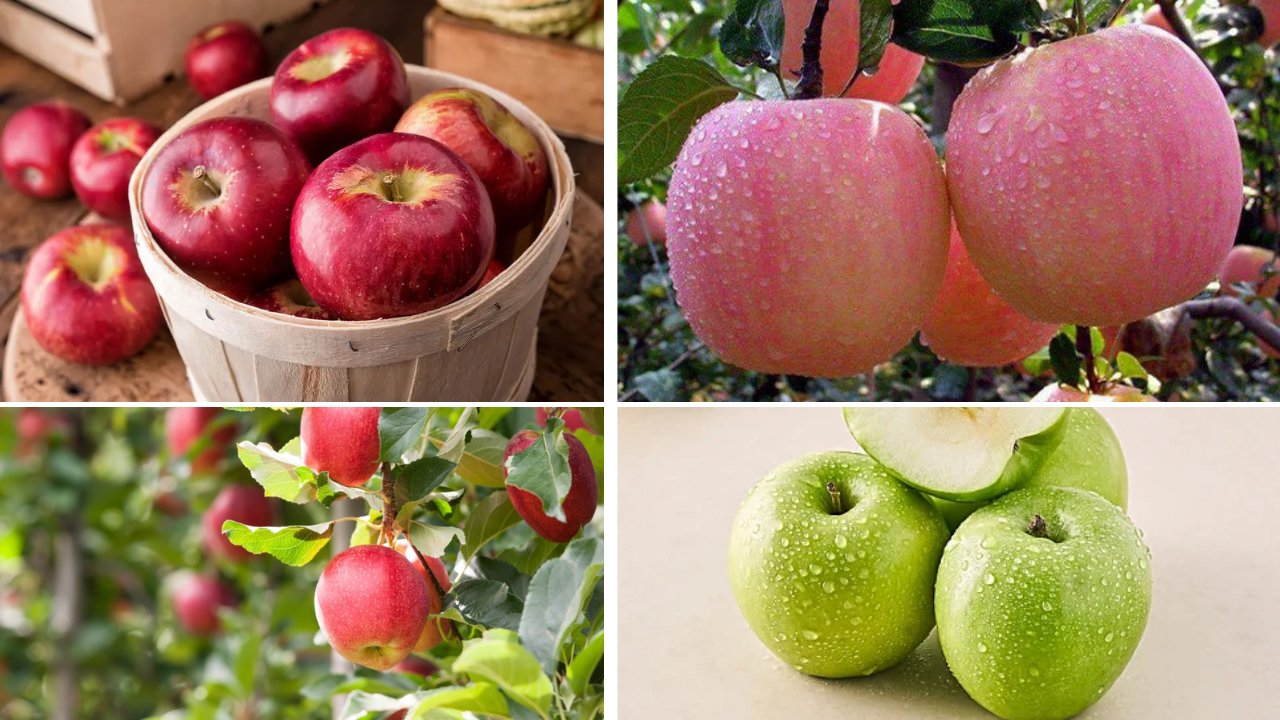
Join on WhatsApp
Get the latest updates directly on WhatsApp – motivation, news & more!
 Join On WhatsApp
Growing apple trees in your own backyard isn’t just possible—it’s incredibly rewarding. With the right knowledge and preparation, anyone can start a mini orchard at home that produces delicious apples year after year. Whether you dream of homemade apple pies or simply love the idea of harvesting your own fruit, this comprehensive backyard apple tree growing guide will walk you through everything you need to know. From choosing the right apple varieties to maintaining healthy trees, you’ll learn how to transform your space into a fruitful and beautiful backyard orchard.
Choosing the Right Variety for Your Backyard Apple Tree Growing Guide
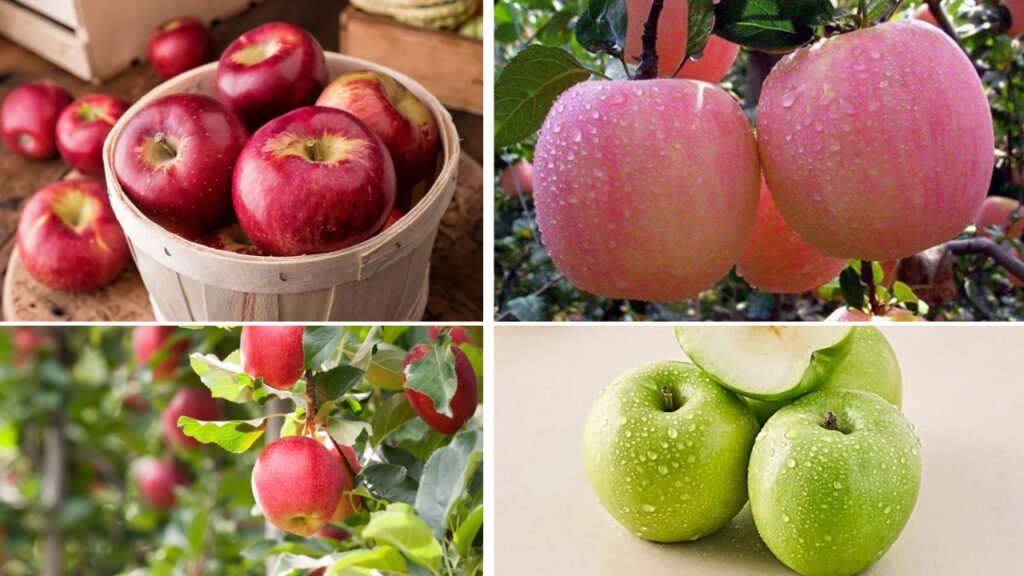
When beginning your backyard apple tree growing guide, one of the most important decisions is selecting the right variety. Not all apples grow well in every climate. Some are more cold-hardy, like ‘Honeycrisp’ or ‘McIntosh’, while others, such as ‘Fuji’ or ‘Gala’, prefer warmer zones. You’ll also need to choose between standard, semi-dwarf, or dwarf apple trees depending on your available space. Dwarf varieties are perfect for starting a mini orchard at home, especially in smaller yards. Make sure to also consider whether your chosen tree requires cross-pollination, as many apple trees need a compatible partner nearby to produce fruit.
Preparing Your Yard: The Foundation of a Successful Mini Orchard at Home
No backyard apple tree growing guide is complete without proper site preparation. Apple trees love full sun and well-drained soil. Begin by selecting a location in your yard that receives at least 6–8 hours of direct sunlight each day. The soil should be loose, loamy, and slightly acidic (pH around 6.0–6.8). Before planting, test your soil and amend it if needed. Clear the area of grass, weeds, or debris to give your trees a strong start. This early effort sets the stage for a thriving mini orchard at home.
Planting Techniques in the Backyard Apple Tree Growing Guide
Once your site is ready, it’s time to plant. This step of the backyard apple tree growing guide is crucial for long-term success. Dig a hole twice as wide and just as deep as the root ball. Gently place the tree in the hole, spreading out the roots. The graft union (a swollen area near the base of the trunk) should sit just above the soil line. Backfill the hole with native soil mixed with compost, and water thoroughly. Space your trees appropriately—about 15 to 20 feet apart for standard trees and 8 to 10 feet for dwarfs. Proper spacing ensures healthy airflow, which is essential in any mini orchard at home.
Watering and Fertilizing for a Thriving Mini Orchard at Home
Caring for your trees after planting is a key part of any backyard apple tree growing guide. Apple trees require consistent moisture, especially in their first few years. Deep watering once a week is better than light, frequent watering. Mulching around the base (but not touching the trunk) helps retain moisture and suppress weeds. As your trees grow, you’ll also need to fertilize in early spring using a balanced, slow-release fertilizer. This promotes healthy foliage and encourages fruit development in your mini orchard at home.
Pruning and Training in the Backyard Apple Tree Growing Guide
One of the most overlooked aspects of a backyard apple tree growing guide is pruning. Regular pruning helps your tree develop a strong structure, improves air circulation, and increases fruit yield. Begin pruning in the first year by removing any weak or competing branches. As the tree matures, maintain an open center shape by trimming inward-growing or overcrowded limbs. If you’re establishing a formal mini orchard at home, consider training your trees on a trellis or espalier system to save space and increase sunlight exposure.
Pest and Disease Management in Your Mini Orchard at Home
A truly useful backyard apple tree growing guide must address pests and diseases. Apple trees can fall victim to various issues like apple scab, powdery mildew, and pests such as aphids or codling moths. Early detection is key. Inspect your trees regularly, and opt for organic solutions whenever possible, such as neem oil or insecticidal soap. Proper pruning, good sanitation (cleaning up fallen fruit and leaves), and healthy soil management all contribute to a pest-resistant mini orchard at home.
Harvesting and Enjoying the Fruits of Your Mini Orchard at Home
The most rewarding part of the backyard apple tree growing guide is the harvest. Depending on the variety, apples may be ready from late summer to late fall. A ripe apple will come off the tree easily with a slight upward twist. Avoid pulling or yanking, as this can damage the spur and affect future fruit. After harvesting, store apples in a cool, dry place—or enjoy them right away in your favorite recipes. Sharing the fruits of your labor is what truly makes a mini orchard at home feel magical.
Year-Round Maintenance in the Backyard Apple Tree Growing Guide
Maintaining your trees throughout the year is essential to keep your mini orchard at home healthy and productive. In winter, apply dormant oil to control overwintering pests. Spring is for fertilizing and pruning. Summer requires vigilant watering and pest monitoring. In fall, focus on cleanup and preparing the tree for dormancy. Following this seasonal care cycle ensures your backyard apple tree growing guide continues to deliver success year after year.
Final Thoughts on Starting Your Own Mini Orchard at Home
There’s something incredibly satisfying about growing your own apples. This backyard apple tree growing guide has shown that with the right planning, a little effort, and ongoing care, anyone can turn an ordinary yard into a productive mini orchard at home. From choosing the best varieties and planting them correctly to pruning, pest control, and harvesting, every step brings you closer to a backyard full of fresh, homegrown fruit. Whether you’re planting one tree or a dozen, starting a mini orchard is a long-term investment in beauty, sustainability, and good eating for years to come.