Join on WhatsApp
Get the latest updates directly on WhatsApp – motivation, news & more!
 Join On WhatsApp
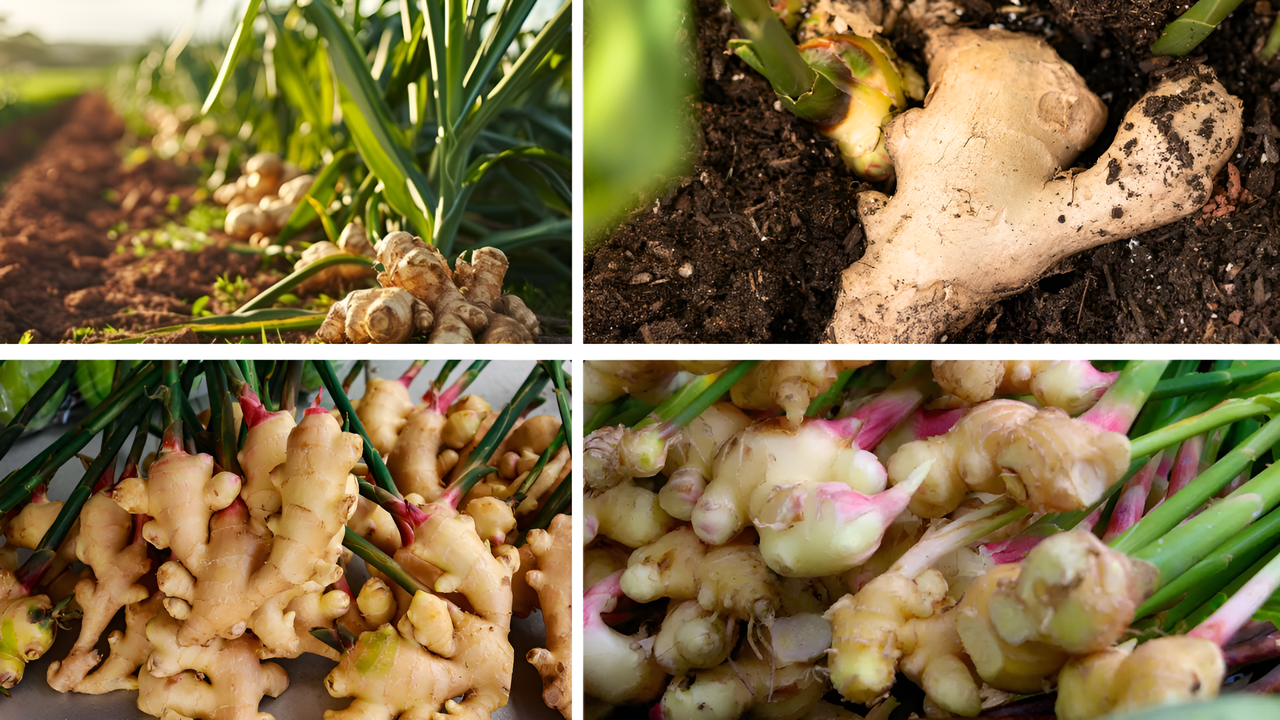
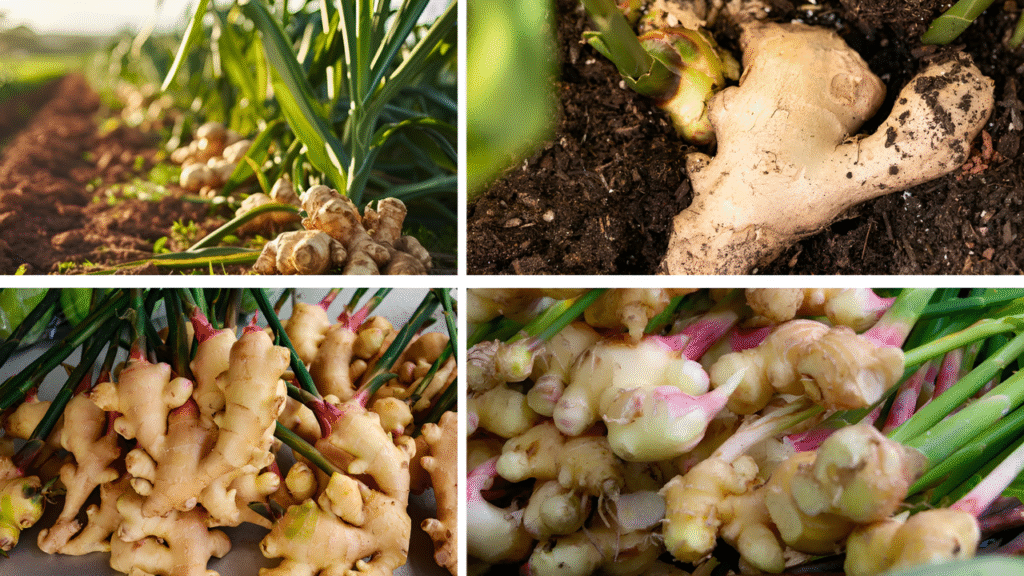
Ginger is not only a beloved spice known for its aromatic, pungent flavor, but it also boasts a wide range of health benefits. Growing your own ginger can be a rewarding experience, offering you fresh, organic rhizomes for culinary and medicinal use. The key to success in growing and caring for ginger lies in understanding its needs: warm temperatures, moisture, and rich, well-draining soil. With the right approach, your ginger plants will thrive, providing you with robust rhizomes and a bountiful harvest. This guide offers proven tips for growing and caring for ginger, from selecting the right variety to managing the plant’s growth and harvesting the rhizomes.
Understanding Ginger: A Tropical Plant with Unique Needs
Ginger (Zingiber officinale) is a tropical plant native to Southeast Asia. While it thrives in hot, humid climates, it can be successfully grown in a variety of settings, including in pots, raised beds, or even indoors, as long as the growing conditions are met. The plant grows from rhizomes, which are underground stems that store nutrients, and these rhizomes are what we harvest and use. Ginger’s lush, green foliage and tall, elegant stalks make it an attractive addition to any garden, and with proper care, it can be an easy plant to cultivate.
Selecting the Right Ginger Variety for Your Garden
There are several varieties of ginger that you can grow, and your choice will depend on your local climate, the space available in your garden, and your intended use for the ginger. Whether you want to grow ginger for culinary purposes or for medicinal benefits, choosing the right variety is essential to ensure success in your garden.
Popular Ginger Varieties:
- Common Ginger (Zingiber officinale): This is the most common type of ginger used in cooking and baking. It has a strong, spicy flavor and is the variety most commonly found in stores.
- Yellow Ginger: Known for its bright yellow flesh, this variety is prized for its medicinal properties and is often used in teas and herbal remedies.
- Purple Ginger (Zingiber zerumbet): Often used for its health benefits, purple ginger has a unique appearance and is primarily grown in tropical climates.
- Baby Ginger: A younger version of common ginger, baby ginger has a milder flavor and is sold fresh in the markets. It has a tender, thin skin that doesn’t need to be peeled.
Planting Ginger: The First Step to Growing Healthy Rhizomes
Once you’ve selected your ginger variety, the next step in growing and caring for ginger is planting it in the right environment. Ginger requires a few essential elements to thrive: a warm climate, plenty of moisture, and rich, well-draining soil. While ginger is often considered a tropical plant, it can be grown in temperate climates as long as it is shielded from frost.
When to Plant Ginger:
Ginger should be planted in the spring or early summer when the risk of frost has passed and the soil has warmed up. The best planting temperature for ginger is between 70-85°F (21-29°C). If you’re planting ginger indoors, ensure you have a spot that maintains a consistent temperature and is shielded from direct drafts.
Preparing the Soil:
Ginger prefers loamy, well-draining soil that is rich in organic matter. It’s important to ensure the soil is loose and fluffy so the rhizomes have room to spread and grow. If your soil is heavy or clay-like, amend it with compost or organic matter to improve drainage. Ginger plants also appreciate slightly acidic soil, with a pH between 5.5 and 6.5.
Planting Process:
- Prepare your ginger rhizomes: Select a healthy, firm ginger rhizome from a nursery or a grocery store. Ensure the rhizome has several buds or “eyes” (small, raised areas that look like little bumps), as these will sprout into the new plant.
- Cut into pieces: If your rhizome is large, you can cut it into smaller pieces, each with at least one bud. Allow the cut pieces to dry for 1-2 days to prevent them from rotting after planting.
- Planting: Dig a hole about 2-4 inches deep. Place the rhizome pieces with the buds facing upward. Space the pieces at least 8 inches apart, as ginger requires room to grow.
- Water thoroughly: After planting, water the soil deeply but gently to settle it around the rhizomes.
Watering and Fertilizing Ginger for Optimal Growth
Proper watering and fertilizing are essential to growing and caring for ginger. Ginger thrives in moist, humid conditions, but it does not tolerate waterlogged soil. Therefore, managing soil moisture levels carefully is key to preventing rot while promoting healthy growth.
Watering Ginger:
Ginger plants need consistent moisture throughout their growing season. Water the plants regularly, ensuring the soil stays moist but never soggy. The roots of ginger plants are sensitive to both drought and waterlogging, so aim to keep the soil consistently damp. In general, ginger requires about 1 inch of water per week, either through rainfall or supplemental watering.
If you’re growing ginger in pots, make sure to water thoroughly, allowing excess water to drain from the bottom of the container. In containers, ginger may require more frequent watering, as the soil tends to dry out faster than in-ground plantings.
Fertilizing Ginger:
To ensure your ginger plants grow strong and healthy, fertilize them regularly throughout the growing season. Ginger is a heavy feeder, meaning it will benefit from a steady supply of nutrients.
- Organic Fertilizers: Use organic compost or well-rotted manure to enrich the soil. Apply a thick layer of compost around the base of the plant every 4-6 weeks.
- Liquid Fertilizer: You can also use a diluted liquid fertilizer that’s high in potassium, phosphorus, and nitrogen to encourage robust growth. Feed your ginger with a balanced liquid fertilizer once a month during the growing season.
Mulching:
A layer of mulch around the base of the ginger plant helps retain moisture and keeps the soil temperature consistent. Mulch also suppresses weeds, which can compete with the ginger for nutrients. Use organic mulches like straw, grass clippings, or wood chips to help keep the soil moist and nourished.
Managing Pests and Diseases in Ginger Plants
While ginger plants are relatively resistant to pests and diseases, they can still face some challenges. Knowing how to manage common pests and diseases is a critical aspect of growing and caring for ginger.
Common Pests:
- Aphids: These small, sap-sucking insects can weaken ginger plants by feeding on the plant’s vital nutrients. To control aphids, spray the leaves with insecticidal soap or neem oil.
- Root-knot Nematodes: These microscopic pests infest the root system, causing swelling and stunting. If you notice your ginger’s growth slowing, treat the soil with nematicides or use crop rotation to avoid re-infestation.
Common Diseases:
- Rhizome Rot: This fungal disease is caused by overwatering or poor drainage, and it leads to the rotting of the ginger rhizomes. To prevent rhizome rot, make sure your ginger plants are not sitting in water and ensure the soil is well-draining.
- Leaf Spot: A fungal infection that creates brown spots on the leaves. Prune infected leaves and apply a copper-based fungicide to prevent further spread.
Harvesting Ginger: Knowing When to Collect the Rhizomes
Harvesting ginger is one of the most exciting aspects of growing and caring for ginger, but knowing when to harvest is important to ensure you get the most flavorful rhizomes.
When to Harvest:
Ginger plants typically take 8-10 months to reach maturity, depending on the growing conditions. The best time to harvest ginger is when the leaves and stems start to yellow and die back, signaling that the rhizomes have matured.
- Young Ginger: If you want to harvest young, tender ginger (baby ginger), you can do so after about 4-5 months of growth. The rhizomes will be small, but they will have a milder flavor and thinner skin.
- Mature Ginger: For mature ginger, wait until the plant has fully matured. You can tell that the rhizomes are ready when they are firm, plump, and have a more intense flavor.
How to Harvest Ginger:
To harvest ginger, carefully dig up the rhizomes using a spade or fork, being careful not to damage them. Gently lift the rhizomes from the soil and shake off any excess dirt. You can then separate the rhizomes, leaving a small portion in the ground to grow more ginger for the following season.
Storing Ginger for Future Use
Once you have harvested your ginger, proper storage is crucial to maintain its freshness and flavor.
Fresh Ginger Storage:
Fresh ginger can be stored in the refrigerator for several weeks. Simply place the unpeeled rhizomes in a paper bag or container. For longer storage, ginger can be frozen or dried.
Drying Ginger:
To dry ginger, slice it thinly and place it in a dehydrator or an oven set to the lowest temperature. Once the ginger slices are dry and brittle, store them in an airtight container.
Conclusion
Growing and caring for ginger can be a rewarding experience, whether you’re a beginner or a seasoned gardener. With the right environment, soil, and care, you can enjoy a steady supply of fresh, organic ginger rhizomes right from your garden. From selecting the best variety to managing pests and harvesting at the right time, following the steps outlined in this guide will help ensure your ginger plants grow strong, healthy, and yield a bountiful harvest year after year. By incorporating these proven tips into your gardening routine, you’ll have delicious and aromatic ginger ready to use in your culinary creations and health remedies.
Quick Guide to Growing and Caring for Ginger
| Task | Details |
|---|---|
| Planting | Plant in warm, moist, well-drained soil in spring or early summer. |
| Watering | Keep soil consistently moist but not waterlogged. |
| Fertilizing | Use organic compost and balanced liquid fertilizers. |
| Pests & Diseases | Manage aphids, nematodes, and fungal diseases with proper care. |
| Harvesting | Harvest mature ginger after 8-10 months; younger ginger at 4-5 months. |
| Storage | Store fresh ginger in the refrigerator or dry it for long-term use. |
By following these expert tips, you’ll enjoy the benefits of fresh ginger and create a thriving garden that produces robust rhizomes and beautiful plants year after year.