Join on WhatsApp
Get the latest updates directly on WhatsApp – motivation, news & more!
 Join On WhatsApp
Lemons are a staple in kitchens worldwide—whether used for cooking, baking, or simply squeezed into water, their tangy flavor and vibrant color make them indispensable. Growing your own lemon tree not only provides fresh, organic fruit but also gives you the satisfaction of nurturing a tree that can thrive year after year. However, to achieve the ultimate success in growing and caring for lemons, there are several important factors to consider, from choosing the right variety to maintaining the health of your tree year-round. This comprehensive guide will give you expert tips on how to grow and care for lemons, ensuring your lemon tree thrives, produces a bountiful harvest, and continues to deliver fresh fruit throughout the year.
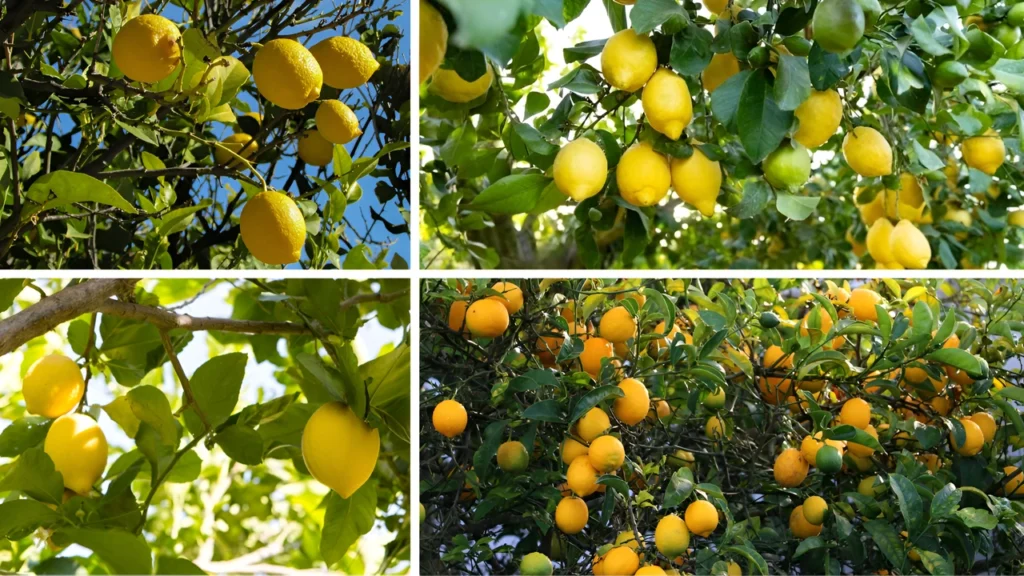
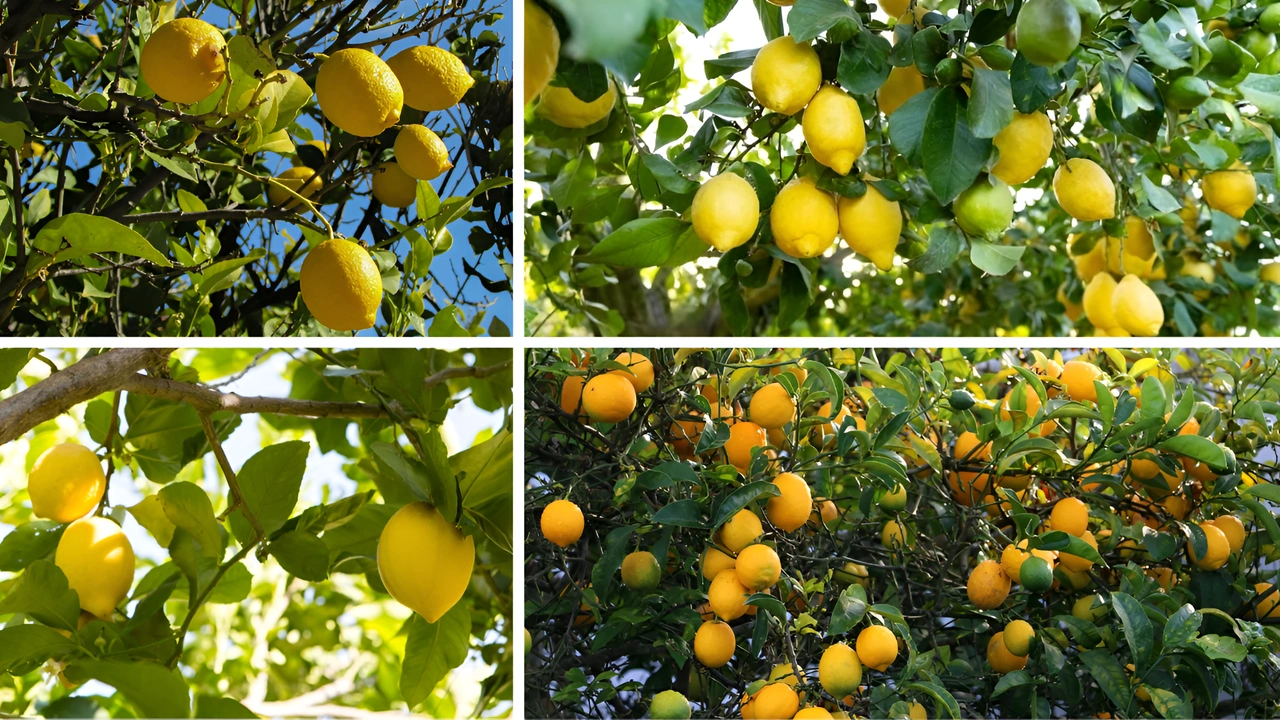
Choosing the Right Lemon Variety for Your Climate
When it comes to growing and caring for lemons, selecting the right variety for your climate is essential. Different lemon varieties thrive in specific environments, so knowing your local conditions is the first step to success.
Popular Lemon Varieties:
- Eureka Lemons: These are the most common variety and are perfect for regions with warm climates, typically thriving in USDA Hardiness Zones 9-11. Eureka lemons have a thick skin and are known for their tart flavor.
- Lisbon Lemons: Similar to Eureka, Lisbon lemons also do well in warmer climates and are known for their smooth, glossy skin. They have a less acidic flavor, making them excellent for culinary uses.
- Meyer Lemons: A cross between a lemon and an orange, Meyer lemons are sweeter and less acidic. They are perfect for those in milder climates or even in containers, as they can be grown indoors.
- Improved Meyer Lemons: A more disease-resistant version of the traditional Meyer, this variety is especially hardy in colder climates and can thrive in containers or as a small tree.
Planting Your Lemon Tree: The Key to Success
Planting is a crucial step in the process of growing and caring for lemons. If you want your lemon tree to grow strong and healthy, follow these key guidelines for planting.
Best Time to Plant:
Lemon trees should be planted in the spring, once the risk of frost has passed. This gives the tree plenty of time to establish its roots before the heat of summer. However, if you’re planting in a container, you can do so year-round as long as the temperature is mild.
Selecting the Right Location:
Lemon trees love the sun, so choose a spot that receives at least 8 hours of direct sunlight per day. Additionally, lemons thrive in well-drained, slightly acidic soil with a pH of 5.5 to 6.5. If you’re planting outdoors, choose a location that is protected from strong winds, which can damage the tree.
Planting Process:
- Dig a hole: Make sure the hole is twice as wide and deep as the root ball of your lemon tree.
- Prepare the soil: Mix in some organic compost to enrich the soil and improve drainage.
- Plant the tree: Place the tree in the hole so that the top of the root ball is level with the surrounding soil. Fill in with soil and gently pack it down.
- Water thoroughly: After planting, water your lemon tree deeply to settle the soil and remove any air pockets.
Watering and Irrigation for Healthy Lemon Trees
Proper watering is a vital part of growing and caring for lemons. Lemon trees need consistent moisture, especially during their growing seasons, but they are susceptible to root rot if overwatered. Understanding how to balance your watering practices is key.

How Much Water Does a Lemon Tree Need?
Lemon trees generally require deep watering to encourage their roots to grow deep into the soil. During the growing season, water your tree every 2-3 days if the soil feels dry to the touch. In the winter months, you can reduce watering, as lemon trees are more dormant during this period.
Watering Tips:
- Use a drip irrigation system: This ensures that water is delivered directly to the root zone, minimizing evaporation and runoff.
- Check soil moisture: Before watering, always check if the soil is dry about 2-3 inches below the surface.
- Avoid overhead watering: Watering from above can lead to fungal diseases and rot, especially in the tree’s leaves.
Fertilizing for Thriving Lemon Trees
Fertilizing is one of the most important aspects of growing and caring for lemons. A well-fed tree will produce more fruit and maintain its health. When and how you fertilize depends on the age of your tree and the season.
When to Fertilize:
- Young Trees (1-3 years old): Fertilize your young tree once every 6 weeks during the growing season (spring through summer) using a balanced, slow-release fertilizer high in nitrogen.
- Mature Trees (4+ years old): For older trees, fertilize 3-4 times a year with a specialized citrus fertilizer to encourage flowering and fruit production.
How to Fertilize:
- Apply the fertilizer evenly around the base of the tree, extending slightly beyond the drip line (the area beneath the outermost leaves).
- Water your tree well after applying fertilizer to help the nutrients reach the roots.
Pruning and Shaping Your Lemon Tree for Maximum Yield
Pruning is essential for growing and caring for lemons because it helps maintain the shape of the tree, improves air circulation, and encourages better fruit production.
When to Prune:
The best time to prune a lemon tree is in early spring, just before new growth begins. Pruning after harvest helps the tree focus energy on creating new growth rather than sustaining old branches.
Pruning Tips:
- Remove dead or diseased wood: Always cut back any branches that are dead, damaged, or diseased to maintain the health of the tree.
- Thin out the center: Trim back the central branches to allow sunlight to penetrate the tree’s interior.
- Shape the tree: Cut back any branches that are growing inwards or crossing over each other. This will help your tree maintain a strong structure and allow better airflow.
Managing Pests and Diseases in Lemon Trees
Like all fruit trees, lemon trees are susceptible to certain pests and diseases. Effective pest management is essential for keeping your tree healthy and productive.
Common Pests:
- Aphids: These tiny insects feed on the sap of the tree and can spread disease. Control aphids with insecticidal soap or introduce natural predators like ladybugs.
- Spider Mites: These pests cause yellowing of leaves and can damage the tree’s overall health. Use a miticide or neem oil to keep their population in check.
- Citrus Leaf Miner: This pest tunnels through leaves, causing them to curl. To prevent them, spray the tree with horticultural oil during the winter months.
Common Diseases:
- Citrus Canker: This bacterial disease causes lesions on leaves and fruit. Remove and destroy infected parts of the tree and apply copper-based fungicides.
- Powdery Mildew: This fungal disease produces a white, powdery coating on leaves. Ensure good air circulation and apply a fungicide to control the spread.
Harvesting Lemons: Timing for Peak Flavor
Harvesting lemons at the right time ensures you get the best flavor and juiciness from your tree. One of the key aspects of growing and caring for lemons is knowing when to pick them.
When to Harvest:
Lemons are typically ready to harvest about 6-9 months after flowering. However, the exact timing depends on the variety and growing conditions. The key to knowing when your lemons are ripe is to check their color: they should be fully yellow (or yellow with a tinge of green, depending on the variety) and feel firm to the touch.
How to Harvest:
Use sharp pruning shears or scissors to cut the lemons from the tree, leaving a short piece of stem attached. Avoid pulling the fruit off by hand, as this can damage both the fruit and the tree.
Conclusion
Growing and caring for lemons can be a deeply rewarding experience, whether you are a seasoned gardener or just starting. From selecting the right variety to managing pests and diseases, every step in the process contributes to the overall health and productivity of your tree. By following expert tips for watering, fertilizing, pruning, and harvesting, you can ensure your lemon tree thrives year-round, providing you with an abundance of fresh, flavorful fruit. With patience and proper care, you’ll enjoy the satisfaction of having your own homegrown lemons, ready to brighten up your cooking, drinks, and beyond!
Table: Quick Tips for Growing and Caring for Lemons
| Task | Details |
|---|---|
| Choosing a Lemon Variety | Select varieties like Eureka, Lisbon, or Meyer based on your climate. |
| Planting | Plant in spring with ample sunlight and well-drained, acidic soil. |
| Watering | Water deeply, 2-3 times a week in growing season; reduce in winter. |
| Fertilizing | Use balanced fertilizer for young trees; specialized citrus food for mature trees. |
| Pruning | Prune in early spring to remove dead branches and shape the tree. |
| Pest Management | Control pests like aphids, spider mites, and leaf miners with natural methods or safe chemicals. |
| Harvesting | Harvest when lemons are fully yellow, firm to the touch, and 6-9 months old. |
By following this ultimate guide to growing and caring for lemons, you’ll set yourself up for years of successful harvests, flavorful fruit, and healthy, thriving trees.