Join on WhatsApp
Get the latest updates directly on WhatsApp – motivation, news & more!
 Join On WhatsApp
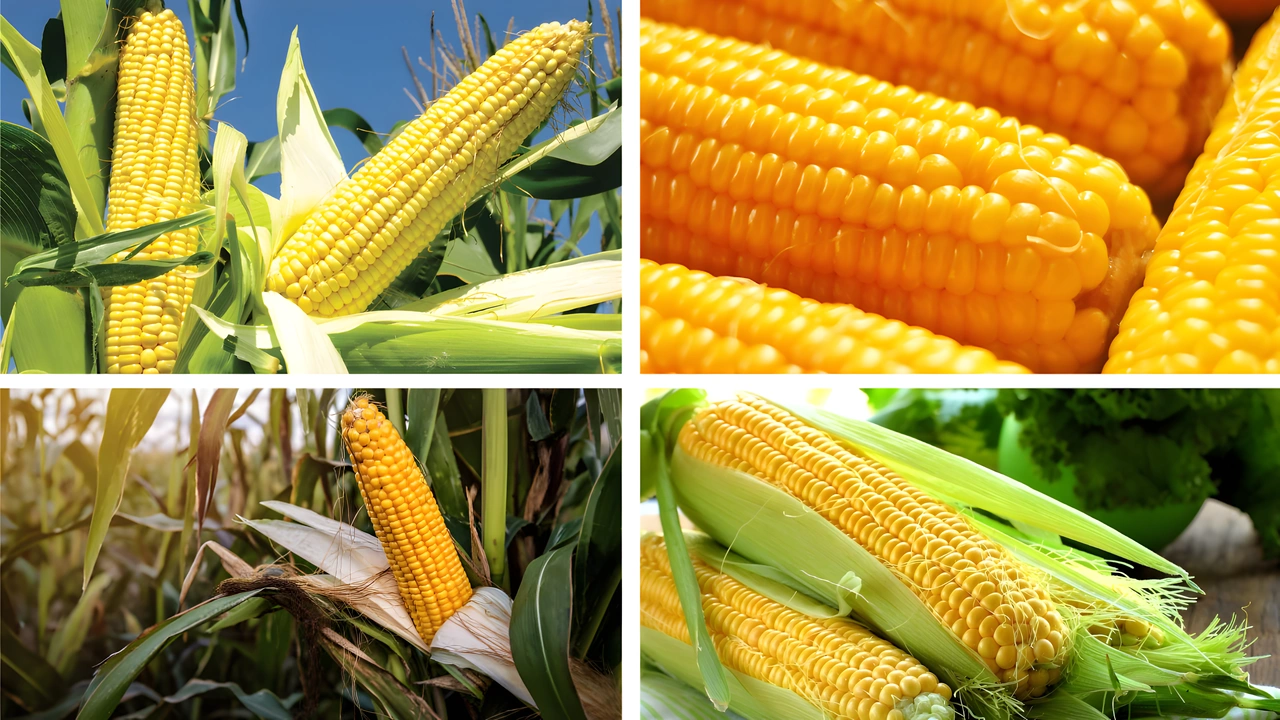
Corn, also known as maize, is more than just a staple food—it’s a global agricultural powerhouse that fuels economies, feeds populations, and supports entire industries. As global demand for food and biofuels continues to rise, it’s important to ask: Which country leads the world in corn production? In this comprehensive guide, we take a detailed look at the top global corn producer, exploring the reasons behind its agricultural dominance, how it maintains its lead, and what the future may hold for corn on the world stage. From farmland to export ports, this article dives deep into the systems, strategies, and statistics behind the world’s most successful corn-producing nation.
Understanding Corn Production: Why It Matters Globally
Before we identify which country leads the world in corn production, it’s essential to understand the significance of corn itself. Corn is not only consumed directly as food but is also used as livestock feed, industrial raw material, and a biofuel component (especially ethanol). Its versatility means that corn production plays a vital role in food security, economic stability, and global trade.
Corn accounts for a major portion of global cereal grain output, and fluctuations in its production can directly impact commodity prices, food accessibility, and international relations. That’s why determining the top global corn producer is more than just an academic exercise—it’s a matter of economic and agricultural importance.
Which Country Leads the World in Corn Production? The Undisputed Leader
There is no ambiguity when it comes to which country leads the world in corn production—the United States of America has held this title for decades. With its vast tracts of arable land, advanced agricultural technology, and strong infrastructure, the U.S. produces more corn than any other country on the planet.
In recent years, the United States has consistently accounted for over 30% of global corn production, often producing more than 350 million metric tons annually. The majority of this corn comes from what is commonly referred to as the Corn Belt—a region in the Midwest that includes states like Iowa, Illinois, Nebraska, Minnesota, and Indiana.
Table: Top Global Corn Producers by Annual Output
| Rank | Country | Corn Production (Metric Tons) | Percentage of Global Output |
|---|---|---|---|
| 1 | United States | 350+ million | ~30–35% |
| 2 | China | 270+ million | ~23–25% |
| 3 | Brazil | 120–130 million | ~10% |
| 4 | Argentina | 55–60 million | ~5–6% |
| 5 | Ukraine | 30–35 million | ~3% |
This table clearly illustrates which country leads the world in corn production, as the United States maintains a significant lead over other major producers like China and Brazil.
Why the United States Is the Top Global Corn Producer
Understanding why the U.S. leads the world in corn production requires examining several contributing factors that have worked together over time to create an agricultural superpower.
1. Fertile Land and Ideal Climate
The American Midwest offers some of the world’s most fertile soil, ideal for growing corn. Combined with a temperate climate and adequate rainfall, these natural conditions provide the perfect environment for corn cultivation.

2. Technological Advancements
From genetically modified corn hybrids to GPS-guided tractors and precision irrigation, the U.S. uses cutting-edge agricultural technology. These innovations help maximize yield, reduce labor costs, and manage pests more efficiently—factors that keep the U.S. ahead as the top global corn producer.
3. Government Support and Subsidies
Federal subsidies and crop insurance programs have allowed corn farmers to maintain profitability and invest in better techniques, making the U.S. not just productive but also resilient in the face of climate or economic pressures.
4. Export Infrastructure
The U.S. has a strong logistical network for moving corn from farms to ports efficiently. River systems like the Mississippi and modern railways and highways allow for quick export, reinforcing its position as the leader in global corn production.
China and Brazil: Strong Contenders in Global Corn Production
While the U.S. clearly answers the question of which country leads the world in corn production, other nations like China and Brazil are gaining ground and play essential roles in global corn supply.
China
China is the second-largest corn producer globally. However, most of its corn is consumed domestically to feed its massive livestock industry. China’s corn production focuses more on food security than exports.
Brazil
Brazil has seen impressive growth in corn production due to double-cropping practices—growing two crops per year on the same land. Although its total output is significantly lower than that of the United States, Brazil is becoming a powerful player in corn exports.
Despite this competition, no country has yet surpassed the U.S. in terms of consistency, volume, and infrastructure, making it clear which country leads the world in corn production.
The Role of Corn Exports in Maintaining Agricultural Dominance
Another reason the United States retains its position as the top global corn producer is its massive share in international corn exports. While some countries produce large volumes of corn, much of it stays within their borders for domestic consumption. The U.S., on the other hand, is both a producer and a major exporter of corn.
Top Importers of U.S. Corn Include:
- Mexico
- Japan
- Colombia
- South Korea
- China (in recent years)
These exports strengthen the U.S. economy and increase global reliance on American agriculture—an essential factor in the country’s agricultural dominance.
Sustainability and Innovation in U.S. Corn Farming
To continue leading in global corn production, the United States has turned increasingly to sustainable practices and innovation. As environmental concerns grow, there’s greater emphasis on:
- Soil conservation
- Reduced pesticide use
- Carbon-neutral farming
- Renewable energy use in agriculture
The U.S. agricultural sector invests heavily in research and development to maintain high yields while minimizing environmental impact. These sustainable innovations ensure that the answer to which country leads the world in corn production remains unchanged for the foreseeable future.
The Future of Global Corn Production: Will the U.S. Maintain Its Lead?
As climate change, population growth, and shifting trade policies alter the global agricultural landscape, it’s worth asking whether the U.S. will continue to be the top global corn producer. While other countries are improving rapidly, the U.S. still holds major advantages:
- Unmatched infrastructure
- Robust supply chains
- Highly skilled farmers
- Continued technological leadership
However, competition is intensifying. Brazil’s tropical growing cycles allow for more flexibility, and China’s investments in agricultural modernization could increase efficiency. Climate disruptions could also impact production. Therefore, while the U.S. currently answers the question of which country leads the world in corn production, the long-term future may depend on innovation, trade policy, and environmental adaptation.
Final Thoughts: Which Country Leads the World in Corn Production and Why It Matters
So, which country leads the world in corn production? The definitive answer is the United States of America. Its dominance stems from a combination of fertile land, technological innovation, government support, and extensive export networks. As the top global corn producer, the U.S. shapes not only domestic agriculture but also the global food system. Understanding the forces behind its leadership gives us insight into broader questions about food security, international trade, and sustainable agriculture.
Corn is more than a crop—it’s a cornerstone of global agriculture. And the country that leads the world in its production holds substantial influence over the future of food, energy, and economics worldwide. As of now, the United States remains firmly at the top, but the race for corn production leadership is ever-evolving. Keeping an eye on this sector will offer key insights into how nations adapt, innovate, and compete in the critical arena of agricultural production