Join on WhatsApp
Get the latest updates directly on WhatsApp – motivation, news & more!
 Join On WhatsApp
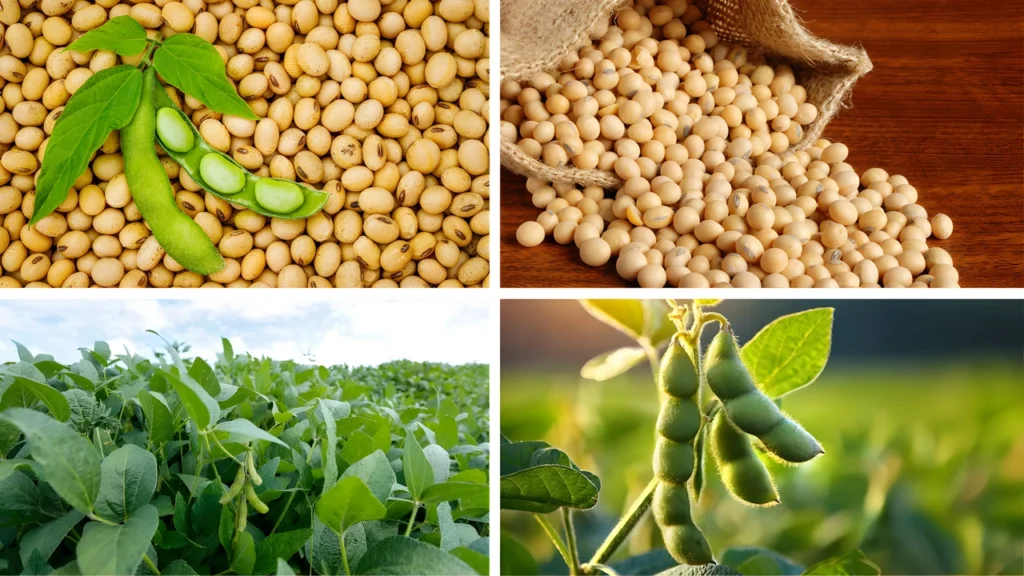
Soybeans have become one of the most important crops in the global agricultural economy. Grown for their high protein content, oil production, and versatility in food and industrial applications, soybeans play a central role in both livestock feed and human consumption. But among all the countries involved in growing this essential crop, which country leads the world in soybean production? This comprehensive guide takes an in-depth look at the top global soybean producer, how they maintain their dominance, and what the future holds for soy farming worldwide.
Understanding global trends in soybean production is essential for farmers, exporters, economists, and policy-makers alike. From trade routes to climate shifts, many factors influence which country leads the world in soybean production—and how long that leadership might last.
1. The Importance of Knowing Which Country Leads the World in Soybean Production
Before diving into the statistics, it’s important to understand why identifying which country leads the world in soybean production matters. Soybeans are not just another cash crop; they are foundational to food security, international trade, and agricultural innovation.
Soybeans are used in:
- Animal feed (especially poultry and swine)
- Vegetable oil
- Tofu, soy milk, and other plant-based products
- Biofuels
- Industrial products like plastics and lubricants
The country that leads the world in soybean production directly influences global food prices, international trade policies, and environmental impacts from large-scale agriculture.
2. Which Country Leads the World in Soybean Production Today?
As of the most recent global data, Brazil currently holds the top position in soybean production, surpassing the United States in recent years. This shift marks a significant change in global agriculture, especially since the U.S. held the top spot for decades.
Key Figures:
- Brazil produced approximately 154 million metric tons of soybeans in the last recorded season.
- The United States follows closely behind with around 117 million metric tons.
- Argentina, China, and India also rank among the top five producers.
Brazil’s rise is driven by its favorable climate, vast arable land, investment in agricultural technology, and growing demand from international markets, particularly China.
3. How Brazil Became the Country That Leads the World in Soybean Production
To understand how Brazil took the lead, we need to examine the strategic choices and natural advantages that allowed it to surpass the United States in this key agricultural sector.
Reasons for Brazil’s Leadership:
- Climate and Growing Season: Brazil has multiple planting seasons due to its tropical and subtropical climates, giving it a production edge.
- Land Availability: The expansion of soy farms, especially in the Cerrado and parts of the Amazon, has boosted output significantly.
- Technological Advancements: Brazil has invested in genetically modified (GM) crops, precision farming, and irrigation systems.
- Export-Driven Growth: With strong trade relationships, especially with China, Brazil’s soybeans are in high international demand.
These factors combined help explain why Brazil now leads the world in soybean production and continues to widen the gap year after year.
4. The United States: Former Leader and Still a Global Soybean Powerhouse
Even though it no longer holds the top position, the United States remains a critical player in global soybean markets. For decades, it was the clear answer to the question, “Which country leads the world in soybean production?”
Strengths of U.S. Soybean Farming:
- Highly Mechanized Farming Systems
- Strong Agricultural Infrastructure
- Government Support and Subsidies
- High Export Volumes to Global Markets
The U.S. maintains a reputation for high-quality soybeans, and its advanced logistics and research capabilities mean it continues to innovate in sustainable and efficient soy farming.
5. Global Table: Which Countries Lead the World in Soybean Production?
The following table gives a snapshot of the top global soybean producers by estimated annual output. It shows the countries that come close in competition and helps identify shifting trends in global agriculture.
| Rank | Country | Annual Soybean Production (Metric Tons) |
|---|---|---|
| 1 | Brazil | 154 million |
| 2 | United States | 117 million |
| 3 | Argentina | 44 million |
| 4 | China | 20 million |
| 5 | India | 14 million |
| 6 | Paraguay | 10 million |
| 7 | Canada | 7 million |
| 8 | Ukraine | 4.2 million |
This table reinforces why Brazil is the definitive answer to the question: which country leads the world in soybean production—by a significant margin.
6. The Environmental Impact of the Country That Leads the World in Soybean Production
Brazil’s leadership in soybean production also comes with scrutiny. Deforestation, particularly in the Amazon and Cerrado biomes, has become a global concern due to soy expansion.
Environmental Issues Linked to Soy Production:
- Loss of Biodiversity: Large-scale monocultures threaten native species.
- Carbon Emissions: Deforestation contributes to climate change.
- Water Usage: Intensive soy farming can strain water resources.
The world watches closely as Brazil balances its position as the country that leads in soybean production with its responsibility toward environmental sustainability. Several NGOs and trade organizations are pushing for more sustainable soy certifications and better land management practices.
7. Trade Wars and Global Politics: How They Affect Which Country Leads the World in Soybean Production
The question of which country leads the world in soybean production is not just about agriculture—it’s deeply tied to global economics and politics.
Recent Developments:
- During the U.S.–China trade war, China increased soybean imports from Brazil to avoid tariffs, boosting Brazil’s dominance.
- Currency fluctuations and shipping logistics also affect competitiveness.
- International trade agreements like MERCOSUR and USMCA influence who can sell soybeans most profitably on the global market.
Trade disputes, tariffs, and diplomatic relations can shift global rankings faster than farming innovations, showing how interconnected food production and global politics truly are.
8. The Future Outlook: Will Brazil Continue to Lead the World in Soybean Production?
Looking ahead, we must ask not only which country leads the world in soybean production now, but who will lead it tomorrow. Brazil is projected to maintain its leadership, but emerging challenges could shift the landscape.
Factors That Could Influence the Future:
- Climate Change: Unpredictable weather patterns could impact yields.
- Sustainability Demands: International buyers may begin to prefer more eco-conscious sources.
- Technological Advancements: Countries like China and India are investing heavily in agricultural tech.
- Land Availability: Expansion may be limited by environmental regulations and land-use conflicts.
While Brazil is poised to retain its lead in soybean production for the near future, long-term leadership will depend on how well it can balance high output with sustainable practices and geopolitical realities.
Final Thoughts: Understanding Which Country Leads the World in Soybean Production and Why It Matters
In conclusion, Brazil currently leads the world in soybean production, a position earned through a combination of favorable growing conditions, technological investment, and strong global demand—especially from China. The United States remains a close second and continues to be a vital player in the global soy market.
Knowing which country leads the world in soybean production is more than a trivia question—it’s a gateway into understanding food security, trade dynamics, climate concerns, and agricultural innovation. As global demand for soy continues to rise due to population growth and the shift toward plant-based diets, the spotlight on leading producers like Brazil will only intensify.
For stakeholders around the globe—from farmers and agronomists to investors and environmentalists—keeping track of these trends is essential. The answer to the question “Which country leads the world in soybean production?” may remain the same for now, but the forces shaping the future of soy farming are constantly evolving.