Join on WhatsApp
Get the latest updates directly on WhatsApp – motivation, news & more!
 Join On WhatsApp
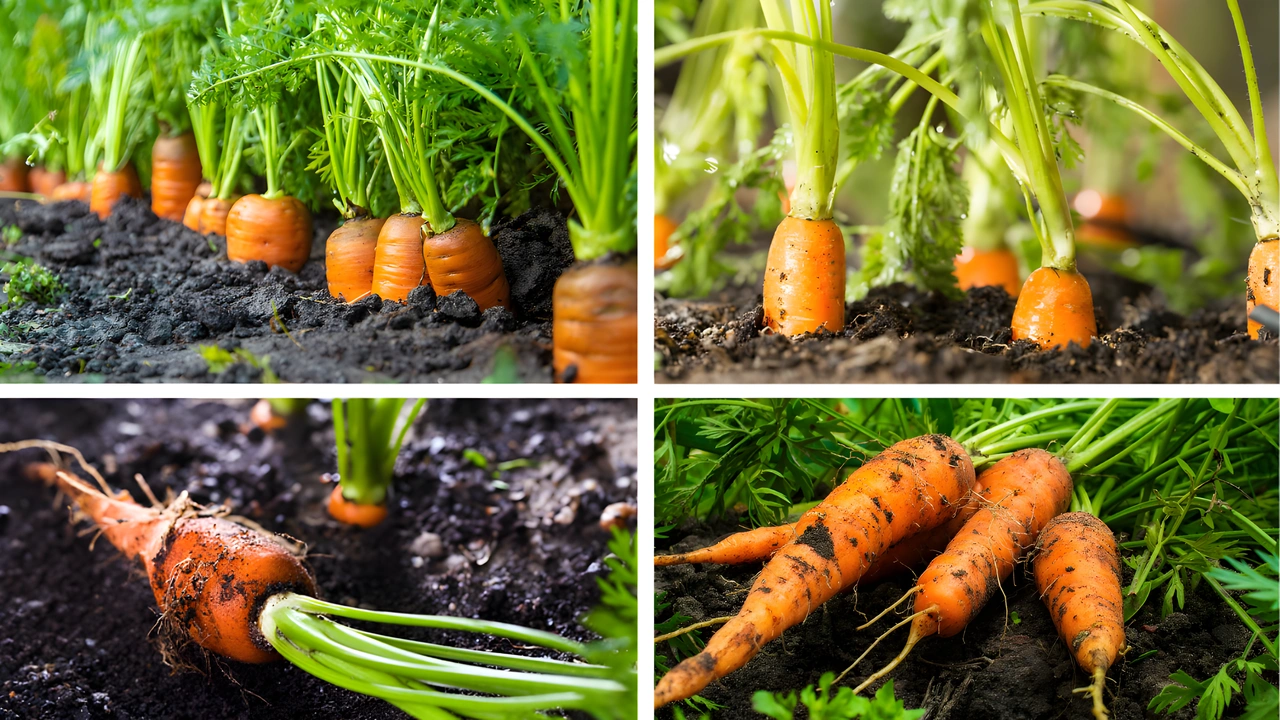
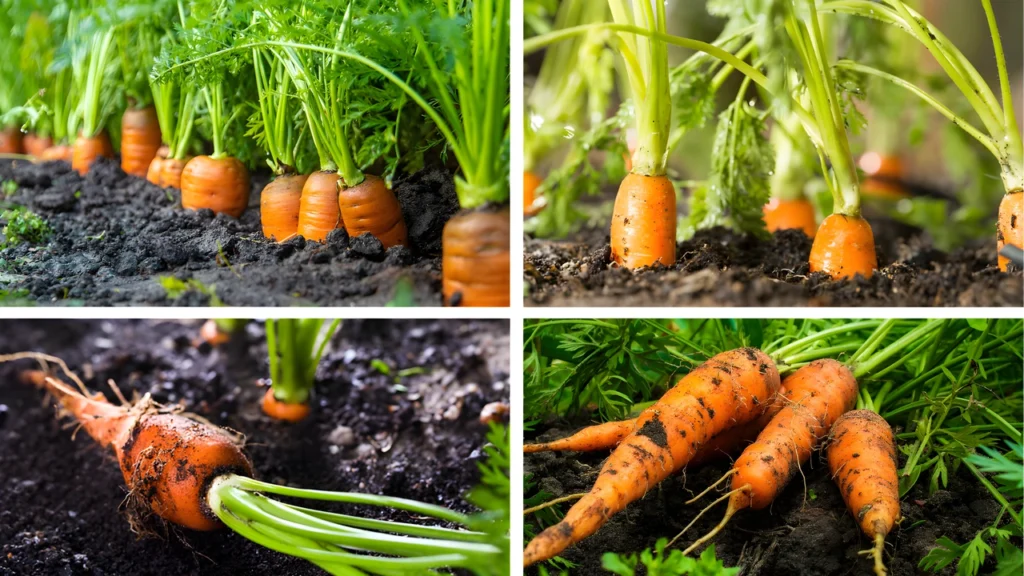
Learning how to grow and care for carrots naturally is one of the most satisfying experiences for any home gardener. Carrots are not only a delicious, crunchy, and nutrient-rich root vegetable—they are also one of the easiest crops to cultivate in an organic garden if given the right conditions. Growing carrots naturally ensures that the roots remain free from chemical fertilizers, pesticides, and synthetic inputs, making them safer for your health and better for the environment. Whether you’re working with raised beds, garden rows, or containers, this complete guide will teach you everything you need to know to plant, nurture, and harvest sweet, homegrown carrots using organic methods.
1. Why Grow and Care for Carrots Naturally in Your Home Garden?
When you grow and care for carrots naturally, you’re committing to more than just gardening—you’re choosing health, sustainability, and flavor. Commercial carrots are often grown with chemical pesticides and synthetic fertilizers, which can linger in the soil and roots. By choosing organic methods, you protect your soil, support biodiversity, and produce clean food.
Naturally grown carrots also tend to have a better taste and firmer texture. They’re richer in nutrients, especially beta-carotene, and their deep roots help loosen compact soil, benefiting nearby plants. Plus, carrots are relatively low-maintenance, making them perfect for organic gardening beginners.
2. How to Grow and Care for Carrots Naturally from Seed to Harvest
To truly understand how to grow and care for carrots naturally, it’s essential to start with organic, untreated seeds. Carrots do not transplant well, so direct seeding is the preferred method in organic gardening.
Steps to Plant Carrots Organically:
- Seed Selection: Choose organic, heirloom carrot varieties like ‘Danvers’, ‘Nantes’, or ‘Scarlet Nantes’.
- Soil Prep: Loosen soil to a depth of 12–15 inches, remove rocks, and mix in compost or well-rotted manure.
- Planting: Sow seeds ¼ inch deep and 1–2 inches apart in rows 12–18 inches apart.
- Thinning: Once seedlings are 2 inches tall, thin them to 2–3 inches apart to give roots room to grow.
Patience is key, as carrots can take 2–3 weeks to germinate. Keep the soil consistently moist during this time for best results.
3. Preparing Organic Soil to Grow and Care for Carrots Naturally
Carrots grow best in deep, loose, and fertile soil. Understanding how to grow and care for carrots naturally means avoiding synthetic soil amendments and focusing on building rich, healthy soil through organic practices.
Organic Soil Tips:
- pH Level: Carrots prefer a soil pH of 6.0–6.8.
- Compost: Add 2–3 inches of compost to enrich the soil with organic matter.
- Avoid Fresh Manure: Use only aged manure, as fresh manure can cause carrots to fork.
- Aeration: Till or double-dig to break up compacted soil and improve drainage.
This soil preparation ensures that your carrots grow straight, long, and free from deformities.

4. Organic Watering and Light Requirements to Grow and Care for Carrots Naturally
Watering and light are essential elements in the process of how to grow and care for carrots naturally. Organic carrots require steady moisture but not overwatering.
Watering Tips:
- Frequency: Water deeply once or twice per week, depending on rainfall.
- Consistency: Keep soil evenly moist to avoid root cracking or splitting.
- Mulch: Apply organic mulch like straw or grass clippings to retain moisture and suppress weeds.
Light Needs:
- Carrots need at least 6 hours of full sun daily for strong root development.
- In hot climates, light afternoon shade can prevent bolting or stress.
Monitoring sunlight and moisture will directly impact the sweetness and crunch of your harvested roots.
5. Natural Pest and Disease Control to Grow and Care for Carrots Naturally
A big part of learning how to grow and care for carrots naturally is knowing how to handle pests and diseases without synthetic chemicals.
Common Pests:
- Carrot Rust Fly: Lay eggs near the soil; larvae damage roots.
- Aphids: Suck sap from leaves, stunting growth.
- Cutworms and Wireworms: Feed on seedlings and young roots.
Organic Solutions:
- Floating Row Covers: Protect seedlings from pests.
- Crop Rotation: Avoid planting carrots in the same spot each year.
- Neem Oil or Insecticidal Soap: Use as a last resort.
Common Diseases:
- Alternaria Leaf Blight
- Powdery Mildew
- Root Knot Nematodes
Prevention:
- Maintain good airflow between rows.
- Water early in the day to allow foliage to dry.
- Improve soil health with compost and proper rotation.
6. Harvesting and Storing When You Grow and Care for Carrots Naturally
Timing and technique matter when you’re learning how to grow and care for carrots naturally. Harvesting too early can yield small carrots, while leaving them in the ground too long can make them woody.
Harvesting Tips:
- Most varieties are ready in 60–75 days.
- Loosen soil gently with a fork before pulling.
- Harvest in the morning when temperatures are cooler for crisp roots.
Storage:
- Short-Term: Store in the refrigerator in a perforated plastic bag.
- Long-Term: Store unwashed carrots in damp sand or sawdust in a cool root cellar.
Because you grew them naturally, your carrots will store longer and taste better without pesticide residues.
7. Table: Organic Checklist for How to Grow and Care for Carrots Naturally
| Task | Organic Method | Frequency |
|---|---|---|
| Seed Selection | Use organic, heirloom seeds | Once per season |
| Soil Prep | Add compost, remove rocks | Before planting |
| Watering | Deep, consistent watering | 1–2 times/week |
| Pest Control | Use row covers, neem oil | As needed |
| Thinning | Remove crowded seedlings | After 2–3 weeks |
| Harvesting | Check maturity, loosen soil | 60–75 days after sowing |
| Storage | Refrigerate or root cellar | After harvest |
This checklist serves as a practical, at-a-glance reference for your organic carrot-growing journey.
8. Organic Companion Plants to Help You Grow and Care for Carrots Naturally
Companion planting enhances your success when you grow and care for carrots naturally. Certain plants can repel pests, attract beneficial insects, or improve soil conditions.
Best Companion Plants for Carrots:
- Onions & Leeks: Deter carrot rust flies.
- Marigolds: Repel nematodes and other soil pests.
- Lettuce: Provides natural shade for carrot seedlings.
- Radishes: Loosen soil quickly, creating space for carrot roots.
Plants to Avoid Near Carrots:
- Dill and Parsley: May stunt carrot growth.
- Potatoes: Compete for nutrients and space.
Smart companion planting is one of the simplest ways to naturally boost carrot health and yield.
9. How to Save Seeds When You Grow and Care for Carrots Naturally
If you’re serious about sustainability and understanding how to grow and care for carrots naturally, seed saving is a must.
Carrots are biennials, meaning they only flower and set seed in their second year. To save seeds:
- Leave a few carrots in the ground over winter (in mild climates), or dig them up and replant in spring.
- Let them flower and form seed heads.
- Once the seeds are dry, cut and store them in a cool, dry place.
This cycle not only ensures that your garden is truly organic—it also promotes regional seed adaptation and food independence.
Final Thoughts: How to Grow and Care for Carrots Naturally the Right Way
Mastering how to grow and care for carrots naturally gives you more than just a delicious root crop—it empowers you to cultivate food in harmony with nature. From seed selection and organic soil preparation to water management, pest control, and sustainable harvesting, every step in this guide is tailored to support the health of your plants, your family, and the planet.
Whether you’re planting your first carrot patch or refining your organic garden strategy, these methods ensure a bountiful harvest of sweet, crunchy roots grown without the use of harmful chemicals. By choosing to grow and care for carrots naturally, you take control of your food source, improve your soil over time, and nurture a garden that thrives season after season.