Join on WhatsApp
Get the latest updates directly on WhatsApp – motivation, news & more!
 Join On WhatsApp
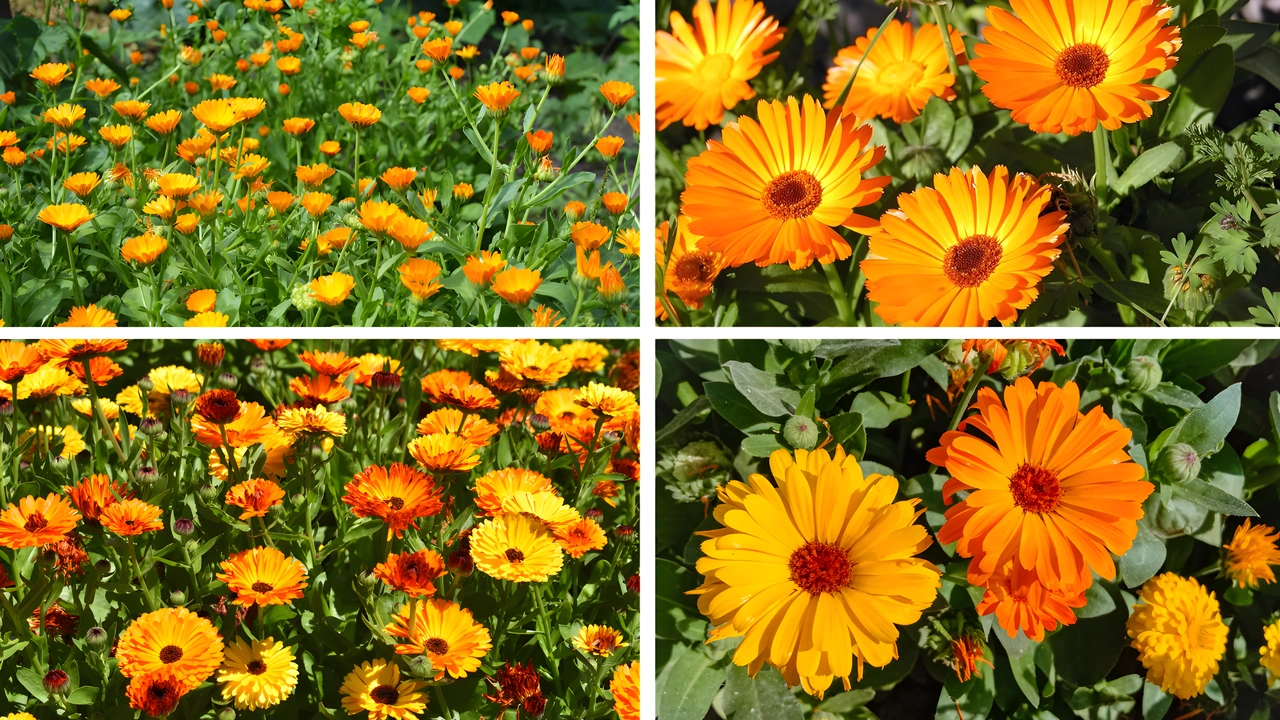
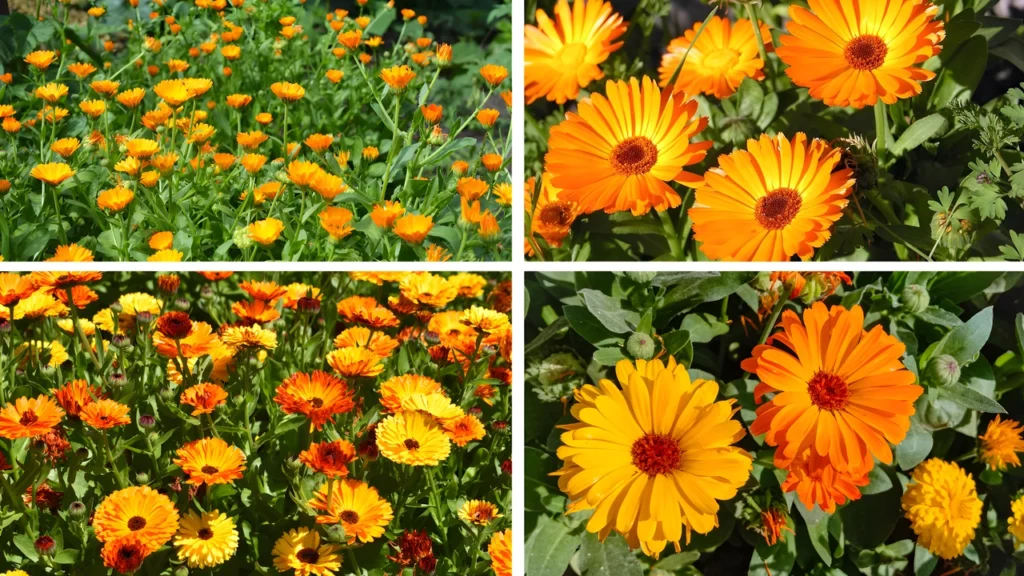
Calendula, also known as pot marigold, is one of the most rewarding and easy-to-grow flowering plants for any organic garden. With its vibrant orange and yellow blooms, this herbaceous annual is not just beautiful—it also offers medicinal benefits, attracts pollinators, and can even repel certain pests. Learning how to grow and care for calendula naturally is essential for gardeners looking to maintain a healthy, eco-friendly garden space that blooms beautifully all season long. In this complete guide, we’ll walk you through every aspect of cultivating calendula organically—from seed selection to soil preparation, watering schedules, natural pest control, harvesting, and beyond.
1. Why Choose to Grow and Care for Calendula Naturally?
Understanding why and how to grow and care for calendula naturally gives you a strong foundation for sustainable gardening. Calendula thrives in organic gardens due to its hardiness and adaptability. Unlike chemically treated plants, organically grown calendula develops stronger roots, more vibrant blooms, and a richer medicinal profile.
Calendula flowers are not only ornamental but also edible and medicinal. Growing them without chemicals ensures they are safe to use in teas, salves, and skincare. Moreover, caring for calendula naturally supports local pollinators like bees and butterflies, which helps maintain ecological balance in your garden.
2. How to Grow and Care for Calendula from Seeds Organically
The journey of how to grow and care for calendula naturally begins with seeds. Calendula seeds are crescent-shaped and easy to handle, making them perfect even for beginner gardeners.
Steps for Organic Seed Starting:
- Timing: Sow calendula seeds in early spring after the last frost or in late summer for fall blooms.
- Soil Preparation: Use well-drained, organically enriched soil. Compost is ideal for providing nutrients naturally.
- Planting: Sow seeds 1/4 inch deep, spacing them 6–12 inches apart.
- Germination: Seeds germinate within 7–10 days in warm soil.
By choosing heirloom or certified organic seeds, you ensure that you’re starting your calendula journey naturally. Avoid any seeds treated with fungicides or pesticides.
3. Creating Ideal Organic Soil to Grow and Care for Calendula Naturally
To grow and care for calendula naturally, soil health is critical. Calendula isn’t particularly picky, but it does best in slightly acidic to neutral soil with good drainage.
Natural Soil Enhancement Tips:
- Compost: Enrich the soil with homemade compost or well-rotted manure.
- Mulch: Use straw, leaf mulch, or grass clippings to retain moisture and suppress weeds.
- Avoid Synthetic Fertilizers: Instead, opt for natural fertilizers like fish emulsion, seaweed extract, or worm castings.
A healthy organic soil base helps calendula establish strong roots and produce vibrant, long-lasting blooms throughout the growing season.
4. Organic Watering and Sunlight Needs to Grow and Care for Calendula Naturally
Proper watering is essential when learning how to grow and care for calendula naturally. Overwatering or poor drainage can lead to root rot, while underwatering may cause stunted growth.
Organic Watering Practices:
- Frequency: Water calendula once or twice a week, depending on rainfall.
- Method: Use a soaker hose or watering can to avoid wetting the foliage.
- Mulching: Organic mulch helps retain moisture and reduces evaporation.
Sunlight Requirements:
Calendula thrives in full sun but can tolerate partial shade. Aim for 6–8 hours of sunlight daily to encourage strong blooms and natural pest resistance.
5. Natural Pest and Disease Management When You Grow and Care for Calendula Naturally
Growing and caring for calendula naturally doesn’t mean your plants won’t face threats—but it does mean you’ll handle them without harmful chemicals.
Common Pests:
- Aphids
- Whiteflies
- Slugs
Natural Solutions:
- Neem Oil Spray: Safe and effective against soft-bodied insects.
- Companion Planting: Grow calendula near tomatoes, beans, and cucumbers to repel harmful pests.
- Beneficial Insects: Attract ladybugs, lacewings, and hoverflies by planting diverse flowers.
Disease Management:
Calendula is relatively disease-resistant, but powdery mildew may appear in humid conditions. Prune affected areas and increase airflow by spacing plants properly.
6. How to Harvest and Use Calendula When You Grow and Care for It Naturally
One of the most satisfying parts of learning how to grow and care for calendula naturally is harvesting the vibrant flowers and putting them to good use.
Harvesting Tips:
- Pick calendula flowers in the morning after dew has dried.
- Use clean shears to snip blooms as they fully open.
- Continue harvesting regularly to encourage more blooms.
How to Use Calendula Naturally:
- Drying: Lay flowers on a mesh screen in a dry, dark place.
- Teas: Use dried petals for calming herbal infusions.
- Salves and Oils: Infuse petals in carrier oils to create natural skin-healing products.
Calendula grown organically ensures any product you make is safe and chemical-free.
7. Year-Round Tips to Grow and Care for Calendula Naturally
Even though calendula is typically grown as an annual, you can extend its presence in the garden year-round with a little planning.
Year-Round Organic Gardening Practices:
| Season | Activity | Organic Method |
|---|---|---|
| Spring | Sow seeds, amend soil | Add compost, mulch beds |
| Summer | Water, harvest, deadhead | Use soaker hoses, neem oil for pests |
| Fall | Collect seeds, prune | Save seeds from organic blooms |
| Winter | Plan garden layout | Rotate crops, compost organically |
Planning ahead helps ensure your next calendula crop is just as healthy and vibrant.
8. Companion Plants to Help You Grow and Care for Calendula Naturally
To truly grow and care for calendula naturally, it’s helpful to understand which plants work well alongside it. Companion planting enhances soil health, deters pests, and improves overall plant vitality.

Best Companion Plants for Calendula:
- Basil: Repels harmful insects.
- Tomatoes: Calendula deters tomato hornworms.
- Cucumbers: Benefits from calendula’s pest-repellent qualities.
- Carrots: Calendula attracts hoverflies, which prey on carrot pests.
Avoid planting calendula near plants prone to powdery mildew to minimize disease spread.
9. Saving Seeds to Continue Growing and Caring for Calendula Naturally
Seed saving is an essential part of the cycle when you grow and care for calendula naturally. It allows you to keep your garden sustainable and self-reliant.
Steps for Organic Seed Saving:
- Let some flowers mature and go to seed on the plant.
- Wait for the seed heads to dry and turn brown.
- Collect seeds and store them in a cool, dry place in paper envelopes.
Using your own saved seeds ensures your calendula remains adapted to your local environment and remains fully organic.
Final Thoughts: Mastering How to Grow and Care for Calendula Naturally
Knowing how to grow and care for calendula naturally offers countless rewards—from a garden full of cheerful, pollinator-friendly blooms to herbal remedies and sustainable beauty products. This complete organic gardening guide gives you everything you need to succeed with calendula, using time-tested, natural methods that support soil health, beneficial insects, and a toxin-free environment.
By following these practices, you ensure your calendula blooms strong, season after season, without relying on synthetic fertilizers or harmful chemicals. Whether you’re new to organic gardening or a seasoned grower, adding calendula to your garden is a powerful step toward a more natural, sustainable, and beautiful lifestyle.