Join on WhatsApp
Get the latest updates directly on WhatsApp – motivation, news & more!
 Join On WhatsApp
Mint is a beloved herb in gardens worldwide, cherished for its fresh aroma, culinary versatility, and ease of growth. But as many gardeners discover, mint can become an aggressive spreader if not carefully managed. Learning how to grow mint the right way is essential if you want to enjoy healthy, vibrant plants without letting mint take over your garden. With a few simple, natural techniques, you can control this vigorous herb, encourage lush growth, and avoid a mint invasion.
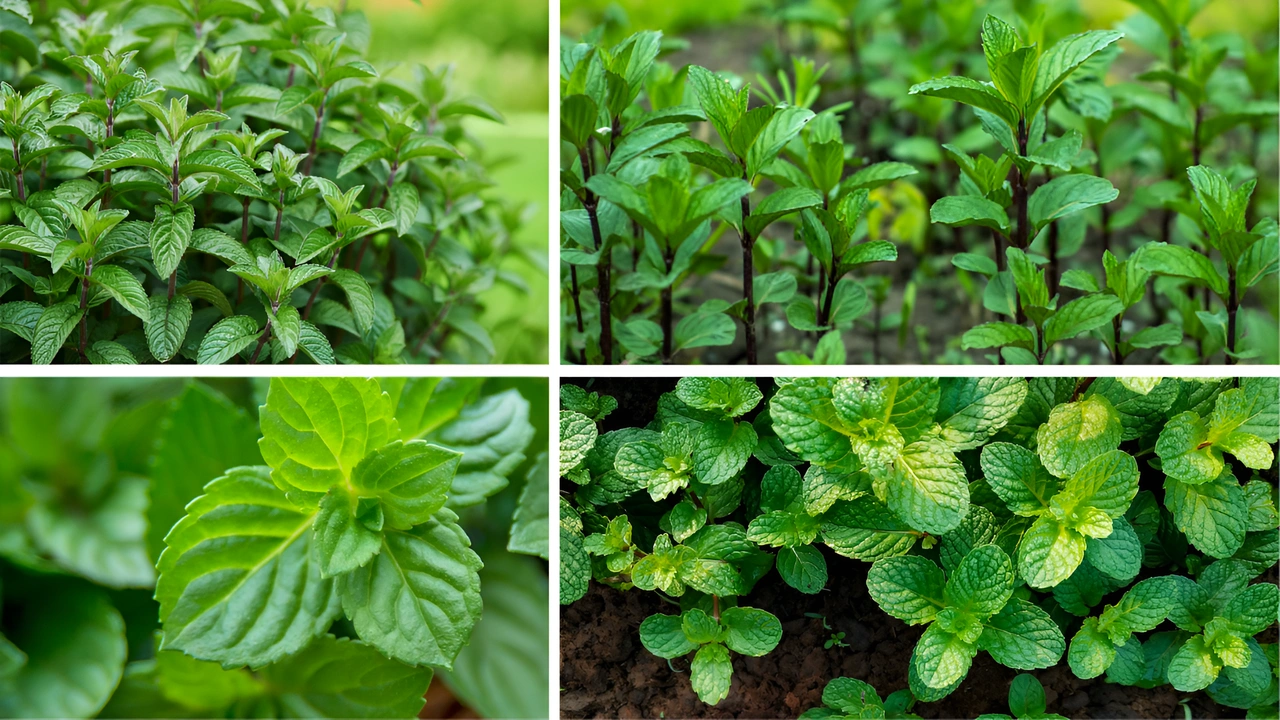
In this guide, we’ll walk you through natural methods to grow mint the right way, from choosing the right planting location to using smart containment strategies. Whether you’re a beginner or an experienced gardener, understanding how mint grows—and how to tame it—can save you from countless hours of frustration and keep your garden thriving in balance.
Understanding Mint’s Growth Habits: Why Growing Mint the Right Way Matters
Before exploring how to grow mint the right way, it’s important to understand why mint takes over gardens so easily. Mint (Mentha spp.) is a hardy perennial herb that spreads through underground stems called rhizomes. These rhizomes grow horizontally, sending up new shoots as they go. This makes mint highly invasive if left unchecked.
Mint’s ability to thrive in various conditions—partial shade, full sun, moist soil, even poor soil—makes it a garden survivor. But that adaptability comes at a cost: once established, mint can quickly dominate beds, choke out other plants, and escape borders.
That’s why growing mint the right way involves natural containment, thoughtful placement, and regular maintenance. Understanding this invasive nature is your first step in growing mint without it taking over your garden.
Choosing the Right Location to Grow Mint Without Letting It Take Over
One of the most effective strategies to grow mint the right way is site selection. The best place to plant mint is in an area where it can thrive without invading neighboring beds. Avoid planting mint directly in open garden soil unless you have physical barriers in place.
Here are simple, natural placement options for growing mint the right way:
- Raised beds with edging: A raised bed with solid edging can help keep the roots in check.
- Patio containers or pots: Container gardening is the easiest way to grow mint without letting it take over your garden.
- Isolated corners: Choose a tucked-away corner where mint has room to spread without interfering with other plants.
Remember, choosing the right place to grow mint is not just about sunlight and soil—it’s about controlling how far it can reach.
Natural Containment Methods to Grow Mint the Right Way
If you want to grow mint the right way without sacrificing your entire garden, containment is key. Mint spreads fast, but you can control it naturally with smart gardening tactics that don’t require plastic or synthetic solutions.

Here are some natural containment techniques that help you grow mint the right way:
- Container-in-ground method: Bury a large, bottomless pot into your garden soil and plant mint inside. The pot prevents rhizomes from spreading outward.
- Terracotta pots above ground: Growing mint in clay pots placed on patios or raised surfaces ensures full control.
- Root barrier edging: Install a deep, physical edging (at least 12 inches deep) to block rhizomes.
- Grow in hanging baskets: A beautiful way to grow mint the right way without giving it room to escape.
These natural methods allow you to enjoy thriving mint plants without letting them take over your garden.
Best Soil and Watering Practices to Grow Mint the Right Way
Growing mint the right way also requires understanding its soil and water preferences. Mint loves moist, well-drained soil with a slightly acidic to neutral pH (6.0–7.0). It thrives when given regular water, especially during hot or dry weather.
To grow mint the right way:
- Use compost-rich soil: Adding compost improves moisture retention and provides nutrients naturally.
- Avoid letting soil dry out: Keep the soil consistently damp, but not soggy.
- Mulch naturally: Use straw or bark mulch around the base to retain moisture and suppress weeds.
- Use rainwater when possible: It’s chlorine-free and supports healthy root development.
By caring for the soil and water needs of your mint plants, you’ll encourage lush growth without relying on chemical inputs.
Pruning and Harvesting: Essential Steps to Grow Mint the Right Way
A big part of learning how to grow mint the right way is knowing when and how to prune it. Mint thrives when it’s regularly harvested. If left alone, it becomes leggy, woody, and uncontrollable.
To grow mint the right way through pruning:
- Trim often: Cut back stems regularly, ideally once every 2–3 weeks during the growing season.
- Pinch flower buds: If you see flowers forming, pinch them off to encourage more leafy growth.
- Harvest early: Morning is the best time to harvest mint for peak flavor and oil content.
- Cut above leaf nodes: This encourages bushier regrowth.
Regular pruning keeps mint healthy, manageable, and flavorful—without letting it take over your garden.
Seasonal Care Tips to Grow Mint Without Letting It Take Over
Mint may be a hardy plant, but it still benefits from seasonal care practices. Knowing how to adjust your approach through the year ensures you grow mint the right way and prevent seasonal overgrowth.

- Spring: Start fresh by trimming old growth and checking for rhizome spread. Divide root clumps if needed.
- Summer: Monitor water levels closely and prune frequently to avoid flowering and seed spread.
- Fall: Cut back the plant to just above soil level. Compost the clippings or dry them for tea.
- Winter: Mint may go dormant in cold climates. Keep containers sheltered and avoid overwatering.
These seasonal adjustments help you grow mint the right way year-round, keeping it both productive and contained.
Table: Natural Methods to Grow Mint the Right Way Without Letting It Take Over
| Technique | Purpose | Best Time to Apply |
|---|---|---|
| Container Gardening | Prevents root spread entirely | All year |
| Bottomless Pot in Ground | Controls underground rhizome invasion | At planting time |
| Deep Root Barriers | Blocks horizontal growth under soil | When creating garden beds |
| Frequent Harvesting | Promotes bushy growth, discourages spreading | Spring through fall |
| Removing Flower Buds | Prevents seeding and unwanted spread | Late spring and summer |
| Dividing Root Clumps | Keeps growth in check and rejuvenates plants | Early spring or fall |
| Seasonal Pruning | Controls size and maintains plant health | End of each growing season |
Companion Planting to Grow Mint the Right Way Without Harmful Spread
Another smart, natural method to grow mint the right way is using companion planting. This technique places mint near plants that either benefit from its pest-repellent properties or serve as natural boundaries.
- Good companions: Cabbage, kale, broccoli, and tomatoes may benefit from mint’s strong scent, which deters pests like aphids and cabbage moths.
- Bad companions: Herbs like basil or parsley should not be planted near mint, as mint can easily overpower them.
Use dense-rooted companions or rocks as natural mint barriers. Companion planting is a great way to grow mint the right way and enrich your garden biodiversity without letting mint take over your garden.
Troubleshooting Common Problems When Growing Mint the Right Way
Even when you grow mint the right way, you may face occasional issues. Here’s how to solve common mint-growing problems naturally without letting things spiral out of control.
- Mint rust (fungus): Remove infected leaves and improve air circulation. Avoid overhead watering.
- Leggy growth: Cut plants back to 2–3 inches to encourage new, bushier shoots.
- Yellowing leaves: This could be from overwatering or poor drainage. Adjust watering schedule and improve soil aeration.
- Root rot in containers: Ensure containers have drainage holes and avoid standing water.
Solving these problems early ensures you continue to grow mint the right way—with lush, healthy plants that don’t take over your garden.
Conclusion: Grow Mint the Right Way and Keep Your Garden in Balance
Mint is a fragrant, fast-growing, and beneficial herb—but only when kept under control. The secret to enjoying all that mint has to offer lies in learning how to grow mint the right way using simple, natural methods that prevent it from taking over your garden. From choosing the right location and using physical barriers, to harvesting regularly and applying seasonal care, every step you take plays a part in controlling mint’s rapid growth.
Growing mint the right way doesn’t require chemicals or complex tools—just awareness, consistency, and a few smart gardening habits. By following the tips outlined in this guide, you can grow mint confidently and sustainably, keeping your herb garden productive, balanced, and beautifully under control. Whether you’re growing in a small pot or a large raised bed, you now have the tools to enjoy mint’s many benefits without ever letting it take over your garden.