Join on WhatsApp
Get the latest updates directly on WhatsApp – motivation, news & more!
 Join On WhatsApp
Growing and caring for lotus plants naturally is one of the most rewarding experiences for anyone interested in water gardening or ornamental pond landscapes. These ancient aquatic flowers are not only beautiful but also deeply symbolic in many cultures, representing purity, resilience, and rebirth. Whether you’re planting lotus in a backyard pond, container garden, or water bowl on your patio, it’s essential to understand how to grow and care for lotus plants naturally without synthetic fertilizers or harmful chemicals. This complete beginner’s guide will walk you through everything from choosing the right variety to maintaining healthy lotus blooms and water conditions using organic and sustainable methods.
Choosing the Right Variety to Grow and Care for Lotus Plants Naturally
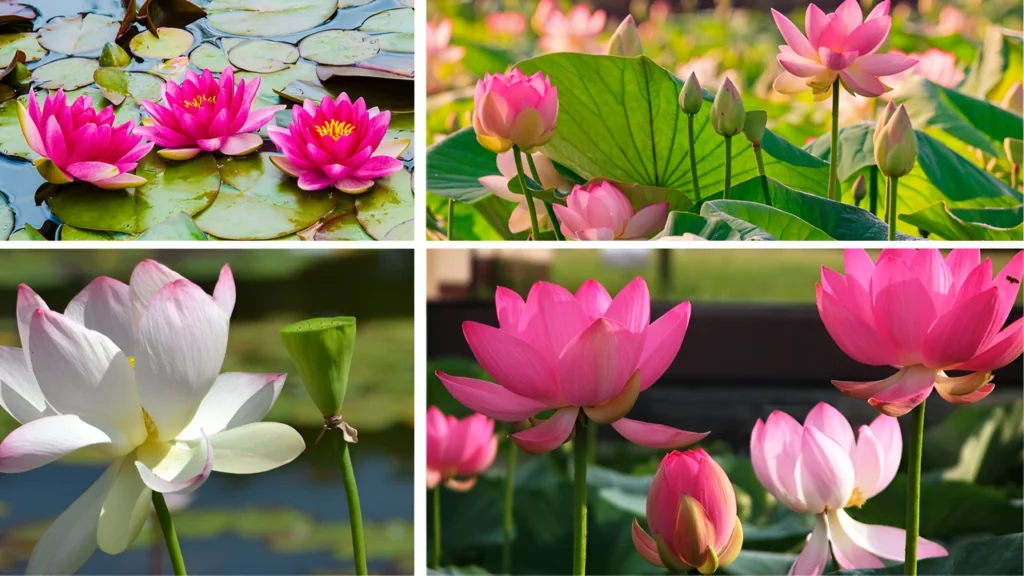
Before you start, selecting the right type of lotus plant is crucial for successful growth. There are two main types: Nelumbo nucifera (sacred lotus) and Nelumbo lutea (American yellow lotus). Both are aquatic perennials, but they differ in bloom size, color, and hardiness zones.
When learning how to grow and care for lotus plants naturally, always consider your climate. Tropical varieties require warmer temperatures, while hardy varieties can survive mild winters. Dwarf lotus varieties are excellent for container gardening, whereas larger types thrive best in ponds. Choose organic-certified tubers from reputable sources to ensure the plant hasn’t been treated with chemical preservatives.
Preparing Soil and Containers for Natural Lotus Plant Care
One of the most overlooked steps in learning how to grow and care for lotus plants naturally is soil preparation. Lotus plants grow best in heavy clay loam soil, which supports the roots and holds nutrients well. Avoid using commercial potting mixes, as they may contain peat or other organic matter that floats and clouds the water.
To grow lotus plants naturally, fill a wide, shallow container (about 6–8 inches deep) with about 4 inches of clean clay soil. Make a small indentation and place the lotus tuber horizontally with the growing tips facing up. Cover lightly with soil and add just enough water to submerge the soil without displacing it.
Avoid synthetic fertilizers—opt instead for natural amendments like compost tea, aged cow manure, or organic pond tabs designed for aquatic plants. This approach ensures that you grow and care for lotus plants naturally, without upsetting the pond’s delicate ecosystem.
Water Conditions and Temperature for Growing Lotus Plants Naturally
Water quality and temperature are vital when growing and caring for lotus plants naturally. Lotus plants thrive in warm water, ideally between 75°F and 85°F (24°C–29°C). Place your container or pond in a sunny location that receives at least 6–8 hours of direct sunlight daily.
If you’re using tap water, allow it to sit for 24–48 hours to dechlorinate before adding it to your lotus container. Natural rainwater is even better, as it’s free of chemicals and supports the natural ecosystem needed to grow and care for lotus plants naturally.
Keep the water level consistent, especially during the growing season. If you’re growing lotus in a container, add water gradually to allow the leaves to rise without drowning the plant. Always avoid using algaecides or chemical treatments in the water, as they can harm the lotus and other aquatic life.
Natural Methods for Feeding and Supporting Healthy Lotus Blooms
When learning how to grow and care for lotus plants naturally, feeding is a key component. However, it’s important to strike a balance. Over-fertilization—especially with synthetic products—can lead to poor flower development and excessive foliage.

Instead, use organic slow-release aquatic fertilizer tabs made from fish meal, kelp, or bone meal. Apply once every 3–4 weeks during the active growing season, usually from late spring to mid-summer. Alternatively, you can top-dress the soil with composted cow manure or worm castings.
If you’re growing lotus in a pond with fish, the fish waste often provides enough nutrients for the plants. This is a symbiotic way to grow and care for lotus plants naturally, allowing the entire pond ecosystem to support itself.
Preventing Pests and Disease Naturally in Lotus Plant Care
A major concern for those wanting to grow and care for lotus plants naturally is pest and disease control. Common pests like aphids, caterpillars, and leaf miners can cause damage, especially in mid to late summer.
Instead of reaching for chemical pesticides, try these natural pest control strategies:
- Spray diluted neem oil on the leaves (avoid getting it into the water).
- Introduce beneficial insects like ladybugs or lacewings to control aphid populations.
- Use a strong stream of water to rinse pests off the leaves in the early morning.
- Remove dead or decaying leaves regularly to prevent fungal growth and promote healthy blooms.
Diseases like rot or mildew can be avoided by ensuring proper air circulation, sunlight exposure, and maintaining clean water. Consistently applying these natural practices helps ensure you grow and care for lotus plants naturally without harming their environment.
Seasonal Care Tips for Lotus Plants in Natural Gardening
Knowing how to grow and care for lotus plants naturally also involves understanding their seasonal cycles. Lotus plants go dormant in the winter and need special care to survive cold weather, especially in temperate zones.
Spring: As temperatures warm, remove any protective coverings and allow the lotus to wake naturally. Begin watering and feeding gradually.
Summer: This is the peak blooming season. Continue to monitor water levels, feed organically, and remove spent flowers to encourage new blooms.
Fall: Stop feeding by early fall to help the plant prepare for dormancy. Begin to cut back yellowing foliage.
Winter: If you live in a colder climate (zones 4–7), bring container lotus indoors or submerge them below the freeze line in a pond. Don’t feed or disturb the plant during this time.

By aligning your seasonal activities with nature, you grow and care for lotus plants naturally and respectfully, honoring their lifecycle without artificial interference.
Table: Summary of How to Grow and Care for Lotus Plants Naturally
| Step | Natural Approach | Tips for Beginners |
|---|---|---|
| Select Variety | Choose hardy or tropical; organic tubers | Start with dwarf lotus |
| Soil Preparation | Use clay loam or heavy garden soil | Avoid peat or potting mix |
| Container Setup | Wide and shallow with no drainage holes | 6–8 inches deep is ideal |
| Water Management | Dechlorinated or rainwater | Keep in full sun |
| Natural Fertilizing | Compost tea, organic tabs, aged manure | Fertilize every 3–4 weeks |
| Pest Control | Neem oil, ladybugs, strong water spray | Avoid chemical sprays |
| Winter Dormancy | Store tubers or submerge in deep pond | No feeding during dormancy |
Propagating Lotus Plants Naturally for Beginners
If you wish to expand your lotus collection, propagating them is an exciting part of learning how to grow and care for lotus plants naturally. The most reliable method is by dividing tubers in early spring when they’re emerging from dormancy.
To propagate:
- Carefully remove the tuber from the soil.
- Inspect for healthy growth tips (called “eyes”).
- Cut sections ensuring each has at least one eye and no damage.
- Replant immediately in fresh soil and water, following the natural steps outlined earlier.
Avoid using synthetic rooting hormones. Instead, rely on healthy soil and warmth to stimulate natural root growth. This organic method ensures strong, resilient plants and allows you to grow and care for lotus plants naturally while multiplying your stock over time.
Using Lotus Plants to Enhance Natural Water Gardens
Beyond their beauty, lotus plants play a functional role in natural water gardens. Their large leaves provide shade, reducing algae growth, while their roots help filter and oxygenate the water. When you grow and care for lotus plants naturally, you’re contributing to a balanced aquatic environment.
You can pair lotus plants with native aquatic companions like water lilies, pickerelweed, and cattails to create a thriving mini-ecosystem. Adding fish like koi or goldfish can further boost water health by managing mosquito larvae and fertilizing the lotus naturally.
When designed mindfully, a natural water garden centered around lotus creates a peaceful sanctuary for you and a safe haven for local wildlife. This synergy is at the heart of what it means to grow and care for lotus plants naturally.
Conclusion: Mastering the Art of How to Grow and Care for Lotus Plants Naturally
To truly understand how to grow and care for lotus plants naturally is to develop a respectful relationship with nature. From choosing the right variety and using natural soil, to managing water conditions and encouraging blooms with organic methods, each step reinforces a holistic and eco-friendly approach. Caring for lotus plants is not just about aesthetics—it’s about sustainability, patience, and mindfulness. Whether you’re nurturing a single dwarf lotus on your balcony or creating an entire natural pond ecosystem, the principles remain the same: observe, respect, and support your lotus plants using only what nature provides. With this guide, even beginners can achieve thriving blooms and healthy water gardens—all through natural, organic, and sustainable care.