Join on WhatsApp
Get the latest updates directly on WhatsApp – motivation, news & more!
 Join On WhatsApp
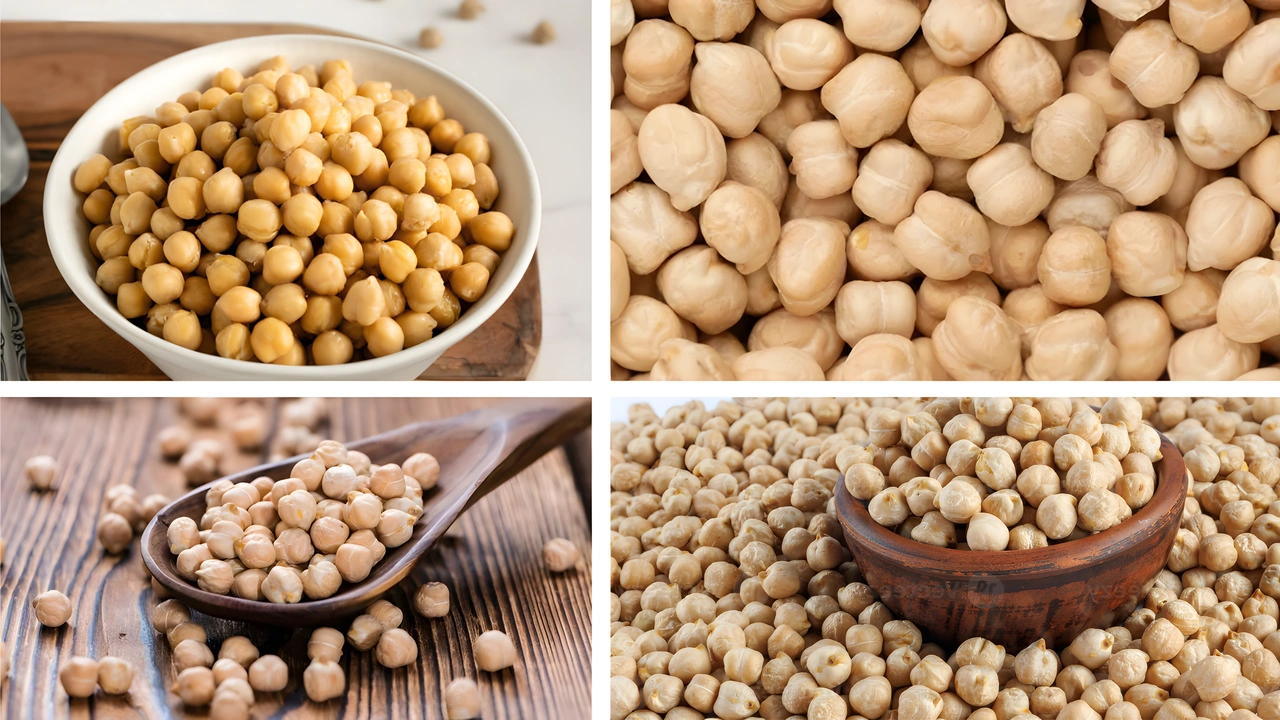
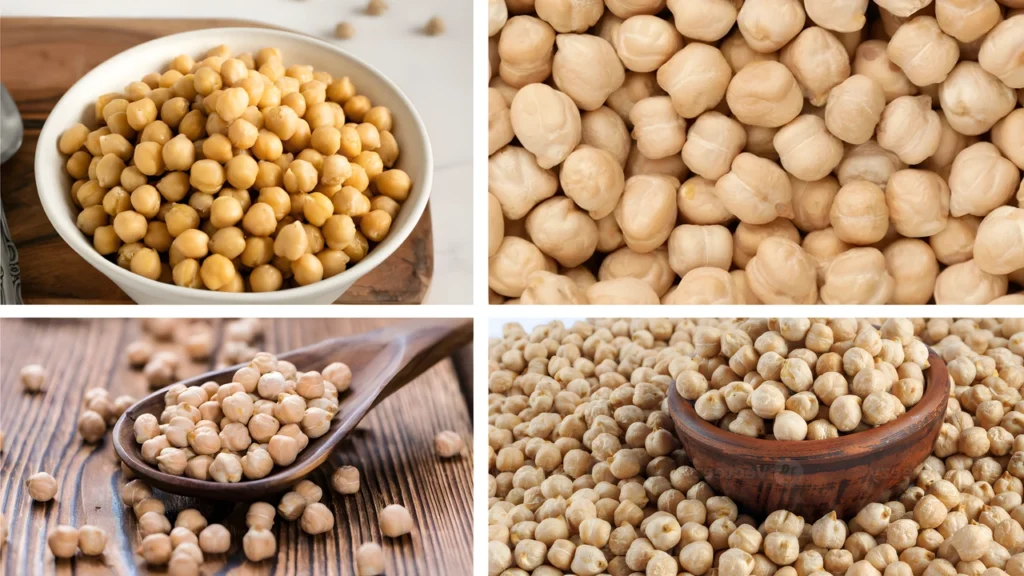
Chickpeas, also known as garbanzo beans, are one of the most important legume crops in the world. Grown primarily for their high protein content and versatility in cooking, chickpeas are a staple in various cuisines including Indian, Mediterranean, and Middle Eastern. But as global demand rises, a question worth exploring is: which country leads the world in chickpea production and why it dominates the global market? In this article, we’ll explore the top producer of chickpeas globally, the reasons behind its agricultural success, and how its dominance influences the international market for this nutrient-rich legume.
The Global Importance of Chickpea Production
To understand which country leads the world in chickpea production, we must first appreciate the growing importance of this crop in global food systems. Chickpeas are a major source of plant-based protein, fiber, and essential nutrients. With the rise of vegan and vegetarian diets, chickpeas have become central to health-conscious consumers around the world.
Moreover, chickpeas are not just consumed directly. They’re used in making hummus, flour (gram flour or besan), and various processed food products. Chickpeas are also increasingly being used in gluten-free and plant-based meat alternatives. As this trend continues, the pressure to grow and export chickpeas efficiently has become a global priority. This puts the spotlight on the countries that dominate production—and one country, in particular, stands out.
India: The Country That Leads the World in Chickpea Production
When we talk about which country leads the world in chickpea production, the answer is clear and consistent year after year: India. India produces more chickpeas than any other country in the world—by a wide margin. It not only grows chickpeas on the largest scale but also has a deep cultural, culinary, and agricultural connection to the crop.
According to data from global agricultural reports (as of 2024 estimates), India is responsible for over 65-70% of the total global chickpea production. This staggering figure explains why India dominates the global market in chickpeas.
There are several reasons why India leads chickpea production:
- Ideal climatic conditions: India’s dryland farming regions are perfectly suited for chickpea cultivation.
- Massive land use: Millions of hectares are devoted to chickpeas, particularly in states like Madhya Pradesh, Maharashtra, and Rajasthan.
- High domestic demand: Chickpeas are a staple in Indian cuisine, driving internal demand that fuels continuous production.
- Government support: Policies, subsidies, and agricultural research support chickpea farming at every level.
Why India Dominates the Global Chickpea Market
Beyond production numbers, what truly sets India apart is why it dominates the global market for chickpeas. India’s dominance isn’t just about growing the most; it’s about shaping global supply and demand.
Key factors behind India’s market dominance:
- Export Power: Although a significant portion of chickpeas is consumed domestically, India still ranks among the top exporters, especially to the Middle East, Europe, and North America.
- Varietal Diversity: India cultivates both Desi and Kabuli varieties of chickpeas, allowing for a wider export range.
- Processing Infrastructure: India has extensive processing units that clean, sort, and package chickpeas to meet international standards.
- Cultural Export: With a large Indian diaspora worldwide, demand for Indian chickpea varieties is high in countries like the UK, US, Canada, and Australia.
This unique combination of quantity, variety, and cultural influence explains why India dominates the global chickpea market.
Other Countries Competing in Chickpea Production
Although India leads, several other countries play significant roles in the global chickpea supply chain. When looking at which country leads the world in chickpea production, India stands alone at the top, but competition is growing.
Key competitors include:
- Australia: The second-largest producer globally, with a strong export focus.
- Turkey: Known for high-quality Kabuli chickpeas and a key regional supplier.
- Pakistan: Shares similar climatic conditions with India and has growing production.
- Myanmar and Ethiopia: Emerging as significant players due to increasing investment in legume farming.
These countries are closing the gap by leveraging modern farming techniques, export agreements, and high-yield chickpea varieties. However, none have yet challenged India’s dominance at scale.
Table: Global Chickpea Production by Country (Estimated 2024 Data)
| Rank | Country | Annual Production (Million Metric Tons) | Market Share (%) | Primary Variety |
|---|---|---|---|---|
| 1 | India | 11.2 | 69% | Desi & Kabuli |
| 2 | Australia | 0.9 | 5.5% | Kabuli |
| 3 | Turkey | 0.7 | 4.3% | Kabuli |
| 4 | Pakistan | 0.6 | 3.7% | Desi |
| 5 | Myanmar | 0.4 | 2.5% | Desi |
| 6 | Ethiopia | 0.3 | 1.8% | Desi & Kabuli |
| — | Global Total | 16.2 | 100% | — |
As shown, India’s production is not only highest but also dominates by a wide margin. The data illustrates clearly which country leads the world in chickpea production and how that production supports dominating the global market.
The Economic Impact of Leading the World in Chickpea Production
India’s position as the country that leads the world in chickpea production has a significant economic impact. It supports millions of livelihoods—from small-scale farmers to traders and exporters. Chickpea farming contributes heavily to rural income and food security across multiple Indian states.
Furthermore, global market dominance allows India to set competitive prices, influence supply chains, and attract international trade agreements. When demand for chickpeas spikes due to crop failures in other countries or rising global trends (such as plant-based diets), Indian producers are well-positioned to capitalize.
Challenges Faced by the Leading Chickpea-Producing Country
Even though India currently leads in chickpea production and dominates the global market, it does face several challenges:
- Climate change and erratic weather: Droughts and unseasonal rains can significantly affect yields.
- Soil depletion: Intensive farming without adequate soil management reduces long-term fertility.
- Global competition: Australia and Turkey are investing in technology and expanding exports.
- Price volatility: Global market shifts can impact profit margins for farmers.
Addressing these challenges is critical to maintaining India’s position as the answer to which country leads the world in chickpea production and why it dominates the global market.
Future Outlook: Will India Continue to Dominate?
Looking ahead, India shows no signs of losing its position at the top of chickpea production. With investments in better irrigation, improved seed varieties, and government-backed agricultural schemes, the country is preparing to scale production even further.
Moreover, as international markets grow more health-conscious and turn to legumes like chickpeas for protein, India’s export potential will likely increase. If domestic policies continue to support farmers and exporters, India is well-positioned to maintain its status as the country that leads the world in chickpea production and continues to dominate the global market.
Conclusion: Which Country Leads the World in Chickpea Production and Why It Dominates the Global Market
In conclusion, the answer to which country leads the world in chickpea production and why it dominates the global market is clear: India. With over two-thirds of global production, robust domestic demand, and a growing export network, India has established itself as the undisputed leader in chickpea cultivation. Its dominance stems from a combination of ideal growing conditions, cultural integration, and economic infrastructure.
While other countries like Australia, Turkey, and Ethiopia are increasing their production and improving quality, they still trail far behind in both scale and market influence. For now, and likely into the foreseeable future, India remains the global powerhouse of chickpea production—both in quantity and in impact on the international market.