Join on WhatsApp
Get the latest updates directly on WhatsApp – motivation, news & more!
 Join On WhatsApp
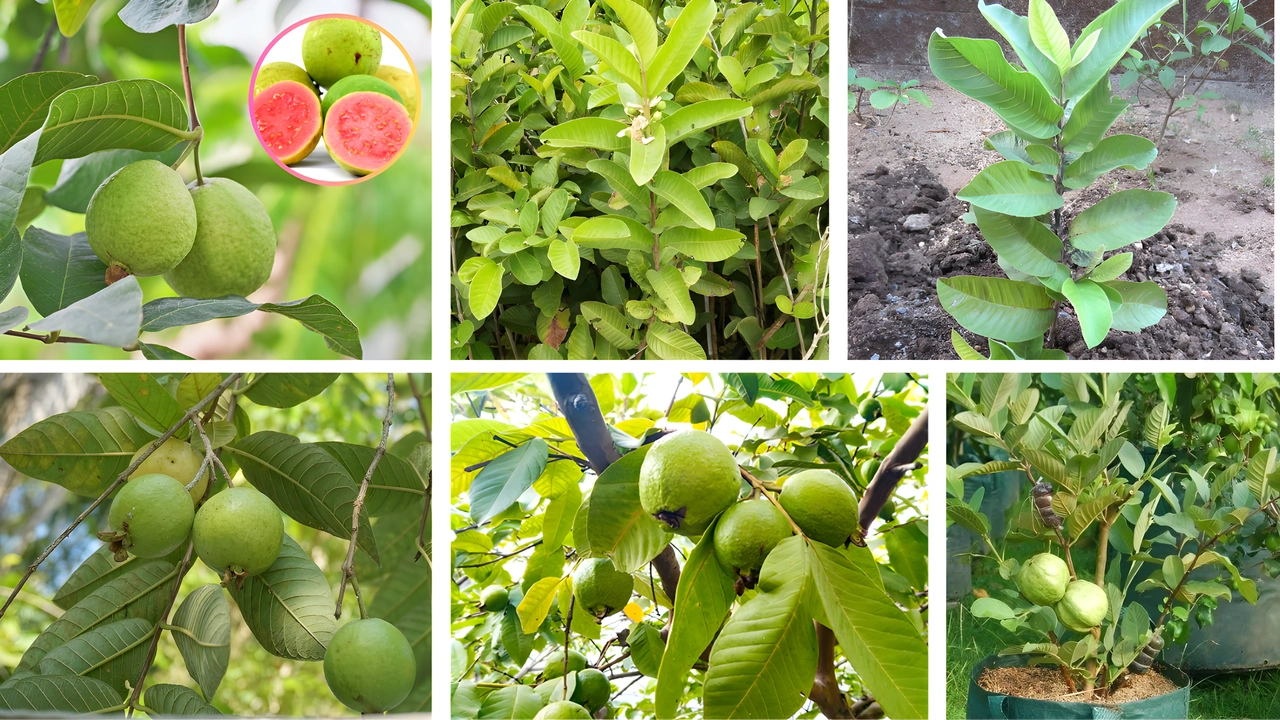
Growing your own guava plants at home is an incredibly rewarding journey for beginners who wish to enjoy sweet, organic fruit all year round. Guava, known for its tropical flavor and rich nutritional value, is a hardy, fast-growing fruit tree that adapts well to different climates and growing conditions. Whether you’re planting guava in your backyard or in containers on your balcony, this guide will take you step-by-step through how to grow and care for guava plants at home — so you can enjoy fresh, homegrown guavas throughout the year. From selecting the right variety to pruning and pest control, every section of this guide is crafted to help beginners succeed in their home gardening journey.
1. Understanding Guava Plants and Why to Grow Them at Home
Before learning how to grow and care for guava plants at home, it’s important to understand the nature of guava trees and why they are ideal for home gardeners. Guava (Psidium guajava) is a tropical and subtropical fruit tree native to Central America, but it’s now cultivated in many parts of the world due to its adaptability and low-maintenance needs. Guava plants can thrive in containers, raised beds, or directly in the ground, making them suitable for both small and large home gardens.
Growing guava at home gives you access to sweet, organic fruit free from harmful chemicals. Rich in Vitamin C, fiber, and antioxidants, guava is not only tasty but also highly nutritious. With proper care, guava trees can begin to bear fruit within 2–4 years and continue producing throughout the year, especially in warm climates.
2. Choosing the Right Variety of Guava to Grow at Home
A key step in how to grow and care for guava plants at home is selecting the right variety that suits your climate and space. There are several types of guava, each offering different fruit sizes, flavors, and growth habits.
| Guava Variety | Fruit Characteristics | Best For |
|---|---|---|
| Apple Guava (Psidium guajava) | Sweet, round, green skin | General home gardens |
| Strawberry Guava (Psidium cattleianum) | Small, red, tart fruit | Container growing |
| Lemon Guava | Yellow skin, mild citrus flavor | Warm, dry regions |
| Thai White Guava | Large, white flesh, crunchy | Tropical zones |
Beginners are encouraged to choose dwarf or container-friendly guava varieties like Strawberry Guava, especially if space is limited. These varieties are easy to grow and care for at home and produce consistently sweet, organic fruit all year round.
3. Planting Guava Plants at Home: Step-by-Step Guide for Beginners
Understanding how to grow guava plants at home begins with proper planting techniques. Whether you’re starting from seed or buying a young plant, the following steps will set a strong foundation:
- Location: Choose a sunny spot with at least 6-8 hours of direct sunlight daily.
- Soil: Use well-drained, loamy soil rich in organic matter. Slightly acidic to neutral pH (5.5 to 7) is ideal.
- Container Growing: Use a large pot (18–24 inches) with drainage holes for container guava. Add a layer of gravel or stones at the bottom to enhance drainage.
- Spacing: If planting multiple trees in the ground, space them at least 6–10 feet apart to allow air circulation.
- Watering After Planting: Water deeply after planting to help roots establish. Keep soil moist but not soggy.
Following this beginner-friendly guide to planting guava plants at home helps ensure healthy root development and vigorous growth from the start.
4. How to Care for Guava Plants at Home Throughout the Year
Once your guava plant is in the ground or container, ongoing care is essential to ensure it thrives and produces sweet, organic fruit all year round. Beginners should follow these simple practices to care for guava plants at home:
Watering
- Guava plants need regular watering, especially during dry months.
- Water 2–3 times a week for young plants; reduce once established.
- Avoid overwatering, especially in containers.
Mulching
- Apply organic mulch around the base to retain moisture, regulate temperature, and suppress weeds.
- Keep mulch 2–3 inches away from the trunk to prevent rot.
Feeding/Fertilization
- Use a balanced organic fertilizer (such as 10-10-10) every 2 months during the growing season.
- Supplement with compost or worm castings to boost nutrients naturally.
By consistently watering, feeding, and mulching, even beginners can grow guava plants at home that remain healthy and fruitful throughout the year.
5. Pruning and Training Guava Plants for Better Fruit Production at Home
Pruning is a crucial yet often overlooked part of how to grow and care for guava plants at home. Regular pruning helps shape the tree, improves airflow, and encourages better fruiting.
Pruning Tips for Beginners
- Prune in late winter or early spring before new growth begins.
- Remove dead, weak, or crossing branches.
- Maintain an open center to let light penetrate the canopy.
- Cut back tall vertical growth to keep the plant compact, especially in containers.
For those growing guava at home in limited space, training the plant into a bushy shape not only makes it easier to manage but also enhances fruit quality.
6. Protecting Guava Plants from Pests and Diseases at Home Organically
To grow and care for guava plants at home naturally, it’s important to monitor for pests and diseases while avoiding chemical treatments. Organic control methods are both effective and safe for homegrown fruit.
Common Pests
- Fruit Flies: Trap using vinegar or sugar-water traps.
- Aphids and Mealybugs: Spray with neem oil or insecticidal soap.
- Scale Insects: Wipe leaves with a soft cloth dipped in diluted alcohol.
Common Diseases
- Anthracnose (fruit rot): Improve air circulation, prune affected parts, and avoid overhead watering.
- Root Rot: Ensure well-draining soil and avoid waterlogging.
Regularly inspecting your guava plants and applying organic treatments promptly can prevent major issues and ensure a steady supply of healthy, sweet fruit all year round.
7. Harvesting Guava Fruit at Home and Encouraging Year-Round Production
Learning how to grow and care for guava plants at home isn’t complete without understanding the harvesting process. Guava fruits typically ripen 3–6 months after flowering, depending on the variety and growing conditions.
Signs Your Guava is Ready to Harvest
- Skin color changes from dark green to light green, yellow, or pink (depending on the variety).
- Fruit gives slightly to gentle pressure.
- Fragrant aroma near the stem end.
Tips for Year-Round Production
- In warm climates, guava may flower and fruit multiple times a year.
- Ensure consistent care, pruning, and fertilization to stimulate continuous growth.
- Remove overripe or damaged fruits to encourage new blooms.
With proper harvesting techniques and consistent plant care, beginners can enjoy organic guava fruit nearly year-round, straight from their home garden or balcony.
8. Table: Monthly Care Calendar for Growing and Caring for Guava Plants at Home
To make it easier for beginners, here’s a care calendar to guide your guava plant care month by month:
| Month | Activity for Guava Plant Care at Home |
|---|---|
| January | Prune for shape and remove old wood |
| February | Apply compost or organic fertilizer |
| March | Monitor for new growth, water regularly |
| April | Watch for pests, apply neem oil if needed |
| May | First bloom may appear, fertilize lightly |
| June | Water more in heat, mulch to retain moisture |
| July | Thin small fruits, support branches |
| August | Begin harvesting early fruit |
| September | Continue harvest, remove damaged fruit |
| October | Fertilize post-harvest, inspect for pests |
| November | Reduce watering, prepare for winter |
| December | Monitor container plants for frost exposure |
This simple table aligns with how to grow and care for guava plants at home and supports your goal of achieving sweet, organic fruit year-round.
Conclusion: Why Every Beginner Should Learn How to Grow and Care for Guava Plants at Home
Learning how to grow and care for guava plants at home is more than just a gardening hobby—it’s a sustainable way to produce sweet, organic fruit all year round right from your backyard, balcony, or rooftop. From choosing the right variety to pruning, watering, and harvesting, each step in this guide empowers beginners to build confidence in their gardening journey. Guava plants are forgiving, resilient, and rewarding, making them perfect for anyone starting out in home gardening. With patience and consistent care, you can enjoy fresh, nutritious guava harvests throughout the seasons, reduce your grocery bills, and take one step closer to a greener, healthier lifestyle.