Join on WhatsApp
Get the latest updates directly on WhatsApp – motivation, news & more!
 Join On WhatsApp
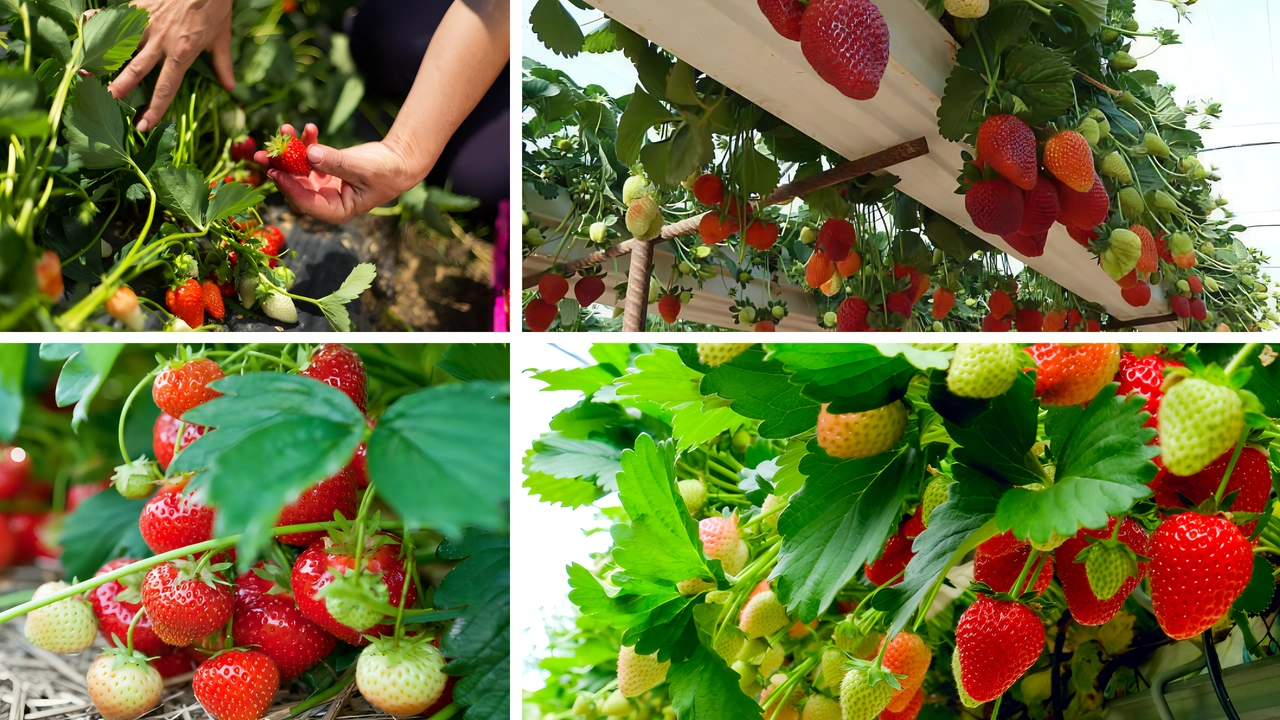
If you’re dreaming of picking juicy, red strawberries straight from your garden, you’re not alone. Learning how to grow and care for strawberries isn’t just rewarding—it’s surprisingly simple once you understand the basics. Whether you’re a beginner gardener or a seasoned green thumb, this complete guide will walk you through every step needed to enjoy sweet, healthy harvests from your strawberry plants. From choosing the right varieties to planting, watering, fertilizing, and protecting them from pests, this article ensures your strawberry-growing journey is fruitful—literally.
Choosing the Right Strawberry Variety to Grow and Care For
Before you can grow and care for strawberries successfully, it’s important to pick the right type. Strawberries come in three main varieties: June-bearing, everbearing, and day-neutral.
- June-bearing strawberries produce one large crop in early summer. They’re perfect if you’re aiming for a big harvest at once, ideal for jam or freezing.
- Everbearing types provide two to three harvests—one in spring, another in summer, and sometimes again in fall.
- Day-neutral strawberries offer small, steady harvests all season long and are excellent for fresh eating.
Understanding these types will help you grow and care for strawberries based on your climate, space, and harvesting preferences.
Best Time and Place to Grow and Care for Strawberries
The timing and location are crucial if you want to grow and care for strawberries effectively. Plant strawberries in early spring, once the danger of frost has passed. This allows them to establish roots before the summer heat.
Choose a sunny spot—at least 6-8 hours of direct sunlight per day is essential for healthy growth and sweet fruit. Strawberries love well-drained, slightly acidic soil with a pH between 5.5 and 6.8. Avoid areas where tomatoes, peppers, or eggplants were grown the previous season, as these can carry diseases that affect strawberries.
Use raised beds or containers if your soil tends to be heavy or poorly drained. By selecting the right time and location, you’re already taking the right steps to grow and care for strawberries efficiently.
Preparing the Soil to Grow and Care for Strawberries
Healthy soil is the foundation when learning how to grow and care for strawberries. Start by removing all weeds and debris from your planting area. Loosen the soil to a depth of 12 inches and mix in organic compost or aged manure to improve nutrient content and drainage.
Here’s a quick soil prep checklist:
- Test your soil pH (ideal: 5.5 to 6.8)
- Mix in compost or rotted manure
- Add a balanced, slow-release fertilizer
- Ensure proper drainage
Strawberries are shallow-rooted, so keeping the soil loose and well-aerated is crucial. Healthy soil ensures your efforts to grow and care for strawberries will lead to thriving plants and delicious fruit.
Planting Techniques to Grow and Care for Strawberries
Now comes the exciting part—planting! When you grow and care for strawberries, spacing is key to prevent overcrowding and disease.
Follow these basic planting guidelines:

| Plant Type | Row Spacing | Plant Spacing | Notes |
|---|---|---|---|
| June-bearing | 36–48 inches | 18–24 inches | Runners should fill the rows |
| Everbearing | 12–18 inches | 12 inches | Fewer runners, more vertical space |
| Day-neutral | 12–18 inches | 10–12 inches | Compact, good for containers |
Plant strawberries with the crown at soil level—not too deep or too shallow. Water immediately after planting and mulch around the plants to conserve moisture and suppress weeds. Correct planting methods are a big part of how to grow and care for strawberries effectively.
Watering and Fertilizing to Grow and Care for Strawberries
Consistent watering is essential when you grow and care for strawberries. Strawberries need about 1 to 1.5 inches of water per week, especially during flowering and fruiting. Drip irrigation or soaker hoses work best to keep water off the leaves and reduce fungal diseases.
When it comes to fertilizing, feed your strawberry plants:
- When planting
- After the first harvest (for June-bearers)
- Every 4–6 weeks during the growing season (for everbearing and day-neutral)
Use a balanced 10-10-10 fertilizer or one specifically formulated for berries. Over-fertilizing can lead to lush leaves and fewer fruits, so follow instructions carefully.
Knowing how to grow and care for strawberries includes understanding when and how to nourish them for optimum sweetness and yield.
How to Grow and Care for Strawberries with Mulching and Weeding
Mulching is one of the best strategies to grow and care for strawberries the natural way. Straw mulch (hence the name “straw-berries”) helps retain moisture, keeps fruits clean, and suppresses weed growth.
Ideal mulching materials include:
- Straw (without weed seeds)
- Pine needles
- Black plastic or landscape fabric (in colder regions)
Apply mulch after planting and replenish it throughout the growing season. Keep the mulch around—but not touching—the crowns of the plants to prevent rot.
Weed regularly by hand to avoid disturbing the shallow roots. Staying on top of weeds and mulch maintenance is a key part of learning how to grow and care for strawberries the right way.
Protecting Your Crop: Pest and Disease Control When You Grow and Care for Strawberries
While strawberries are delicious to us, they’re also tempting to pests and susceptible to diseases. Knowing how to grow and care for strawberries includes being proactive about protection.
Common pests:
- Slugs and snails
- Aphids
- Spider mites
- Birds (use netting or scare tactics)
Diseases to watch out for:
- Gray mold (Botrytis)
- Powdery mildew
- Verticillium wilt
Tips for healthy plants:
- Space plants properly for airflow
- Water at the base to keep leaves dry
- Remove any rotting fruit immediately
- Use disease-resistant varieties if possible
By following these preventative steps, you ensure a safer path to grow and care for strawberries without major losses.
Harvesting and Maintaining Plants for Continuous Growth
Harvest time is when all your efforts to grow and care for strawberries finally pay off. Pick berries when they are fully red and ripe—they don’t continue to ripen once picked.
Check your plants daily during peak season. Use clean scissors or gently twist the berry off, keeping the green cap attached. This helps the fruit last longer after picking.
Post-harvest care includes:
- Removing old leaves and spent fruit
- Feeding June-bearing varieties to encourage next year’s growth
- Trimming runners if you want to control plant size
- Replacing plants every 3–4 years for best productivity
Proper post-harvest care keeps your patch productive, making it easier to grow and care for strawberries for many seasons to come.
Table: Monthly Strawberry Care Calendar
| Month | Task to Grow and Care for Strawberries |
|---|---|
| March–April | Prepare soil, plant new strawberries |
| May | Mulch, water regularly, fertilize |
| June | Harvest (June-bearers), monitor pests |
| July | Fertilize, remove spent plants and runners |
| August | Continue watering, prep for fall |
| September | Apply compost or mulch, reduce watering |
| October | Winterize (especially in cold climates) |
| November–Feb | Minimal activity, protect crowns with mulch |
Conclusion: Mastering How to Grow and Care for Strawberries
Whether you’re planting strawberries in a garden bed, container, or hanging basket, knowing how to grow and care for strawberries is your secret to enjoying sweet, healthy harvests season after season. By selecting the right variety, preparing soil thoughtfully, planting with care, and maintaining proper watering, feeding, and protection routines, you create the perfect conditions for abundant fruit.
This guide has given you every essential step to grow and care for strawberries, from the first dig to the last bite. With patience and attention, your strawberry patch will become a source of pride and joy—and best of all, delicious rewards. Happy growing!